
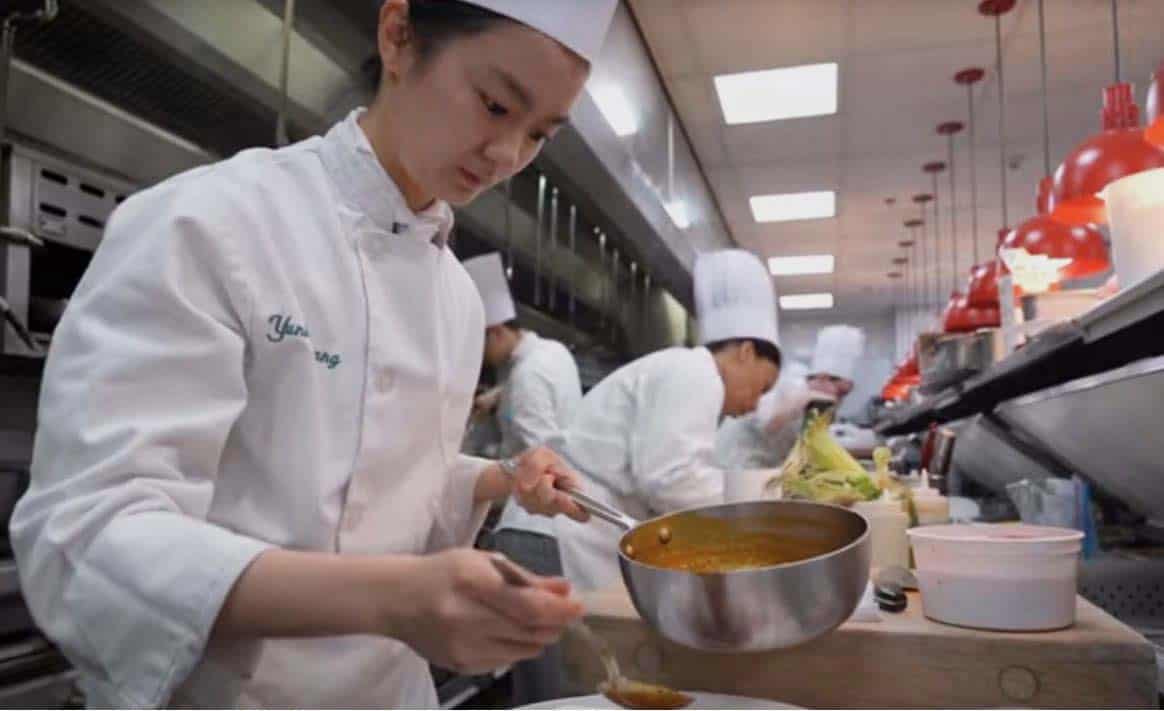
The role of a chef transcends the simple act of preparing food; it is a profound blend of artistry, leadership, technical skill, and cultural narration. A chef is both a creator and a conductor in the kitchen, harmonizing flavors, techniques, and human energy to compose dining experiences that nourish the body and inspire the soul. This article offers an insightful and distinctive exploration into the multifaceted profession of the chef, detailing their essential skills, evolving duties, creative spirit, and their enduring influence on gastronomy and society.
The Modern Chef: More Than a Culinary Expert
A chef’s realm extends far beyond culinary execution. Today’s chef is:
-
An innovator, who reinterprets tradition with contemporary creativity, pushing the boundaries of flavor and presentation.
-
A leader, skillfully managing kitchen teams, fostering collaboration, and cultivating excellence.
-
A storyteller, using food to convey cultural identity, personal passion, and seasonal narratives.
-
An educator, engaging diners with food knowledge, inspiring appreciation and curiosity.
-
An advocate, actively promoting sustainability, ethical sourcing, and inclusivity in an increasingly conscientious culinary landscape.
This broad role demands a combination of technical expertise, emotional intelligence, artistic vision, and business savvy.
Core Skills and Qualities Defining Exceptional Chefs
To excel, chefs must master a repertoire that blends hands-on skills with vital personal attributes:
-
Technical Culinary Mastery: Proficiency in diverse cooking methods, flavor profiling, seasoning precision, and artistic plating to deliver consistent quality.
-
Creative Vision and Adaptability: Willingness to experiment with ingredients, reinterpret classics, and embrace emerging trends fuels culinary innovation.
-
Inspirational Leadership and Communication: Building strong team dynamics through clear communication, motivation, and empathy strengthens kitchen cohesion.
-
Impeccable Attention to Detail: From ingredient selection and food safety to timing and aesthetics, every detail contributes to excellence.
-
Resilience and Physical Stamina: Thriving amid fast-paced, high-pressure environments requires enduring energy and emotional calm.
-
Business Acumen: Understanding budgeting, supplier relations, inventory, and guest expectations balances creativity with pragmatic management.
-
Cultural Awareness: Embracing global cuisines and diverse dietary preferences broadens culinary perspective and inclusivity.
The Pathway: From Apprentice to Executive Chef
The chef’s journey is a progression of learning, refinement, and leadership:
-
Foundational Experience: Many start in kitchen roles such as apprenticeships or line cooks, gaining hands-on skills, discipline, and operational insight.
-
Formal Culinary Education: Schools provide theoretical grounding, scientific knowledge, and exposure to diverse culinary traditions.
-
Specialization: Chefs often focus on techniques like pastry, butchery, or specific cuisines, defining their culinary voice.
-
Leadership Advancement: Rising to sous chef and executive chef roles entails expanding creative influence and managerial responsibility.
-
Continuous Growth: Staying current means embracing new culinary trends, sustainable practices, and technological advancements.
Expanded Roles and Responsibilities of Today’s Chefs
The modern chef embraces multifaceted roles, contributing holistically to the dining experience:
-
Menu Development: Crafting menus that balance seasonality, guest preferences, innovation, and nutritional considerations.
-
Quality Assurance: Overseeing ingredient procurement, food safety, and kitchen consistency to uphold standards.
-
Team Mentoring and Management: Recruiting, training, scheduling, and inspiring staff to build cohesive and motivated brigades.
-
Guest Engagement: Sharing the narrative behind dishes and customizing experiences to deepen connection.
-
Sustainability Leadership: Implementing ethical sourcing, waste reduction, and eco-conscious kitchen practices.
The Art of Culinary Presentation
Food is both sustenance and visual poetry. A chef’s artistry shines through the thoughtful composition of each plate. Through balanced colors, textures, shapes, and garnishes, dishes become multisensory stories, heightening anticipation and enriching the dining journey. Details like edible flowers, sculpted sauces, and layered elements evoke emotion long before the first bite.
Navigating Challenges: Resilience and Strategy
Chefs confront demanding challenges as they balance creativity with practicality:
-
High-Pressure Environments: Maintaining composure, clear communication, and teamwork amidst intense kitchen rhythms is vital.
-
Physical Demands: Managing fatigue and prioritizing health through ergonomic practices sustains long-term careers.
-
Consistency and Quality Control: Standardizing recipes, training, and quality checks ensure repeatable excellence.
-
Trend Responsiveness: Adapting to changing dietary trends, ingredient innovations, and sustainability goals sustains competitiveness.
-
Financial Stewardship: Negotiating suppliers and managing costs while maintaining quality requires strategic oversight.
The most successful chefs marry discipline with creativity and compassion, navigating these pressures with grace.
Guidance for Aspiring Chefs
-
Commit to comprehensive culinary training alongside varied practical kitchen experiences.
-
Cultivate patience, openness to feedback, and a mindset of continual learning.
-
Develop leadership and communication skills as diligently as culinary techniques.
-
Explore global cuisines and evolving nutritional science to broaden creative horizons.
-
Prioritize mental and physical well-being for sustainable excellence.
-
Build mentorships and industry networks to foster growth and support.
The Chef as Cultural Ambassador and Innovator
Chefs serve as custodians and pioneers of culinary heritage, preserving traditions while advancing new food narratives. Many leverage their platform to advocate for social causes such as food equity, education, and environmental responsibility. Through their inventive craft and leadership, chefs contribute meaningfully to cultural conversations beyond the kitchen.
Conclusion: The Chef as Visionary Creator and Leader
Chefs embody the fusion of technical mastery, artistic innovation, inspiring leadership, and cultural storytelling. They elevate cooking into an expressive art that nourishes bodies and connects communities. Driven by passion and guided by discipline, chefs shape not only the plates before diners but also the broader social fabric surrounding food.
The chef’s journey holds infinite opportunity to inspire, innovate, and impact—each dish a testament to the enduring magic and transformative power of culinary artistry.