close

Bar & Wine

Bar & Wine

Bar & Wine: A Complete Guide to Culture, Craft, and Experience

The world of bar & wine is more than just drinks in glasses—it’s a blend of history, craftsmanship, social culture, and evolving tastes. From neighborhood wine bars to upscale cocktail lounges, bars centered on wine and spirits play a major role in how people relax, celebrate, and connect. This guide explores what defines bar and wine culture, how it has evolved, and what makes a great experience stand out.

Understanding Bar & Wine Culture

At its core, bar & wine culture revolves around hospitality and shared experiences. While traditional bars focus on spirits, beer, and cocktails, wine bars emphasize curated wine selections, tasting experiences, and food pairings. Many modern venues blend both concepts, offering the best of each world.

What Defines a Wine-Focused Bar?

A wine-focused bar typically features:

  • A curated wine list with regional or thematic selections

  • Knowledgeable staff trained in wine service and tasting notes

  • Small plates or menus designed for wine pairing

  • A relaxed, intimate atmosphere encouraging conversation

These spaces appeal to both casual drinkers and serious wine enthusiasts.

The Evolution of Bars and Wine Spaces

Bars and wine venues have changed significantly over time. What once centered on simple consumption now prioritizes experience, education, and quality.

Key Shifts in the Industry

  • From quantity to quality: Fewer drinks, better ingredients

  • Rise of boutique wines: Small producers and natural wines gaining popularity

  • Experience-driven design: Ambience, lighting, and music matter more than ever

  • Education-focused service: Tastings, wine flights, and staff storytelling

This evolution reflects changing consumer preferences toward authenticity and craftsmanship.

Wine Selection: What Makes a Great List

A strong wine program balances variety, accessibility, and depth. The goal isn’t just to impress—it’s to guide guests toward wines they’ll genuinely enjoy.

Elements of a Well-Built Wine List

  • Diverse regions: Old World and New World wines

  • Range of styles: Red, white, rosé, sparkling, and dessert wines

  • Multiple price points: Options for casual visits and special occasions

  • Clear descriptions: Flavor profiles instead of technical jargon

Well-designed lists help guests feel confident, not overwhelmed.

The Role of Bars in Modern Social Life

Bars—especially wine-centric ones—play a unique role in social settings. They act as meeting points, celebration spaces, and even informal networking hubs.

Why People Choose Wine Bars

  • Quieter environments compared to nightclubs

  • Ideal settings for dates, small gatherings, and business chats

  • A sense of sophistication without being intimidating

  • Opportunities to discover new wines in a guided way

This balance makes wine bars appealing across age groups and lifestyles.

Pairing Wine with Food in Bar Settings

Food and wine pairing isn’t just for fine dining. In bar environments, it’s about enhancing flavors without overcomplicating the experience.

Common Pairing Principles

  • Acidity cuts richness: Great with cheeses and creamy dishes

  • Sweet balances spice: Ideal for spicy small plates

  • Tannins love protein: Red wines pair well with meats

  • Light with light: Delicate wines work best with subtle flavors

Even simple pairings can elevate the overall experience when done thoughtfully.

Atmosphere and Design in Bar & Wine Spaces

Design plays a critical role in how guests perceive a bar or wine venue. A well-designed space encourages people to stay longer and return often.

Popular Design Elements

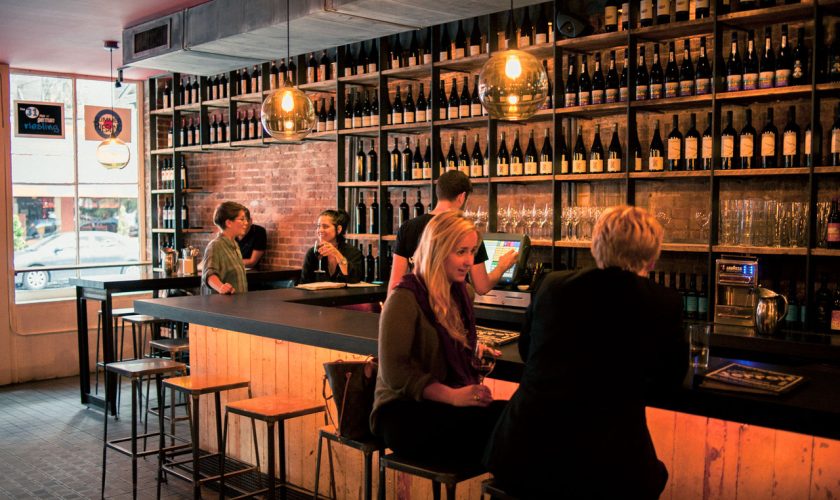
  • Warm lighting and natural materials

  • Visible wine displays or cellars

  • Comfortable seating arrangements

  • Open bars that invite interaction with staff

The goal is comfort, not formality—inviting rather than exclusive.

Responsible Enjoyment and Wine Education

Modern bar & wine culture also emphasizes responsible consumption. Education helps guests appreciate flavors, origins, and techniques without excess.

How Wine Education Adds Value

  • Encourages mindful drinking

  • Builds appreciation for craftsmanship

  • Helps guests make informed choices

  • Enhances long-term loyalty to venues

Knowledge turns a drink into an experience.

FAQs About Bar & Wine

1. What is the difference between a wine bar and a regular bar?

A wine bar focuses primarily on wine selection and pairing, while regular bars emphasize cocktails, beer, and spirits.

2. Do wine bars only serve expensive wines?

No. Most wine bars offer a range of price points, including affordable glasses and flights for casual drinkers.

3. What should beginners order at a wine bar?

Beginners can start with wine flights or ask staff for recommendations based on flavor preferences.

4. Is food necessary when drinking wine at a bar?

Food isn’t required, but small plates enhance flavor and balance alcohol absorption.

5. Are wine bars suitable for social gatherings?

Yes. Wine bars are ideal for dates, small group meetups, and relaxed professional conversations.

6. How do bars store wine properly?

Quality bars use temperature-controlled storage, proper humidity, and minimal light exposure.

7. Can bars help customers learn about wine?

Absolutely. Many offer tastings, guided recommendations, and educational events to build wine knowledge.
read more
Bar & Wine

The Harmony of Bar & Wine: Crafting Refined Experiences of Taste, Culture, and Connection

Bars and wine together create an elevated realm where sensory pleasure meets cultural tradition and social communion. More than just providers of drinks, bars serve as curated environments for celebration, relaxation, and discovery, while wine embodies centuries of artistry and nature’s complexity in every bottle. The combined experience of Bar & Wine unfolds as an elegant dance of craftsmanship, storytelling, and refined hospitality. This article delves into the multifaceted world of Bar & Wine, unveiling the essential components, evolving trends, and how these elements contribute to timeless moments of taste and togetherness.

Defining the Bar & Wine Experience: Beyond Refreshment

A bar is not merely a place to consume beverages; it is a thoughtfully crafted social space that encourages dialogue, enjoyment, and exploration. Wine, with a legacy spanning millennia, encapsulates terroir, skill, and tradition, offering an intricate symphony of flavors and aromas. When paired in a convivial setting, Bar & Wine becomes a cultural celebration, inviting guests into rich sensory journeys and shared experiences.

The modern bar culture thrives on balancing ambiance, hospitality, and beverage excellence, making it accessible yet sophisticated. Wine, in particular, educates and inspires through tastings, pairings, and narratives that connect drinkers to places and stories often far from their fingertips.

Pillars of a Distinctive Bar & Wine Culture

Creating a memorable Bar & Wine experience demands attention to several interconnected elements:

Curated Beverage Selection

  • Eclectic Wine List: A comprehensive and balanced wine list features a spectrum of reds, whites, sparkling wines, rosés, and fortified varieties from diverse global regions, catering to varied palates and occasions.

  • Innovative Cocktails: Expertly crafted cocktails marry classical mixology with seasonal ingredients, local produce, and innovative flavor combinations, elevating the art of the drink.

  • Informed Staff: Skilled sommeliers and bartenders who understand flavor profiles and pairing principles enrich the guest experience by offering tailored recommendations and engaging stories.

Atmosphere and Ambiance

  • Integrated Design: Harmonious lighting, décor, soundscapes, and comfortable seating orchestrate a sensory environment that enhances the drinking experience.

  • Facilitative Layout: Thoughtful spatial planning encourages both intimate conversations and lively social interaction, creating varied zones within the bar’s landscape.

  • Sensory Details: From the choice of glassware to garnish presentation, meticulous attention maximizes aroma release and visual appeal, deepening guests’ connection with their drinks.

Top-Tier Hospitality

  • Personalized Service: Attentive, courteous, and knowledgeable staff foster welcoming experiences where guests feel appreciated and confident in their choices.

  • Engaging Storytelling: Sharing the origins of wines and cocktails, including insights into vineyards, vintners, bartending inspirations, and production methods, transforms consumption into education and enjoyment.

  • Consistency and Precision: Careful management of serving temperatures, pouring techniques, and glass hygiene reflect a commitment to quality and refinement.

Ethical and Sustainable Practices

  • Responsible Producers: Collaborations with vineyards and distillers emphasizing organic, biodynamic, or sustainable practices resonate with environmentally conscious clientele.

  • Waste Minimization: Adoption of eco-friendly barware, reduction of single-use plastics, and conscientious inventory management underscore a commitment to sustainability.

The Evolving Role of Wine Bars and Contemporary Bars

Wine bars have evolved into cultural hubs that demystify wine and make it approachable to novices while satisfying connoisseurs. They curate selections based on terroir stories, varietal uniqueness, and vintage character, fostering a casual yet elegant atmosphere. Through regular tastings, education sessions, and food pairings, these spaces nurture community and curiosity.

Modern bars extend beyond drink service to offer immersive experiences blending social interaction, culinary artistry, and entertainment, often integrating crafted cocktail programs that reflect local flavors or seasonal inspirations.

The Bar & Wine world continuously adapts, propelled by shifting consumer preferences, lifestyle trends, and technological advances:

  • Natural Wines: The surge in popularity of unfiltered, minimal-intervention wines offers vibrant, often unconventional taste profiles appealing to adventurous palates.

  • Inclusive Beverages: Low-alcohol and sophisticated non-alcoholic options address wellness trends, broadening guest inclusivity without sacrificing complexity or style.

  • Seasonal Cocktails: Menus tailored to seasonality and local ingredients maintain freshness and authenticity while fostering creative mixology.

  • Digital Enhancements: QR-code wine lists, app-based ordering, virtual tastings, and digital storytelling enhance access, interaction, and marketing reach.

  • Sustainability as a Core Value: Increasing focus on regenerative agriculture, carbon footprint reduction, and transparent sourcing elevates environmental responsibility as a business norm.

The Art of Pairing: Elevating the Culinary Experience

Wine pairing represents an essential facet of the Bar & Wine relationship, deepening the dining experience by creating harmonious flavor dialogues. Sommeliers and bartenders orchestrate pairing strategies balancing acidity, tannin levels, sweetness, and texture alongside culinary components. Thoughtful pairing enhances both the food and beverage, inviting guests into a multisensory celebration where each element complements the other.

Crafting an Unforgettable Bar & Wine Experience

Delivering excellence requires:

  • Ongoing Staff Education: Continuous training in wine knowledge, tasting skills, and guest interaction ensures mastery and confidence among personnel.

  • Balanced Curation: Combining accessible crowd-pleasers with unique, rare selections invites exploration while satisfying diverse tastes.

  • Ambience and Efficiency: Elegant yet functional bar designs foster lively social scenes while enhancing operational flow.

  • Story-Driven Engagement: Emphasizing provenance, production tales, and cultural contexts enriches the guest journey.

  • Rigorous Quality Control: Maintaining optimal conditions for wine storage, serving temperatures, and glass cleanliness safeguards integrity and pleasure.

Conclusion: Bar & Wine as an Enduring Celebration of Craft, Culture, and Connection

Bar and wine culture encapsulate more than drinks—they celebrate heritage, creativity, community, and shared experience. Through expert selection, storytelling, and refined hospitality, they elevate simple consumption into meaningful occasions that resonate emotionally and sensorially.

From enjoying a delicate glass of Chardonnay in a chic city venue to savoring a bespoke cocktail crafted with seasonal nuances, guests engage with layers of tradition and innovation. By honoring this balance and fostering inclusive enjoyment, bars and wine continue to flourish as timeless spaces where flavor, culture, and conviviality unite to create elegant, memorable celebrations.

read more
Bar & Wine

The Art of the Bar & Wine: Crafting Elegance, Experience, and Connection

Bars and wine are more than mere establishments and beverages—they embody a refined culture of taste, social interaction, and sensory delight. Together, they form a world where artistry meets conviviality, where every glass poured and every cocktail crafted tells a story steeped in tradition, innovation, and celebration. Whether nestled in sophisticated urban lounges or flourishing within rustic vineyard cellars, the bar and wine experience is an ongoing journey of craftsmanship, discovery, and connection. This article presents a unique and well-structured exploration of the world of bar and wine culture, highlighting their history, essential elements, evolving trends, and the refined artistry that elevates them beyond the ordinary.

Defining the Bar & Wine Experience: More Than Just Drinks

At its essence, a bar is a social sanctuary, a curated environment where people gather to unwind, celebrate, and savor expertly prepared drinks. Similarly, wine—rooted in centuries of tradition—offers a complex sensory journey that speaks of terroir, craft, and nuanced flavors. When combined thoughtfully, bar and wine culture create immersive experiences that appeal to taste, aesthetics, and social connection.

A modern bar balances atmosphere, hospitality, and beverage mastery, fostering spaces that invite dialogue, discovery, and delight. Meanwhile, wine culture educates and inspires, offering endless opportunities for tasting, pairing, and storytelling.

The Pillars of an Exceptional Bar & Wine Culture

Creating memorable experiences in the bar and wine world relies on several interwoven facets:

1. Expertly Curated Beverage Selection

  • Diverse Wine Varietals: A thoughtful wine list includes reds, whites, rosés, sparkling wines, and fortified selections representing a spectrum of global regions and styles that cater to diverse palates.

  • Cocktail Innovation: Craft cocktails blend classical techniques with contemporary creativity, utilizing high-quality spirits, fresh ingredients, and balanced flavor profiles.

  • Beverage Education: Knowledgeable staff who can suggest wine pairings or craft drinks tailored to guests’ tastes enhance engagement and satisfaction.

2. Ambiance and Atmosphere

  • Aesthetic Harmony: Lighting, décor, music, and seating must converge to create inviting, comfortable spaces that complement the drinking experience.

  • Social Flow: Layouts encourage conversation and movement, balancing intimate corners with lively social hubs.

  • Sensory Immersion: Attention to the tactile, olfactory, and visual elements— from glassware choice to the presentation of wine and cocktails—amplifies enjoyment.

3. Skilled Hospitality

  • Professional Service: Courteous, informed, and intuitive bartenders and sommeliers foster personal connections, making guests feel valued and guiding them through selections with ease.

  • Storytelling and Engagement: Sharing the provenance of wines, the history of cocktails, or the philosophy of the bar enriches the experience through meaningful narratives.

  • Attention to Detail: Every element, from temperature control to glass cleanliness, reflects dedication to quality.

4. Sustainable and Ethical Practices

  • Responsible Sourcing: Partnering with vineyards and spirit producers who emphasize sustainable, organic, or biodynamic practices aligns with growing consumer consciousness.

  • Waste Reduction: Incorporating eco-friendly barware and minimizing single-use plastics contributes to environmental stewardship.

The Evolving Role of Bars in Wine Appreciation

Bars have transcended the role of simple drink providers to become destinations for wine education, tasting, and cultural exploration. Wine bars especially focus on curating selections that tell stories of place and artisanry. They blend casual elegance with expertise, making wine accessible and engaging for novices and enthusiasts alike.

By hosting tasting events, pairing dinners, and interactive workshops, bars foster community and curiosity, inviting guests to explore new grape varieties, regions, and vintages in intimate settings.

The contemporary bar and wine culture continuously adapts through innovation and responsiveness to lifestyle shifts:

  • Natural and Orange Wines: Growing interest in minimally processed, naturally fermented wines offers vibrant, often unexpected flavor experiences.

  • Low-ABV and Non-Alcoholic Options: Expanding inclusive choices responds to wellness trends without sacrificing sophistication or taste.

  • Signature and Seasonal Cocktails: Embracing seasonal ingredients and themed menus keeps offerings fresh, engaging, and reflective of local terroir.

  • Technology Integration: Digital menus, app-based ordering, and virtual wine tastings leverage convenience and broaden audience reach.

  • Sustainable Practices: A push towards regenerative agriculture, reduced carbon footprints, and ethical sourcing informs selections and operational decisions.

The Art of Pairing: Enhancing Culinary and Wine Synergy

One of the most celebrated aspects of wine culture is pairing—it is an art that enhances flavors and elevates dining. Skilled sommeliers and bartenders create harmonious relationships between dishes and beverages, highlighting complementary textures, aromas, and intensities.

Understanding basic pairing principles—such as matching acidity with richness or tannins with fat—invites guests to deeper appreciation and experimentation, turning meals into integrated multisensory experiences.

Crafting the Ultimate Bar & Wine Experience

Delivering excellence in a bar environment centered on wine requires commitment to detail and passion:

  • Invest in Staff Training: Continuous education equips bartenders and sommeliers with the skills to guide, educate, and surprise guests.

  • Curate Thoughtfully: Balance popular favorites with unique discoveries, ensuring accessibility while fostering exploration.

  • Design Functional Elegance: Thoughtful bar layouts facilitate both efficient service and social interaction, enriching atmosphere.

  • Engage with Story: Imbue offerings with the narrative of origin, process, and culture, creating memorable guest journeys.

  • Maintain Quality: Control storage, serving temperatures, and glassware to preserve and showcase wine’s nuances and cocktail craftsmanship.

Conclusion: Bar & Wine as Celebrations of Culture, Craft, and Community

The world of bar and wine extends beyond drinks—it is a refined celebration of heritage, innovation, and shared human connection. Through masterful selection, artful service, and immersive storytelling, bars elevate the simple act of drinking into an elegant social ritual.

Whether savoring a glass of well-aged Bordeaux in a cozy wine bar or enjoying a bespoke cocktail crafted with seasonal ingredients, guests find in bar and wine culture a unique convergence of taste, knowledge, and conviviality. By embracing tradition while inviting experimentation, bars and wine continue to evolve as cherished spaces where flavor, culture, and community unite in timeless harmony.

read more
Bar & Wine

Picking The Right Wine Cooler

Genuine wine authorities and gatherers just as the people who incline toward an intermittent glass of wine, require a wine cooler to protect and burn-through their wines at an ideal temperature. Wine coolers are essentially apparatuses used to cool and store wines at assigned temperatures. The kind of cooler relies upon the necessity of the buyer. Directly from table top units to enormous fridge style units, wine coolers are accessible to suit everybody’s requirements. Table top units are helpful for homegrown use while bigger units are utilized in bars and eateries. Wine coolers are generally made of neoprene, vinyl, twofold walled glass, plastic or any material equipped for protection. Two sorts of cooling frameworks are utilized: thermoelectric or blower and coolant frameworks.

Wine requires a particular serving temperature to taste great. This machine temperature can be changed by the kind of wine to be served. White wines taste best when served between 16 to 20 degrees Celsius, though 21 degrees Celsius is the ideal temperature for red wines. Other than this, wine coolers keep up with mugginess levels of around 80% which is most appropriate for wines. A wine cooler is a superior decision to store and chill your wine rather than a typical ice chest where the temperature can’t be chosen exactly. Solid scents from different eatables might dirty the fragile kind of the wine. Volume, number of racks, energy productivity, and commotion factor, computerized or electronic controls are a portion of the variables to be considered prior to choosing a cooler. Coolers with added highlights like glass entryways and light are famous. Colored glass entryways shield the wine from abundance light. A Drove bulb is utilized in a cooler to forestall expansion in inside temperature.

Other than looking great, the cooler should keep up with consistent temperature and moistness for ideal putting away. With the most recent headway in innovation, coolers with scanner tag perusing offices are accessible. Coolers with a few chambers each with individual temperature controls help in putting away various types of wines in a similar unit simultaneously. Slide-out racks help in eliminating bottles easily. Containers are set on a level plane in the racks which are normally intended to oblige the state of the jugs.

Harmless to the ecosystem sans freon coolers are currently accessible on the lookout. Vibration of the cooler can disrupt the residue of the wine, changing the character. A thermoelectric cooling framework guarantees least vibration. Wine-coolers are utilized for putting away and maturing vintage wines like Chardonnay and Merlot under ideal conditions. Wine-chillers with locking offices guarantee security and forestall abuse by minors.

read more
Bar & Wine

Picking The Right Sort Of Wine Glass

Lager, rum, gin, scotch, tequila, wine and various varieties and blends of those are cocktails that a many individuals appreciate drinking. Drinking brew is normally through to jug or utilizing lager mugs and standard or plastic cups. For mixed drink blends of vodka, rum and gin, a stemmed glass with a cone-shape bowl is the ideal kind of compartment. Tequila and other more grounded mixers are brought down utilizing a shot glass. On one hand, wines are unmistakably served utilizing a few sorts of glasses relying upon kind of wine accessible. White wines like Savignon Blanc and Chardonnay have an alternate kind of glass from the reds like Merlot, Pinot Noir and Cabernet Sauvignon.

Stemmed Wineglass

The wineglasses accompany stems. Wines are for the most part served chilled and they taste better with a cooler temperature. Holding the cool temperature of the beverage is significant. The chilled temperature of the beverage will be decreased in the event that you hold it by the bowl. The quality and taste will be decreased also. Holding it by the stem is the right way.

Wide/Restricted Bowl

A round spinning movement is finished by some when drinking their red wine. This technique is to let the fragrance and flavor escape from the holder. There are individuals who appreciate smelling the rich pith and fragrance of the beverage in the wake of spinning. Wide-mouth glass is great for red wines with solid and complex flavors. When presented to air, the fluid goes through quick oxidation which is the cycle that assists smooth with trip the solid flavors.

To accomplish the best preference for white wines, a restricted bowl is appropriate on the grounds that whites are lighter and requires only a lower pace of oxidation. To forestall significant degree of oxidation and hold the new and fresh character, you ought to pick a restricted bowl.

The visual allure of the glasses adds to the modern and extravagant method of drinking. Other than visual allure, wineglasses fill in as fundamental instruments to guarantee the quality, taste and by and large worth of the wine. Regardless of whether it’s a Sauv Blanc, Merlot, Hardys, Cabernet, Chardonnay or some other sort or brand, the right glass makes an enormous difference.This straightforward way can make the entire experience more extravagant and more pleasant.

read more
Bar & Wine

Bar Cupboards: Style, Class, And Excellence

Cupboards add an uncommon vibe to practically any room. Contingent upon the bureau, you can get usefulness or magnificence; those fortunate few get an excellent combination of both. Not all cupboards are made similarly as any individual who has perused for a bureau or two can tell you. Picking the right bureau for your necessities is regularly loaded up with bunches of potholes and knocks. Having the information to track down that ideal bureau isn’t effectively instructed; it isn’t effortlessly scholarly. A ton of bureau picks are simply a question of decision.

Some bar cupboards are shortsighted sort cupboards that can be utilized for some other reason. For example, a typical bureau for us in one more piece of your home might be changed over to a bar bureau. Nonetheless, there are some stunning bar cupboards that request our consideration. These strength cupboards were made for that unique region in our home that we call a home bar.

One sort of well known bar bureau really has a little refrigerating unit in the bureau. This is extraordinary for putting away things that need cooled like whipping cream, cherries, and other such ornamentations. There are some bar cupboards that have uncommon compartments that hold wine and keep it chilled at the appropriate holy messenger as to not upset the dregs.

Obviously, bar cupboards that store and ensure wine bottles don’t really need to be cooled. There are various well known models of wine cupboards that are not cooled; certain individuals accept a wine ought not be put away in a cooling gadget – they trust it ruins the maturing system. Accordingly, you can get both a dry wine bureau and a cool wine bureau. In some cases, it might demonstrate better to have both. You can eliminate the wine from the dry bureau a couple of hours before you need to serve it and spot it in the cooler for cooling.

The plans of these are lavish and various. Now and again, they hold just wine glasses or mugs; at times they just hold wine; some of the time they hold a blend. I favor bar cupboards that have those holders so those wine glasses can be put away topsy turvy, suspended from the highest point of the bureau; then, at that point, in the compartment there is space for wine to be put away. On top of the bureau, my ideal bar cupboards would have a rack utilized for putting away my forte alcohol containers and shot glasses. The top would have space for blending drinks. Obviously, the entire think would be brightening and delightful. I like ivy embellishments.

Bar cupboards will in general be expensive the more you expect of your bureau; the sort of material utilized is likewise reflected in the cost. Nonetheless, a decent bar bureau will endure forever of utilization and make recollections that will last ages. Thusly, while picking a bureau for an expected bar, ask yourself this: can you not stand to get the best bar bureau available today? When you mull over this inquiry, then, at that point, you are all set shopping.

read more