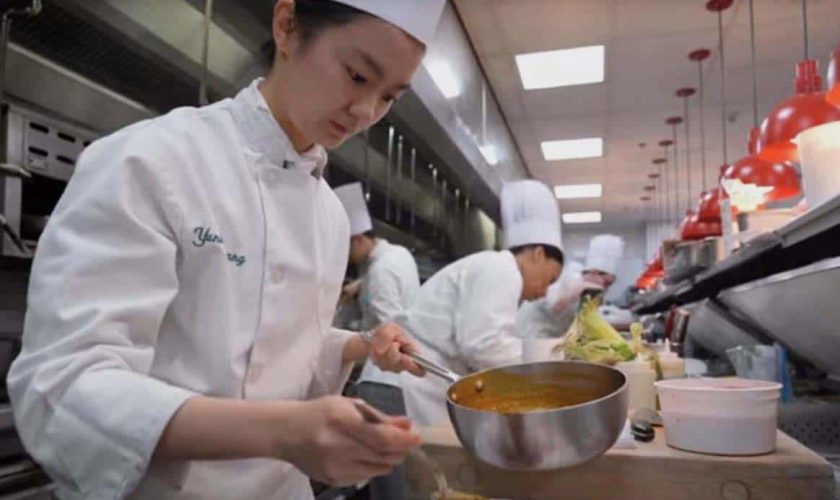
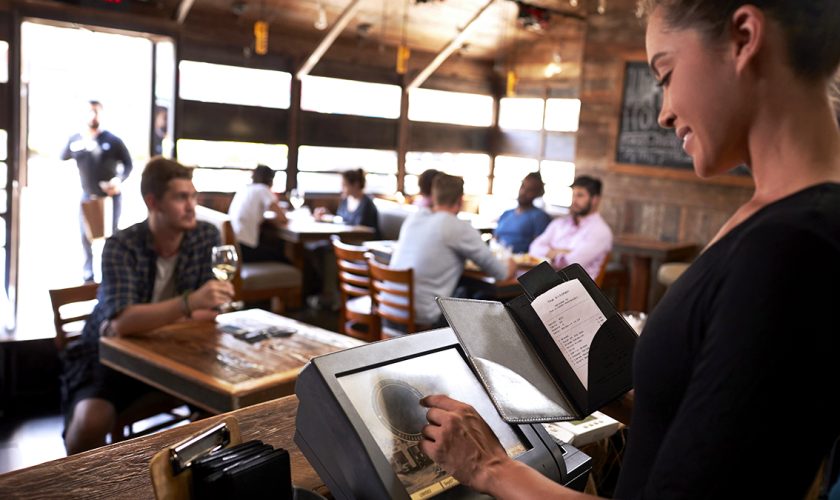
close

July 2025

Restaurant

The Restaurant Experience: Where Culinary Art Meets Cultural Connection

Restaurants are much more than establishments serving food—they are vibrant cultural arenas where gastronomy, hospitality, and social interaction intertwine to create lasting experiences. Every detail, from the menu’s conception to the ambiance and service rhythm, contributes to an immersive journey that nourishes both body and soul. This article offers a unique and thoughtful exploration of what defines a remarkable restaurant, highlighting its core components, diverse formats, evolving trends, and enduring role in our communal lives.

Defining the Restaurant: Beyond the Plate

At its simplest, a restaurant is a business that prepares and serves meals to customers. Yet, truly exceptional restaurants transcend this basic function by crafting multidimensional experiences. They orchestrate a symphony where taste, sight, sound, and feeling align, from the artistry of the cuisine to the warmth of genuine hospitality.

Restaurants vary widely—from small neighborhood eateries to luxurious fine dining establishments—each conveying unique culinary philosophies and cultural narratives. Regardless of their scale or style, successful restaurants transform dining from a mere act into a meaningful ritual, inviting guests into moments of enjoyment, connection, and discovery.

Key Pillars of Restaurant Excellence

Ensuring a restaurant thrives requires mastery across several essential dimensions:

Culinary Innovation and Quality

  • Thoughtful Menu Curation: Exceptional restaurants blend creativity with familiarity, crafting menus that celebrate seasonal, local, and sustainably sourced ingredients.

  • Consistency in Execution: Meticulous kitchen practices and continuous training ensure every dish meets high standards across all services.

  • Inclusivity and Dietary Consideration: Expanding offerings to include vegan, gluten-free, and allergen-friendly options broadens accessibility without sacrificing flavor or style.

Hospitality that Resonates

  • Authentic and Attentive Service: Warm, knowledgeable staff foster welcoming atmospheres where guests feel valued and cared for.

  • Seamless Coordination: Harmonious communication between front- and back-of-house teams ensures timely delivery and balanced pacing.

  • Personalized Experiences: Flexibility in accommodating guest preferences and special occasions deepens emotional connection and satisfaction.

Ambiance and Spatial Design

  • Sensory Harmony: Carefully calibrated lighting, sound, décor, and seating contribute to moods that accentuate the food and invite relaxation or celebration.

  • Comfort and Access: Thoughtful ergonomics and inclusive layouts provide welcoming environments for all guests.

  • Consistent Brand Identity: Cohesive visual elements, from menus to uniforms, reinforce the restaurant’s story and ethos.

Operational Mastery

  • Strategic Leadership: Balancing creative vision with pragmatic management fosters sustainable growth and innovation.

  • Compliance and Safety: Commitment to health and safety regulations builds trust and protects guests.

  • Technology Integration: Effective use of digital tools streamlines reservations, inventory, and customer engagement.

Varieties of Restaurant Models

The restaurant landscape offers rich diversity, catering to varied tastes and occasions:

Fine Dining

Celebrated for culinary artistry, elegant service, and refined ambiance, fine dining offers curated multi-course experiences that highlight innovation and sophistication.

Casual and Family-Friendly

These restaurants emphasize comfort and approachability, serving balanced menus suited for everyday dining or celebratory moments alike.

Fast Casual and Quick Service

Catering to busy lifestyles, these models prioritize speed without sacrificing quality, with fast casual often blending convenience with elevated ingredients and ambiance.

Ethnic and Specialty Concepts

Restaurants embracing authentic or fusion cuisines immerse diners in cultural stories through distinctive flavors and design.

Cafés and Bistros

Known for intimate atmospheres and artisanal offerings, these spaces serve as social hubs featuring coffee, light meals, and community connection.

Restaurateurs continuously adapt to evolving culinary landscapes shaped by societal values and technological advances:

  • Sustainability: Emphasis on farm-to-table sourcing, zero waste initiatives, and eco-friendly practices responds to environmental consciousness.

  • Plant-Forward and Dietary Diversity: Including an array of plant-based and allergen-aware dishes reflects wellness trends and ethical eating.

  • Experiential Dining: Open kitchens, chef’s tables, tasting menus, and themed events heighten engagement beyond the plate.

  • Digital Customer Experience: QR menus, online reservations, delivery options, and social media presence enhance convenience and brand reach.

  • Hybrid Service Models: Combining dine-in, takeout, delivery, and meal kits broadens accessibility and reinforces business resilience.

Managing Challenges in Restaurant Operations

Effective restaurant leadership navigates complex challenges to maintain excellence:

  • Consistent Quality: Standardizing recipes, implementing regular training, and monitoring ensure dependable guest experiences.

  • Workforce Development: Investing in staff well-being, skill-building, and career growth reduces turnover and builds team cohesion.

  • Balancing Costs and Value: Strategic sourcing, menu engineering, and operational efficiencies safeguard profitability without compromising guest satisfaction.

  • Market Responsiveness: Staying attuned to food trends, economic shifts, and local competition sustains relevance.

Creating Emotional and Lasting Guest Experiences

Beyond food, memorable restaurants cultivate genuine emotional resonance through:

  • Personalization: Remembering returning guests, accommodating special needs, and celebrating milestones foster loyalty and warmth.

  • Detail-Oriented Execution: Impeccable plating, perfectly timed courses, and subtle ambiance elements convey care and professionalism.

  • Narrative Enrichment: Sharing stories behind dishes, ingredient origins, and culinary philosophies deepens experiential richness.

Restaurants as Cultural and Social Beacons

Restaurants transcend nourishment by serving as cultural touchstones and community pillars. They preserve traditions, foster innovation, and facilitate social exchange. By bringing people together over food, restaurants promote understanding, celebration, and shared humanity essential to vibrant societies.

Conclusion: The Restaurant as a Living Work of Art and Hospitality

A restaurant’s true artistry lies in harmonizing inspired cuisine, heartfelt service, atmospheric design, and operational intelligence into cohesive experiences. This synergy elevates dining from necessity to celebration, crafting memories marked by delightful flavors, meaningful connections, and joyous moments.

For restaurateurs, embracing this holistic perspective enables creation of spaces that resonate beyond meals, nurturing communities and culture. For diners, restaurants remain treasured sanctuaries where taste, ambiance, and hospitality unite—turning everyday meals and special occasions alike into unforgettable journeys of flavor, comfort, and connection.
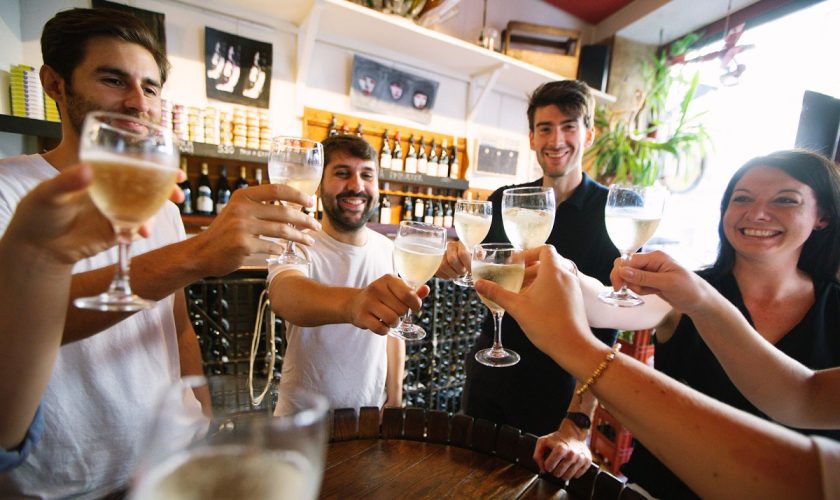
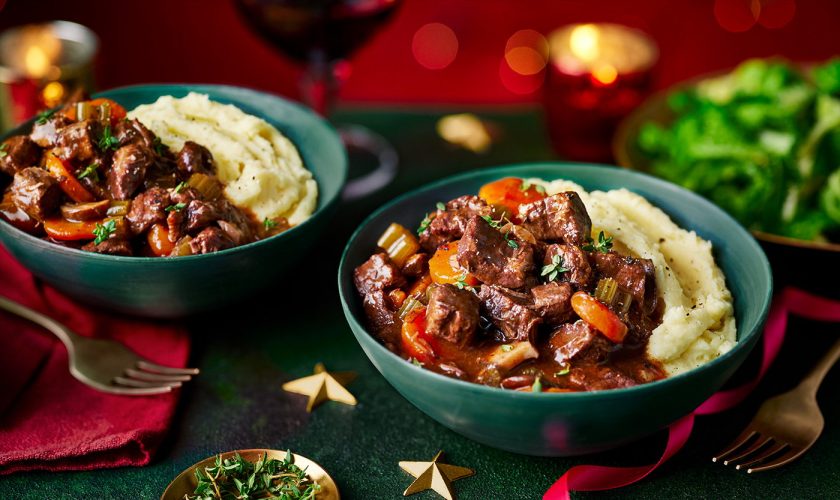
read more
Bakery & Cake

The Elegance of Bar & Wine: Crafting Memorable Experiences of Taste and Culture

The worlds of bar and wine intertwine to create refined spaces where social connection, sensory pleasure, and cultural storytelling come alive. More than just places or drinks, bars and wines embody centuries of tradition, artistry, and innovation. They offer journeys—each glass poured and cocktail crafted invites exploration, celebration, and communal enjoyment. Whether steeped in urban sophistication or nestled in vineyard tranquility, the bar and wine experience is a harmonious blend of craftsmanship, education, and ambiance. This article uncovers the multifaceted world of bar and wine culture, exploring its core principles, evolving trends, and the nuances that elevate it from mere refreshment to an elegant art form.

Defining the Bar & Wine Experience: A Fusion of Craft and Community

A bar is far more than a physical venue; it is a curated environment designed to foster social engagement, relaxation, and discovery through expertly prepared beverages. Wine, with its rich heritage, offers a multi-layered sensory journey—from grape to glass—reflecting terroir, vintage, and the human touch of winemakers. Together, bars and wine bars create immersive experiences that satisfy the palate while nurturing the spirit of conviviality.

Modern bar culture balances ambience, hospitality, and beverage excellence. It draws guests into a world where every sip beckons curiosity and every interaction builds connection. Wine culture, in particular, educates and inspires, inviting patrons to explore diverse varietals, regions, and pairing possibilities.

Pillars of an Exceptional Bar & Wine Culture

Creating a memorable bar and wine experience requires attention to several vital elements:

Expertly Curated Beverage Selection

  • Diverse Wine Offerings: A thoughtfully curated wine list comprises reds, whites, rosés, sparkling wines, and fortified varieties that span global regions and styles, appealing to a broad range of tastes.

  • Craft Cocktail Innovation: Cocktails blend time-honored techniques with modern creativity, employing high-quality spirits, fresh ingredients, and balanced flavor profiles to delight guests.

  • Staff Expertise: Knowledgeable bartenders and sommeliers who guide guests through selections and suggest ideal pairings enhance engagement and deepen enjoyment.

Ambiance and Atmosphere

  • Visual Harmony: Lighting, décor, music, and seating arrangements coalesce to create inviting, comfortable spaces that complement the drinking experience.

  • Social Design: Layouts encourage effortless conversation and flow, balancing intimate nooks with lively social hubs.

  • Sensory Detail: Thoughtful choices—from glassware and garnish presentation to the aroma of ingredients—amplify enjoyment and sensory immersion.

Skilled and Thoughtful Hospitality

  • Personalized Service: Warm, informed bartenders and sommeliers cultivate rapport, making guests feel valued and helping them discover new favorites.

  • Storytelling: Sharing the origins of wines and cocktails or insights about producers enriches the guest experience, weaving narratives that connect people to place and process.

  • Precision: Careful attention to serving temperatures, glass cleanliness, and impeccable timing reflects a dedication to quality.

Sustainability and Ethics

  • Responsible Sourcing: Partnering with vineyards and spirit producers who prioritize organic, biodynamic, or sustainable practices shows environmental stewardship.

  • Waste Reduction: Using eco-friendly barware and minimizing single-use plastics aligns business operations with values important to modern consumers.

The Evolving Role of the Bar in Wine Appreciation

Wine bars have grown as cultural hotspots, transforming wine from an exclusive luxury into a shared, accessible passion. These venues curate selections that tell stories of terroir and craftsmanship in casual, elegant settings. By hosting tastings, pairing dinners, and educational events, wine bars foster community and curiosity, inviting novices and connoisseurs alike to experience the diversity of the grape.

The bar and wine landscape continues to evolve, influenced by changing tastes, lifestyles, and technological advances:

  • Natural and Orange Wines: The rise of minimally processed wines offers vibrant, distinctive flavors, capturing the interest of adventurous drinkers.

  • Low-ABV and Alcohol-Free Options: Expanding wellness trends drive demand for sophisticated beverages with lower or no alcohol content without compromising taste or style.

  • Seasonal and Signature Cocktails: Crafting drinks around seasonal produce and themes sustains freshness and local relevance.

  • Digital Integration: QR-code menus, app-based ordering, digital wine lists, and virtual tastings enhance convenience and broaden outreach.

  • Sustainable Practices: Embracing regenerative agriculture and reducing carbon footprints in selections and operations meet rising consumer expectations.

Pairing Artfully: Elevating Dining Through Wine

Wine pairing is a celebrated skill that deepens culinary experiences. Sommeliers and bartenders craft harmonious matches of food and wine by balancing acidity, tannins, sweetness, and flavor profiles. Successful pairing heightens flavors on both plate and palate, inviting guests to savor meals as fully integrated multisensory journeys.

Creating an Unforgettable Bar & Wine Experience

Delivering excellence in bar and wine service involves deliberate commitment to detail and passion:

  • Continuous Staff Education: Regular training ensures bartenders and sommeliers remain knowledgeable, confident, and able to guide guests effectively.

  • Thoughtful Curation: Balancing popular wines and cocktails with unique, lesser-known options fuels exploration while ensuring broad appeal.

  • Inviting Design: Functional yet elegant bar layouts promote lively interaction and efficient service, enhancing ambiance.

  • Engaging Narratives: Imbuing each offering with stories of origin, crafting, and culture creates emotional resonance.

  • Quality Control: Maintaining optimal storage, serving conditions, and glassware standards preserves the integrity of wines and cocktails.

Conclusion: Bar & Wine as Rituals of Culture, Craft, and Connection

The realms of bar and wine encompass far more than beverages—they are vibrant celebrations of heritage, creativity, and social bonds. Through curated selections, expert service, and immersive storytelling, bars transform the simple act of drinking into an artful, shared experience.

Whether savoring a delicately balanced cocktail in a bustling city lounge or unwinding with a glass of rare vintner’s selection in an intimate wine bar, guests engage with tradition, innovation, and each other. By honoring the past and welcoming the new, bar and wine cultures continue to evolve as cherished spaces where flavor, culture, and community elegantly unite in harmonious celebration.

read more
Recipes

The Timeless Craft of Recipes: Guiding Culinary Creativity and Tradition

Recipes are the very foundation of cooking—a bridge connecting knowledge, culture, and creativity in the kitchen. Beyond being simple instructions, they are narratives woven from history, science, and personal expression that empower cooks to recreate dishes and inspire adaptation. Whether passed down through families, shared in communities, or innovated by chefs, recipes carry flavors and stories that transcend time and place. This article explores the art of recipes from their structure and role in culture to best practices for use and creation, enriching the culinary experience with depth and nuance.

Recipes as Living Narratives of Flavor and Culture

At their essence, recipes serve as precise guides designed to produce consistent, satisfying dishes. However, exceptional recipes transcend mere utility: they capture heritage, reflect regional identity, and invite cooks into a dialogue between tradition and innovation. A recipe is a conversation between the author and the cook, balancing exact direction with room for improvisation, allowing each preparation to become a unique act of creativity grounded in familiarity.

Contrary to static text, recipes evolve over time—ingredients shift, techniques improve, and tastes change. They are dynamic legacies that nurture culinary heritage while embracing contemporary perspectives, making every dish a living link between past and present.

Anatomy of an Excellent Recipe

The effectiveness of a recipe lies in clarity, thoughtfulness, and engagement. Essential components include:

Captivating and Informative Titles

Titles do more than name a dish; they pique curiosity, hint at flavor profiles, origin, or occasion, and set the tone for the cooking experience. Thoughtful titles invite exploration and connection.

Clear, Ordered Ingredient Lists

  • Sequential Ordering: Listing ingredients in the order they are used simplifies cooking flow and prevents confusion.

  • Precise Measurements: Providing exact quantities and standardized units builds confidence and reproducibility.

  • Substitution Options: Offering alternative ingredients accommodates dietary restrictions and ingredient availability without compromising quality.

  • Quality Suggestions: Insights into ingredient selection—such as choosing ripe produce or preferred varieties—enhance the final dish.

Organized and Detailed Instructions

  • Logical Steps: Breaking processes into manageable phases helps cooks of all skill levels progress smoothly.

  • Technique Clarifications: Explaining specialized cooking methods or terms helps learners and reduces guesswork.

  • Sensory Cues: Descriptions of how food should look, smell, or feel provide intuitive benchmarks beyond timers.

Time, Yield, and Serving Information

Providing preparation time, cooking duration, and expected portions assists with planning and setting expectations.

Presentation and Serving Suggestions

Tips on plating, garnishing, or pairing enrich the dining experience and encourage personalization.

Dietary Notes and Variations

Inclusion of allergen information, nutritional details, and modification ideas caters to varied needs and promotes experimentation.

Maximizing Recipe Use for Success

Thoroughly Read Before Beginning

Understanding every step ahead of time organizes ingredients and workflows, reducing errors and enhancing confidence.

Practice Mise en Place

Preparing and arranging all ingredients and tools before cooking fosters focus, efficiency, and calm.

Personalize and Experiment

While faithfully following a recipe develops technique, confident seasoning adjustments, ingredient swaps, or cooking adjustments encourage creativity and ownership.

Keep a Cooking Journal

Recording modifications, successes, and lessons deepens mastery and spurs ongoing culinary curiosity.

Recipes as Cultural Treasures and Evolutionary Tools

Recipes embody cultural heritage, preserving unique ingredients, techniques, and stories passed through generations. They connect communities across regions and time, serving as edible archives.

Simultaneously, recipes are open to evolution. Shifts in health trends, sustainability awareness, and global influences continuously reshape recipes, demonstrating their adaptability and ongoing relevance.

The Digital Transformation of Recipe Sharing

Technological advances have revolutionized recipe creation and consumption:

  • Multimedia Integration: Step-by-step photos, video tutorials, and interactive guides enhance clarity and engagement.

  • Community Interaction: Online ratings, comments, and shared adaptations foster collective knowledge and inclusivity.

  • Smart Kitchen Tools: Recipe apps syncing with appliances enable precision and convenience.

Nonetheless, clear, empathetic writing remains essential to connecting with cooks and inspiring successful results.

Crafting Your Own Recipes: Principles and Practices

For aspiring recipe creators:

  • Rigorous Testing: Multiple trials ensure reproducibility, balanced flavor, and clarity.

  • Audience Awareness: Tailor detail and language to skill level—balancing accessibility with precision.

  • Sufficient but Concise Guidance: Provide all necessary instructions without overburdening.

  • Personal Touches: Anecdotes, troubleshooting tips, and serving ideas deepen reader connection and usability.

  • Effective Visuals: Quality photographs or videos clarify technique and inspire confidence.

Every recipe composed is a contribution to a living culinary dialogue—a blend of passion, expertise, and hospitality.

Conclusion: Recipes as Invitations to Discover and Delight

Recipes are profound vessels of culinary science, culture, and creativity. When approached with respect and imagination, they become guides, stories, and inspirations—transforming cooking from routine to a joyful, expressive art.

They empower cooks to honor tradition while embracing innovation, nurture social connection, and continuously explore flavor’s infinite possibilities. In every well-crafted recipe lies an invitation: to learn, adapt, share, and celebrate the rich tapestry of food with elegance and heart.

read more
Chef

The Chef’s Craft: A Journey of Mastery, Innovation, and Leadership in the Culinary World

The role of a chef transcends the simple act of preparing food; it is a profound blend of artistry, leadership, technical skill, and cultural narration. A chef is both a creator and a conductor in the kitchen, harmonizing flavors, techniques, and human energy to compose dining experiences that nourish the body and inspire the soul. This article offers an insightful and distinctive exploration into the multifaceted profession of the chef, detailing their essential skills, evolving duties, creative spirit, and their enduring influence on gastronomy and society.

The Modern Chef: More Than a Culinary Expert

A chef’s realm extends far beyond culinary execution. Today’s chef is:

  • An innovator, who reinterprets tradition with contemporary creativity, pushing the boundaries of flavor and presentation.

  • A leader, skillfully managing kitchen teams, fostering collaboration, and cultivating excellence.

  • A storyteller, using food to convey cultural identity, personal passion, and seasonal narratives.

  • An educator, engaging diners with food knowledge, inspiring appreciation and curiosity.

  • An advocate, actively promoting sustainability, ethical sourcing, and inclusivity in an increasingly conscientious culinary landscape.

This broad role demands a combination of technical expertise, emotional intelligence, artistic vision, and business savvy.

Core Skills and Qualities Defining Exceptional Chefs

To excel, chefs must master a repertoire that blends hands-on skills with vital personal attributes:

  • Technical Culinary Mastery: Proficiency in diverse cooking methods, flavor profiling, seasoning precision, and artistic plating to deliver consistent quality.

  • Creative Vision and Adaptability: Willingness to experiment with ingredients, reinterpret classics, and embrace emerging trends fuels culinary innovation.

  • Inspirational Leadership and Communication: Building strong team dynamics through clear communication, motivation, and empathy strengthens kitchen cohesion.

  • Impeccable Attention to Detail: From ingredient selection and food safety to timing and aesthetics, every detail contributes to excellence.

  • Resilience and Physical Stamina: Thriving amid fast-paced, high-pressure environments requires enduring energy and emotional calm.

  • Business Acumen: Understanding budgeting, supplier relations, inventory, and guest expectations balances creativity with pragmatic management.

  • Cultural Awareness: Embracing global cuisines and diverse dietary preferences broadens culinary perspective and inclusivity.

The Pathway: From Apprentice to Executive Chef

The chef’s journey is a progression of learning, refinement, and leadership:

  • Foundational Experience: Many start in kitchen roles such as apprenticeships or line cooks, gaining hands-on skills, discipline, and operational insight.

  • Formal Culinary Education: Schools provide theoretical grounding, scientific knowledge, and exposure to diverse culinary traditions.

  • Specialization: Chefs often focus on techniques like pastry, butchery, or specific cuisines, defining their culinary voice.

  • Leadership Advancement: Rising to sous chef and executive chef roles entails expanding creative influence and managerial responsibility.

  • Continuous Growth: Staying current means embracing new culinary trends, sustainable practices, and technological advancements.

Expanded Roles and Responsibilities of Today’s Chefs

The modern chef embraces multifaceted roles, contributing holistically to the dining experience:

  • Menu Development: Crafting menus that balance seasonality, guest preferences, innovation, and nutritional considerations.

  • Quality Assurance: Overseeing ingredient procurement, food safety, and kitchen consistency to uphold standards.

  • Team Mentoring and Management: Recruiting, training, scheduling, and inspiring staff to build cohesive and motivated brigades.

  • Guest Engagement: Sharing the narrative behind dishes and customizing experiences to deepen connection.

  • Sustainability Leadership: Implementing ethical sourcing, waste reduction, and eco-conscious kitchen practices.

The Art of Culinary Presentation

Food is both sustenance and visual poetry. A chef’s artistry shines through the thoughtful composition of each plate. Through balanced colors, textures, shapes, and garnishes, dishes become multisensory stories, heightening anticipation and enriching the dining journey. Details like edible flowers, sculpted sauces, and layered elements evoke emotion long before the first bite.

Chefs confront demanding challenges as they balance creativity with practicality:

  • High-Pressure Environments: Maintaining composure, clear communication, and teamwork amidst intense kitchen rhythms is vital.

  • Physical Demands: Managing fatigue and prioritizing health through ergonomic practices sustains long-term careers.

  • Consistency and Quality Control: Standardizing recipes, training, and quality checks ensure repeatable excellence.

  • Trend Responsiveness: Adapting to changing dietary trends, ingredient innovations, and sustainability goals sustains competitiveness.

  • Financial Stewardship: Negotiating suppliers and managing costs while maintaining quality requires strategic oversight.

The most successful chefs marry discipline with creativity and compassion, navigating these pressures with grace.

Guidance for Aspiring Chefs

  • Commit to comprehensive culinary training alongside varied practical kitchen experiences.

  • Cultivate patience, openness to feedback, and a mindset of continual learning.

  • Develop leadership and communication skills as diligently as culinary techniques.

  • Explore global cuisines and evolving nutritional science to broaden creative horizons.

  • Prioritize mental and physical well-being for sustainable excellence.

  • Build mentorships and industry networks to foster growth and support.

The Chef as Cultural Ambassador and Innovator

Chefs serve as custodians and pioneers of culinary heritage, preserving traditions while advancing new food narratives. Many leverage their platform to advocate for social causes such as food equity, education, and environmental responsibility. Through their inventive craft and leadership, chefs contribute meaningfully to cultural conversations beyond the kitchen.

Conclusion: The Chef as Visionary Creator and Leader

Chefs embody the fusion of technical mastery, artistic innovation, inspiring leadership, and cultural storytelling. They elevate cooking into an expressive art that nourishes bodies and connects communities. Driven by passion and guided by discipline, chefs shape not only the plates before diners but also the broader social fabric surrounding food.

The chef’s journey holds infinite opportunity to inspire, innovate, and impact—each dish a testament to the enduring magic and transformative power of culinary artistry.

read more
Bakery & Cake

The Art and Soul of Bakery & Cake: A Celebration of Craftsmanship and Delight

Bakery and cake represent a captivating fusion of tradition, artistry, and sensory pleasure—transforming simple ingredients into expressions of warmth, celebration, and creativity. More than mere foodstuffs, these baked goods embody cultural legacies and moments of joy, from the daily comfort of a crusty bread to the exquisite centerpiece of a bespoke cake at life’s milestones. This article offers a refined and original exploration of the evolving world of bakery and cake, highlighting the mastery behind their creation, their innovative spirit, and the emotional connections they forge.

The Bakery: Where Science Meets Artistry

A bakery is far more than a place to buy bread—it is a sanctuary of skill and science. Bakers command deep knowledge of fermentation, gluten development, baking temperatures, and dough handling, applying these principles with intuitive craftsmanship. The interplay between precise technique and creative flair shapes breads, pastries, and confections that delight in flavor, texture, and appearance.

Bakeries serve as vital community hubs, greeting the day with the inviting aroma of fresh loaves and pastries. They provide staples like crusty sourdough, buttery croissants, and flaky danishes while also crafting seasonal specialties and regional favorites that enrich cultural festivities and personal celebrations.

Mastery in Every Loaf

The character of a loaf comes from the careful balance of hydration, fermentation time, folding technique, and oven environment. Expert bakers adjust these variables meticulously to achieve distinct textures—from tangy, chewy sourdough to tender, pillowy brioche and delicately layered croissants. Modern bakeries increasingly incorporate ancient grains, gluten-free alternatives, and inventive flavor infusions to meet diverse tastes while honoring tradition.

Cakes: Edible Stories Embodied in Sweetness

Cakes are much more than desserts—they are edible artworks and focal points of joy, identity, and expression. Whether marking birthdays, weddings, holidays, or cultural celebrations, cakes are crafted to tell stories through flavor, structure, and design.

Exploring Cake Varieties

  • Layered Cakes: Soft sponges layered with buttercream, ganache, or fruit preserve create versatile canvases for creativity and elegance.

  • Fondant and Sculptural Cakes: Smooth, pliable fondant covers allow intricate, personalized decorations ideal for formal occasions.

  • Cheesecakes: Rich and creamy, often topped with fresh fruit or compotes, providing luxurious texture contrasts.

  • Cupcakes and Petit Fours: Petite, artful portions perfect for social gatherings or gifts.

  • Dietary-Inclusive Cakes: Vegan, gluten-free, and sugar-light cakes reveal how indulgence can harmonize with dietary awareness.

The Craft of Cake Baking and Decoration

Creating a memorable cake requires scientific precision—balancing leavening, moisture, and mixing techniques to attain desired textures—from moist and airy to dense and rich. Cake decorating is an art rooted in skillful piping, color theory, sugar artistry, and storytelling, transforming cakes into stunning focal points that evoke emotion before the first bite.

Tradition and Innovation: A Dynamic Balance

Bakery and cake evolve through a dance between honoring deep-rooted culinary traditions and embracing innovation. Drawing upon legacies such as French patisserie, Italian rustic breads, and Middle Eastern sweets, artisans preserve and celebrate history.

At the same time, modern creativity flourishes with the incorporation of superfoods, alternative sweeteners, and sustainable practices like organic sourcing and waste reduction. This synergy ensures bakery and cake remain vibrant and relevant to contemporary palates and ethical values.

Emotional Connections: Nourishing Body, Mind, and Soul

The sensory treasures of bakery and cake—the smell of freshly baked bread, the visual allure of an artful cake, the comforting taste of a well-loved pastry—forge powerful emotional links. These foods punctuate the rhythm of everyday life and encapsulate life’s milestones, intertwining nourishment with memory, tradition, and communal warmth.

Custom cakes often embody personal and cultural narratives, turning celebrations into intimate shared experiences. Baking and sharing these creations foster social bonds, creating lasting memories far beyond the dining table.

Choosing the Perfect Bakery and Cake

Selecting bakery products or cakes that fulfill expectations involves discerning several key factors:

  • Ingredient Quality: Opt for bakeries committed to fresh, locally sourced, and where feasible organic ingredients to ensure peak flavor and ethical standards.

  • Masterful Craftsmanship: Experienced bakers combine technical proficiency with creativity to produce complex, balanced flavors and exquisite presentation.

  • Customization and Collaboration: The best bakeries engage closely with clients to realize bespoke visions while accommodating dietary needs.

  • Inclusivity: Gluten-free, vegan, and allergen-aware options without compromise bridge taste and wellness.

  • Reputation and Consistency: Positive referrals assure quality and reliable service.

Conclusion: Bakery & Cake as Timeless Emblems of Craft and Celebration

Bakery and cake stand as enduring symbols of tradition, craftsmanship, and imagination—arts that sweeten both quotidian routines and life’s grand celebrations. Each loaf and cake carries stories of dedication, creativity, and shared joy.

By valuing the artistry and emotional resonance rooted in each creation, we uphold a rich culinary heritage that delights the senses and connects generations. From rustic bread mornings to extraordinary celebration cakes, bakery and cake remain timeless beacons of warmth, artistry, and communal happiness—bringing beauty and delight to tables, one exquisite bite at a time.

read more