
close

August 2025

Restaurant

The Restaurant as an Experience: Blending Flavor, Atmosphere, and Human Connection

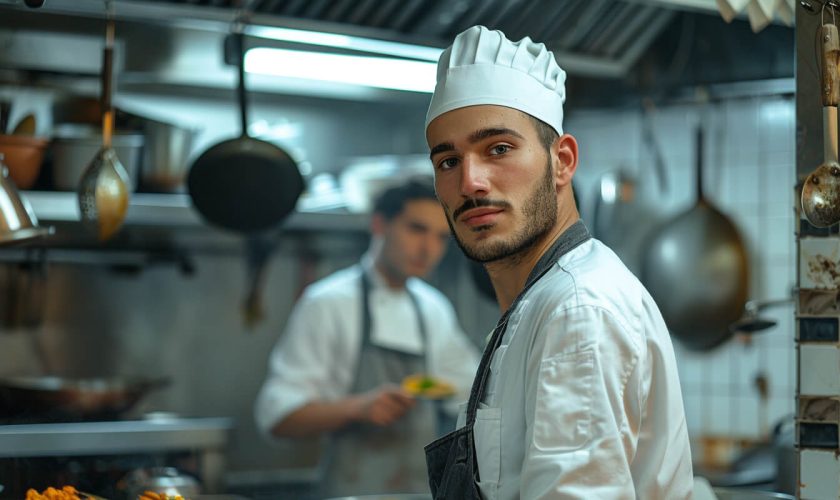
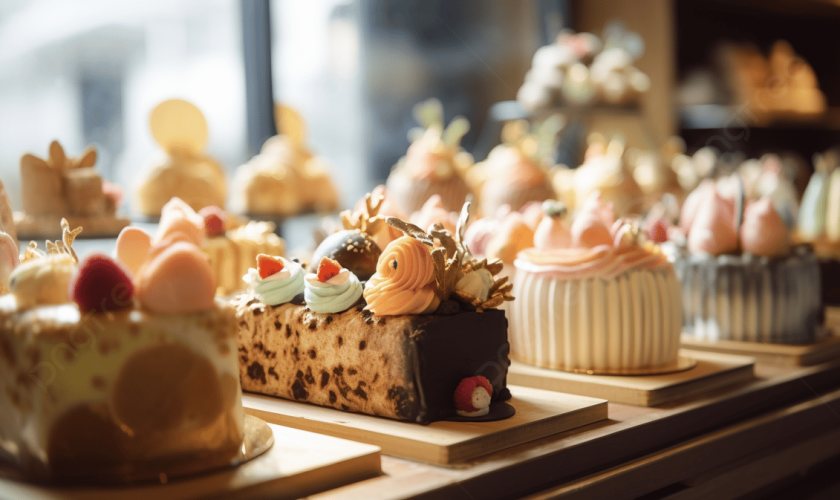
A restaurant is far more than a place to serve meals—it is a stage where food, culture, and human connection meet in a seamless performance. Each element, from the creative conception of the menu to the warmth in service and the details of design, works together to create a lasting impression. The most memorable restaurants don’t just serve dishes; they craft emotions, inspire conversation, and reflect a story. This article takes a refined look at the art of running and experiencing a restaurant, exploring its foundational pillars, the diversity of its forms, industry trends, and its role in our social fabric.

The Essence of a Restaurant: More Than Dining

At its core, a restaurant is an establishment offering food and drink for guests. Yet, exceptional restaurants transform this basic function into an immersive experience—one that engages all senses.

The sizzle from the kitchen, the aroma wafting through the air, the thoughtfully composed plate, the subtle music in the background, and the warm greeting from staff—each detail builds an atmosphere where dining becomes a cherished ritual. From relaxed street-side cafés to grand fine dining destinations, restaurants mirror the vision of their creators and the values of their communities.

The Pillars of Restaurant Excellence

To stand out in a competitive and ever-evolving industry, a restaurant must excel in several interconnected areas.

Culinary Craftsmanship

  • Menu Design with Purpose: Exceptional menus display balance—offering innovation without alienating familiarity, highlighting seasonal ingredients, and showing respect for sustainability.

  • Quality and Consistency: Skilled kitchens deliver dishes with the same standard of flavor, presentation, and freshness whether it’s a first-time customer or a loyal regular.

  • Creativity Rooted in Technique: Novelty alone isn’t enough—a successful kitchen fuses culinary innovation with disciplined execution.

Service as an Extension of Hospitality

  • Genuine Warmth: Guests remember how they feel—attentive, respectful, and discreet service elevates the overall experience.

  • Anticipation of Needs: Great servers notice guest cues, adjusting pace and suggestions without overstepping.

  • Knowledgeable Interaction: A well-informed team can recommend pairings, explain a dish’s story, and guide the diner effortlessly through the experience.

Atmosphere and Design

  • A Sensory Canvas: Lighting, layout, furniture, and background music should harmonize with the cuisine style. A seafood restaurant evoking coastal serenity feels distinct from a city steakhouse with modern, moody interiors.

  • Comfort and Accessibility: Welcoming spaces accommodate diverse guests, from families to business gatherings, ensuring everyone feels at ease.

  • Brand Consistency: Menus, uniforms, tableware, and signage should reinforce the restaurant’s identity and values.

Operational Excellence

  • Leadership and Management: Balancing chef-driven creativity with solid business practices ensures both artistry and sustainability.

  • Health, Safety, and Cleanliness: Non-negotiable elements that build trust and protect guests.

  • Smart Technology Use: Reservation platforms, point-of-sale systems, and digital marketing help optimize efficiency and maintain customer relationships.

The Many Faces of the Restaurant World

Restaurants are not one-size-fits-all experiences. Different models cater to different occasions, moods, and price points.

Fine Dining

A refined, detail-rich format where everything—the menu, service, and ambiance—is executed with meticulous care. Often featuring multi-course tasting menus, rare wines, and flawless table presentation, fine dining is about an all-encompassing journey.

Casual Dining

Offering a comfortable yet polished setting, casual dining venues are approachable without compromising food quality. They are ideal for social gatherings, family meals, or spur-of-the-moment dinners.

Fast Casual and Quick Service

Designed for speed and convenience without sacrificing flavor or freshness, these establishments bridge the gap between fast food and sit-down restaurants, catering to busy lifestyles.

Specialty and Themed Restaurants

These restaurants dive deep into a specific cuisine, ingredient, or concept, creating an immersive cultural or thematic dining experience.

Cafés and Bistros

Intimate, social spaces blending light meals, beverages, and often community spirit. Perfect for relaxed meetings or solo moments with a good book and coffee.

The restaurant industry evolves in response to societal changes, technology, and shifting tastes.

  • Sustainability at the Forefront: Local sourcing, waste reduction, and eco-friendly materials are becoming standard expectations.

  • Plant-Based Innovations: Menus are expanding to include creative vegetarian and vegan options, appealing to health-conscious and ethically minded guests.

  • Experience-Centric Dining: Chef’s tables, open kitchens, and live culinary performances create a sense of participation for diners.

  • Digital Integration: QR code menus, online booking, delivery apps, and social media engagement shape contemporary guest interactions.

  • Hybrid Models: Combining dine-in, takeaway, delivery, and meal kits diversify revenue streams and meet varied customer needs.

Common Challenges in the Restaurant Business

Running a restaurant requires resilience and adaptability to overcome obstacles:

  • Labor Shortages: Recruiting and retaining skilled staff demands investment in training, culture, and opportunities for growth.

  • Cost Management: Rising ingredient prices and overheads push restaurateurs to maintain profitability without lowering quality.

  • Changing Consumer Preferences: Staying current with dietary trends, health considerations, and cultural shifts ensures ongoing relevance.

  • Maintaining Consistency Under Pressure: Peak service hours challenge even the best teams—systems and training are crucial to uphold standards.

Creating Memorable Guest Experiences

The most cherished restaurants don’t just satisfy hunger—they create emotional connection.

  • Personalization: Remembering repeat guests, noting preferences, and celebrating special occasions make diners feel valued.

  • Attention to Detail: Impeccable plating, precise timing, and subtle but thoughtful touches leave lasting impressions.

  • Storytelling Through Food: Explaining the origins of a dish or the inspiration behind a recipe enriches the diner’s appreciation.

The Cultural Role of Restaurants

Restaurants are more than businesses; they are cultural institutions. They preserve tradition while also introducing innovation. They provide spaces for gathering—celebrating milestones, negotiating deals, or simply sharing life’s everyday moments. They are both reflections of society and forces that shape it.

In cities, they can define neighborhoods. In rural areas, they become community anchors. At every level, restaurants contribute to cultural diversity, economic vitality, and the shared human experience.

Conclusion: The Restaurant as a Living Story

A great restaurant is a living story told through flavors, service, design, and atmosphere. It is a collaboration between the vision of its creators, the dedication of its team, and the engagement of its guests.

For restaurateurs, the challenge and joy lie in orchestrating harmony between all elements, ensuring each visit feels personal and memorable. For diners, restaurants remain spaces of discovery, indulgence, and connection—places where food is art, hospitality is heartfelt, and each gathering adds a new chapter to the shared narrative of culinary culture.
read more
Recipes

The Art of Recipes: Crafting Flavorful Journeys and Preserving Culinary Heritage

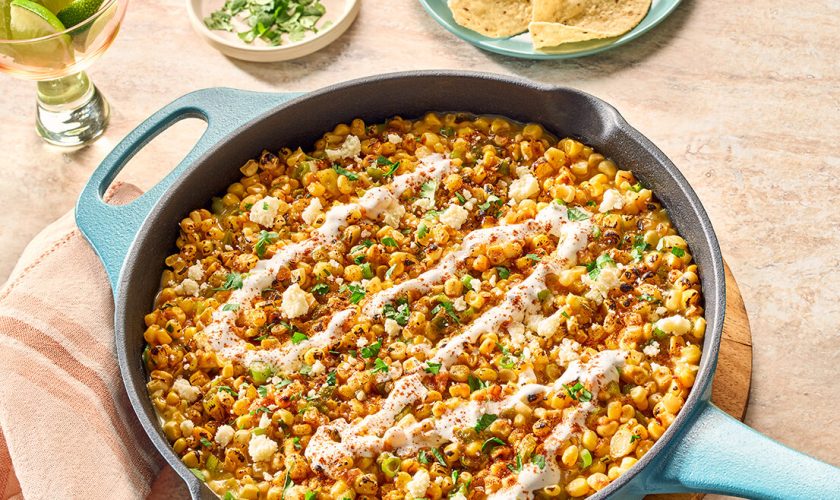
Recipes are the essential blueprints of cooking—a perfect fusion of science, tradition, and creativity that guides us in transforming simple ingredients into remarkable dishes. Yet, they are far more than mere instructions; recipes embody stories, culture, and personal expression. Whether passed down through generations, discovered in far-off lands, or innovated in modern kitchens, recipes connect us to a rich tapestry of flavor, history, and shared human experience. This article explores the timeless artistry behind recipes, their vital components, cultural significance, and how they encourage both precision and inventive freedom in cooking.

Recipes as Living Narratives of Culture and Taste

A recipe, at its core, is an instructional guide designed to deliver consistent, delicious results. However, the best recipes transcend this functional role—they evoke a sense of place, convey tradition, and invite creative adaptation. Each recipe tells a story shaped by geography, seasons, family legacy, and personal insight.

Recipes are dynamic, ever-evolving documents that absorb new influences, ingredients, and dietary considerations. This evolution fosters a lively dialogue between past and present, blending heritage with innovation and allowing cooks to both honor and reinterpret culinary legacies.

The Structure of an Effective Recipe

The power of a recipe lies in its clarity, engagement, and usability. Well-crafted recipes share common structural elements:

Engaging and Informative Titles

A thoughtful title sparks interest and hints at the dish’s essence—be it the origin, unique ingredient, or occasion it celebrates. This initial invitation frames the cooking journey and sets expectations.

Clear, Ordered Ingredients

  • Logical Sequence: Listing ingredients in the order they are used helps streamline cooking and avoids confusion.

  • Precise Quantities: Exact measurements with standardized units enable reliable replication.

  • Substitution Options: Alternatives adapt recipes for dietary needs and ingredient availability.

  • Ingredient Quality Tips: Notes on choosing the best produce or products enhance flavor and texture.

Stepwise, Accessible Instructions

  • Well-Broken Down Steps: Clear, chronological actions help cooks understand the workflow without feeling overwhelmed.

  • Techniques Clarified: Explanation of terms and methods makes recipes approachable to all levels.

  • Sensory Cues: Descriptions of aroma, texture, and appearance guide intuition beyond fixed timing or temperature.

Time Estimates and Yield Information

Providing realistic preparation and cooking times alongside servings helps with planning and portion control.

Presentation and Serving Suggestions

Ideas for plating, garnishing, and complementary side dishes enrich the dining experience and inspire creativity.

Nutritional and Variation Notes

When applicable, information on allergens, nutrition, and adaptation options supports inclusivity and experimentation.

Getting the Most from Recipes

Read Thoroughly Before Starting

Understanding every step beforehand ensures well-organized preparation and smooth execution.

Embrace Mise en Place

Arranging all ingredients and tools before cooking maintains efficiency, precision, and composure in the kitchen.

Customize Confidently

While following a recipe builds foundational skills, personal adjustments in seasoning, ingredient swaps, or technique foster culinary ownership and innovation.

Keep a Cooking Journal

Documenting adjustments, successes, and reflections sharpens expertise and encourages continuous learning.

Recipes as Cultural Legacy and Evolution

Recipes safeguard culinary identities, preserving distinctive flavours, techniques, and stories through time. They foster shared identity within communities and connect diverse cultures.

Yet recipes are not rigid relics; they evolve through health trends, sustainability awareness, and cross-cultural influences. This blend of tradition and transformation keeps recipes vibrant, relevant, and inspiring.

The Digital Age and the Recipe Landscape

Technological advances have dramatically reshaped how recipes are shared and created:

  • Rich Visual Aids: Step-by-step photos, videos, and interactive content enhance comprehension and engagement.

  • Community Interaction: Online reviews, user tweaks, and shared experiences contribute to collective learning and diversity of practice.

  • Smart Kitchen Integration: Apps and connected devices support precision, ease, and customization in cooking.

Despite new tools, eloquent, empathetic writing remains a crucial ingredient for successful and memorable recipes.

Creating Your Own Recipes: Crafting Personal Culinary Stories

For those inspired to devise original recipes, consider these best practices:

  • Thorough Testing: Repeated trials confirm clarity, consistency, and balance.

  • Audience Awareness: Tailor detail and tone for target audiences, from novices to experienced cooks.

  • Balanced Instruction: Provide comprehensive guidance without overwhelming readers.

  • Inject Personality: Anecdotes, troubleshooting tips, and serving suggestions cultivate human connection.

  • Utilize Visuals: Clear photographs or videos demystify complex steps and boost confidence.

Every recipe created becomes a new voice in the ongoing culinary conversation, sharing passion, wisdom, and hospitality.

Conclusion: Recipes as Invitations to Explore and Celebrate

Recipes are profound vessels, weaving together culture, science, art, and joy. They empower cooking as a creative, communal ritual—one that honours heritage while embracing innovation.

With intentional practice and open-mindedness, recipes guide us toward mastery, creativity, and connectedness. More than directions, they are invitations: to learn, to delight, and to share in a world united by the love of food and flavor.

Each recipe is a gateway—welcoming cooks to forge their unique path across the timeless and universal landscape of taste.

read more
Cooking Tips

The Refined Art of Cooking: Timeless Tips to Elevate Your Skills

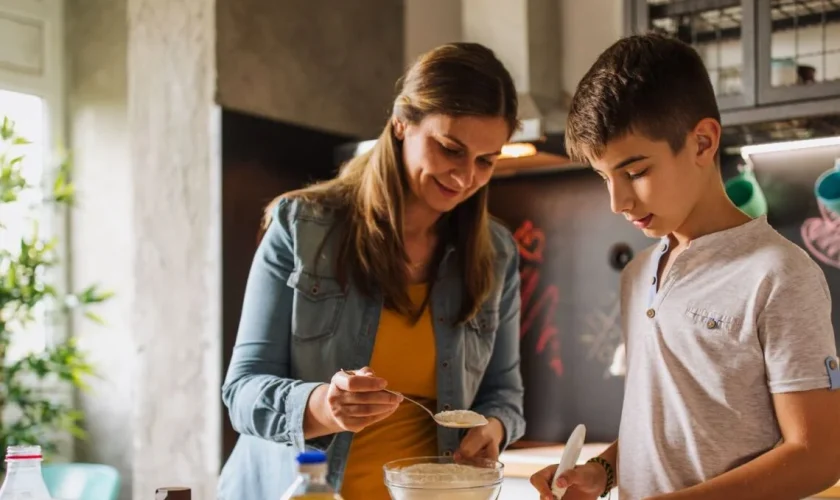
Cooking is far more than the act of preparing food—it is a harmonious blend of craftsmanship, sensory awareness, and creative expression. A well-cooked dish nourishes both the body and the soul, transforming everyday meals into remarkable dining experiences. Whether you are stepping into the kitchen for the first time or seeking to refine your well-honed abilities, the right approach can elevate your skills and deepen your love for the culinary craft. This article offers thoughtfully curated cooking tips infused with professional insight and practical wisdom, designed to help you cook with confidence and finesse.

Building the Foundation: Mindset and Preparation

Excellence in cooking starts long before pots and pans meet the stove. The best results come from preparation, patience, and the right frame of mind.

Practice Mise en Place: Everything in Its Place

  • Organize Before You Cook: Wash, chop, measure, and arrange all your ingredients prior to starting. This keeps your workflow smooth and prevents last-minute mishaps.

  • Tools at the Ready: Lay out knives, utensils, pans, and any appliances you’ll use so you can work efficiently without interruptions.

  • Know Your Recipe: Read through the entire recipe before starting to anticipate time-sensitive steps and understand the flow.

Approach with Presence and Patience

  • Treat cooking as a mindful practice by paying attention to textures, aromas, and colors as they develop.

  • Allow processes like simmering, proofing, or resting to take their time; rushing often compromises both flavor and texture.

Core Techniques That Elevate Every Dish

Mastering a handful of essential techniques will empower you to prepare superior dishes without unnecessary complexity.

The Art of Seasoning

  • Layer Flavors Gradually: Add salt and spices at different stages of cooking to build depth and complexity rather than overwhelming the dish at the end.

  • Understand Acidity and Balance: Lemon juice, vinegar, or a splash of wine can brighten flavors without salting excessively.

Temperature and Heat Control

  • Match Heat to Technique: High heat is perfect for searing meat and caramelizing vegetables, while low, steady heat supports soups, stews, and delicate sauces.

  • Don’t Overcrowd the Pan: Leaving room between ingredients ensures they brown properly instead of steaming.

Utilizing Aromatics Effectively

  • Bloom Spices: Warming spices in oil or butter before adding other ingredients unlocks deeper flavor.

  • Sweat the Aromatics: Onion, garlic, celery, or ginger release intense aroma and sweetness when gently cooked.

Respecting Rest Periods

  • Allow Meats to Rest: Once removed from the heat, resting proteins lets juices redistribute, preserving tenderness and moisture.

  • Rest Dough and Batter: Giving dough time to hydrate or ferment boosts gluten structure, texture, and taste.

Everyday Cooking Habits for Lasting Improvement

Small, consistent habits can make a profound difference in the quality of your cooking.

Invest in Fresh, Quality Ingredients

  • Sourcing the best available produce, herbs, grains, and proteins dramatically reduces the need for heavy seasoning or elaborate techniques.

Keep Your Knives Sharp

  • A sharp knife ensures clean cuts, enhances safety, and maintains the ingredient’s structural integrity.

Taste at Every Stage

  • Adjust seasoning as you go. This allows you to correct balance early rather than mask mistakes later.

Clean as You Cook

  • Maintaining an organized, clutter-free workspace keeps you efficient and more focused on the food.

Adapt Recipes to Your Personality

  • A recipe is a guide, not a constraint—substitute herbs, spices, or sides to suit your preferences or local produce availability.

Advanced Practices for the Passionate Cook

For those ready to explore more refined cooking, adding subtle complexities can enhance both flavor and presentation.

Play with Texture for Dynamic Plates

  • Combine contrasting textures—pair creamy bases with crunchy toppings or crisp salads with tender proteins—to create engaging dining experiences.

Understand Ingredient Chemistry

  • Learn how acids tenderize meats, how salt draws out flavor and moisture, or how fat carries aroma; this knowledge lets you manipulate outcomes deliberately.

Draw Inspiration from Global Flavors

  • Explore spice blends, marinades, and cooking techniques from around the world; adapt them for your kitchen while respecting their cultural origins.

Improve Your Presentation Skills

  • Arrange food with intention: balance symmetry and asymmetry, use color contrast, and incorporate natural garnishes for appealing visuals.

The Emotional and Cultural Side of Cooking

Cooking nourishes more than physical hunger—it feeds relationships, preserves traditions, and fosters creativity.

  • Prepare meals for loved ones to create memories that extend beyond taste.

  • Experiment with dishes from your own heritage to maintain cultural continuity.

  • Use cooking as a form of self-expression, adjusting dishes to reflect your personal style and mood.

Conclusion: From Routine to Ritual

Cooking becomes transformative when approached as both an everyday necessity and an artistic ritual. Preparation ensures readiness, technique guarantees quality, and creativity infuses each dish with personality. By implementing these tips—be it mastering seasoning, controlling heat, or elevating presentation—you create not only delicious meals but also lasting experiences.

When you treat cooking as an art form, every ingredient becomes a tool for storytelling, every plate a canvas. Over time, the tips you practice evolve into instinct, and the kitchen becomes a space where precision meets creativity, and every meal is an opportunity to inspire, connect, and delight.

read more
Chef

The Chef’s Craft: A Journey of Mastery, Innovation in the Culinary World

The role of a chef transcends the simple act of preparing food; it is a profound blend of artistry, leadership, technical skill, and cultural narration. A chef is both a creator and a conductor in the kitchen, harmonizing flavors, techniques, and human energy to compose dining experiences that nourish the body and inspire the soul. This article offers an insightful and distinctive exploration into the multifaceted profession of the chef, detailing their essential skills, evolving duties, creative spirit, and their enduring influence on gastronomy and society.

The Modern Chef: More Than a Culinary Expert

A chef’s realm extends far beyond culinary execution. Today’s chef is:

  • An innovator, who reinterprets tradition with contemporary creativity, pushing the boundaries of flavor and presentation.

  • A leader, skillfully managing kitchen teams, fostering collaboration, and cultivating excellence.

  • A storyteller, using food to convey cultural identity, personal passion, and seasonal narratives.

  • An educator, engaging diners with food knowledge, inspiring appreciation and curiosity.

  • An advocate, actively promoting sustainability, ethical sourcing, and inclusivity in an increasingly conscientious culinary landscape.

This broad role demands a combination of technical expertise, emotional intelligence, artistic vision, and business savvy.

Core Skills and Qualities Defining Exceptional Chefs

To excel, chefs must master a repertoire that blends hands-on skills with vital personal attributes:

  • Technical Culinary Mastery: Proficiency in diverse cooking methods, flavor profiling, seasoning precision, and artistic plating to deliver consistent quality.

  • Creative Vision and Adaptability: Willingness to experiment with ingredients, reinterpret classics, and embrace emerging trends fuels culinary innovation.

  • Inspirational Leadership and Communication: Building strong team dynamics through clear communication, motivation, and empathy strengthens kitchen cohesion.

  • Impeccable Attention to Detail: From ingredient selection and food safety to timing and aesthetics, every detail contributes to excellence.

  • Resilience and Physical Stamina: Thriving in the high-pressure, fast-paced kitchen environment requires enduring energy and emotional calm.

  • Business Acumen: Understanding budgeting, supplier relations, inventory, and guest expectations balances creativity with pragmatic management.

  • Cultural Awareness: Embracing global cuisines and diverse dietary preferences broadens culinary perspective and inclusivity.

The Pathway: From Apprentice to Executive Chef

The chef’s journey is a progression of learning, refinement, and leadership:

  • Foundational Experience: Many start in kitchen roles such as apprenticeships or line cooks, gaining hands-on skills, discipline, and operational insight.

  • Formal Culinary Education: Schools provide theoretical grounding, scientific knowledge, and exposure to diverse culinary traditions.

  • Specialization: Chefs often focus on techniques like pastry, butchery, or specific cuisines, defining their culinary voice.

  • Leadership Advancement: Rising to sous chef and executive chef roles entails expanding creative influence and managerial responsibility.

  • Continuous Growth: Staying current means embracing new culinary trends, sustainable practices, and technological advancements.

Expanded Roles and Responsibilities of Today’s Chefs

The modern chef embraces multifaceted roles, contributing holistically to the dining experience:

  • Menu Development: Crafting menus that balance seasonality, guest preferences, innovation, and nutritional considerations.

  • Quality Assurance: Overseeing ingredient procurement, food safety, and kitchen consistency to uphold standards.

  • Team Mentoring and Management: Recruiting, training, scheduling, and inspiring staff to build cohesive and motivated brigades.

  • Guest Engagement: Sharing the narrative behind dishes and customizing experiences to deepen connection.

  • Sustainability Leadership: Implementing ethical sourcing, waste reduction, and eco-conscious kitchen practices.

The Art of Culinary Presentation

Food is both sustenance and visual poetry. A chef’s artistry shines through the thoughtful composition of each plate. Through balanced colors, textures, shapes, and garnishes, dishes become multisensory stories, heightening anticipation and enriching the dining journey. Details like edible flowers, sculpted sauces, and layered elements evoke emotion long before the first bite.

Chefs confront demanding challenges as they balance creativity with practicality:

  • High-Pressure Environments: Maintaining composure, clear communication, and teamwork amidst intense kitchen rhythms is vital.

  • Physical Demands: Endurance and attention to health prevent burnout and injuries, supporting long careers.

  • Consistency and Quality Control: Standardizing recipes, training, and quality checks ensure repeatable excellence.

  • Trend Responsiveness: Adapting to changing dietary trends, ingredient innovations, and sustainability goals sustains competitiveness.

  • Financial Stewardship: Negotiating suppliers and managing costs while maintaining quality requires strategic oversight.

The most successful chefs marry discipline with creativity and compassion, navigating these pressures with grace.

Guidance for Aspiring Chefs

  • Commit to comprehensive culinary training alongside varied practical kitchen experiences.

  • Embrace patience, openness to feedback, and a mindset of continual learning.

  • Develop leadership and communication skills as diligently as culinary techniques.

  • Explore global cuisines and evolving nutritional science to broaden horizons.

  • Prioritize mental and physical well-being for sustainable excellence.

  • Build mentorship and industry networks to foster growth and support.

The Chef as Cultural Ambassador and Innovator

Chefs serve as custodians and pioneers of culinary heritage, preserving traditions while advancing new food narratives. Many leverage their platform to advocate for social causes such as food equity, education, and environmental responsibility. Through their inventive craft and leadership, chefs contribute meaningfully to cultural conversations beyond the kitchen.

Conclusion: The Chef as Visionary Creator and Leader

Chefs embody the fusion of technical mastery, artistic innovation, inspiring leadership, and cultural storytelling. They elevate cooking into an expressive art that nourishes bodies and connects communities. Driven by passion and guided by discipline, chefs shape not only the plates before diners but also the broader social fabric surrounding food.

The chef’s journey holds infinite opportunity to inspire, innovate, and impact—each dish a testament to the enduring magic and transformative power of culinary artistry.

read more
Bar & Wine

The Harmony of Bar & Wine: Crafting Refined Experiences of Taste, Culture, and Connection

Bars and wine together create an elevated realm where sensory pleasure meets cultural tradition and social communion. More than just providers of drinks, bars serve as curated environments for celebration, relaxation, and discovery, while wine embodies centuries of artistry and nature’s complexity in every bottle. The combined experience of Bar & Wine unfolds as an elegant dance of craftsmanship, storytelling, and refined hospitality. This article delves into the multifaceted world of Bar & Wine, unveiling the essential components, evolving trends, and how these elements contribute to timeless moments of taste and togetherness.

Defining the Bar & Wine Experience: Beyond Refreshment

A bar is not merely a place to consume beverages; it is a thoughtfully crafted social space that encourages dialogue, enjoyment, and exploration. Wine, with a legacy spanning millennia, encapsulates terroir, skill, and tradition, offering an intricate symphony of flavors and aromas. When paired in a convivial setting, Bar & Wine becomes a cultural celebration, inviting guests into rich sensory journeys and shared experiences.

The modern bar culture thrives on balancing ambiance, hospitality, and beverage excellence, making it accessible yet sophisticated. Wine, in particular, educates and inspires through tastings, pairings, and narratives that connect drinkers to places and stories often far from their fingertips.

Pillars of a Distinctive Bar & Wine Culture

Creating a memorable Bar & Wine experience demands attention to several interconnected elements:

Curated Beverage Selection

  • Eclectic Wine List: A comprehensive and balanced wine list features a spectrum of reds, whites, sparkling wines, rosés, and fortified varieties from diverse global regions, catering to varied palates and occasions.

  • Innovative Cocktails: Expertly crafted cocktails marry classical mixology with seasonal ingredients, local produce, and innovative flavor combinations, elevating the art of the drink.

  • Informed Staff: Skilled sommeliers and bartenders who understand flavor profiles and pairing principles enrich the guest experience by offering tailored recommendations and engaging stories.

Atmosphere and Ambiance

  • Integrated Design: Harmonious lighting, décor, soundscapes, and comfortable seating orchestrate a sensory environment that enhances the drinking experience.

  • Facilitative Layout: Thoughtful spatial planning encourages both intimate conversations and lively social interaction, creating varied zones within the bar’s landscape.

  • Sensory Details: From the choice of glassware to garnish presentation, meticulous attention maximizes aroma release and visual appeal, deepening guests’ connection with their drinks.

Top-Tier Hospitality

  • Personalized Service: Attentive, courteous, and knowledgeable staff foster welcoming experiences where guests feel appreciated and confident in their choices.

  • Engaging Storytelling: Sharing the origins of wines and cocktails, including insights into vineyards, vintners, bartending inspirations, and production methods, transforms consumption into education and enjoyment.

  • Consistency and Precision: Careful management of serving temperatures, pouring techniques, and glass hygiene reflect a commitment to quality and refinement.

Ethical and Sustainable Practices

  • Responsible Producers: Collaborations with vineyards and distillers emphasizing organic, biodynamic, or sustainable practices resonate with environmentally conscious clientele.

  • Waste Minimization: Adoption of eco-friendly barware, reduction of single-use plastics, and conscientious inventory management underscore a commitment to sustainability.

The Evolving Role of Wine Bars and Contemporary Bars

Wine bars have evolved into cultural hubs that demystify wine and make it approachable to novices while satisfying connoisseurs. They curate selections based on terroir stories, varietal uniqueness, and vintage character, fostering a casual yet elegant atmosphere. Through regular tastings, education sessions, and food pairings, these spaces nurture community and curiosity.

Modern bars extend beyond drink service to offer immersive experiences blending social interaction, culinary artistry, and entertainment, often integrating crafted cocktail programs that reflect local flavors or seasonal inspirations.

The Bar & Wine world continuously adapts, propelled by shifting consumer preferences, lifestyle trends, and technological advances:

  • Natural Wines: The surge in popularity of unfiltered, minimal-intervention wines offers vibrant, often unconventional taste profiles appealing to adventurous palates.

  • Inclusive Beverages: Low-alcohol and sophisticated non-alcoholic options address wellness trends, broadening guest inclusivity without sacrificing complexity or style.

  • Seasonal Cocktails: Menus tailored to seasonality and local ingredients maintain freshness and authenticity while fostering creative mixology.

  • Digital Enhancements: QR-code wine lists, app-based ordering, virtual tastings, and digital storytelling enhance access, interaction, and marketing reach.

  • Sustainability as a Core Value: Increasing focus on regenerative agriculture, carbon footprint reduction, and transparent sourcing elevates environmental responsibility as a business norm.

The Art of Pairing: Elevating the Culinary Experience

Wine pairing represents an essential facet of the Bar & Wine relationship, deepening the dining experience by creating harmonious flavor dialogues. Sommeliers and bartenders orchestrate pairing strategies balancing acidity, tannin levels, sweetness, and texture alongside culinary components. Thoughtful pairing enhances both the food and beverage, inviting guests into a multisensory celebration where each element complements the other.

Crafting an Unforgettable Bar & Wine Experience

Delivering excellence requires:

  • Ongoing Staff Education: Continuous training in wine knowledge, tasting skills, and guest interaction ensures mastery and confidence among personnel.

  • Balanced Curation: Combining accessible crowd-pleasers with unique, rare selections invites exploration while satisfying diverse tastes.

  • Ambience and Efficiency: Elegant yet functional bar designs foster lively social scenes while enhancing operational flow.

  • Story-Driven Engagement: Emphasizing provenance, production tales, and cultural contexts enriches the guest journey.

  • Rigorous Quality Control: Maintaining optimal conditions for wine storage, serving temperatures, and glass cleanliness safeguards integrity and pleasure.

Conclusion: Bar & Wine as an Enduring Celebration of Craft, Culture, and Connection

Bar and wine culture encapsulate more than drinks—they celebrate heritage, creativity, community, and shared experience. Through expert selection, storytelling, and refined hospitality, they elevate simple consumption into meaningful occasions that resonate emotionally and sensorially.

From enjoying a delicate glass of Chardonnay in a chic city venue to savoring a bespoke cocktail crafted with seasonal nuances, guests engage with layers of tradition and innovation. By honoring this balance and fostering inclusive enjoyment, bars and wine continue to flourish as timeless spaces where flavor, culture, and conviviality unite to create elegant, memorable celebrations.

read more
Bakery & Cake

The Art and Science of Bakery & Cake: A Celebration of Tradition, Innovation, and Delight

Bakery and cake are much more than culinary delights—they are symbols of culture, craftsmanship, and shared joy. From the comforting aroma of freshly baked bread to the exquisite elegance of a bespoke cake, these creations nourish the body and elevate moments of celebration. With roots in age-old tradition and branches reaching toward innovative techniques, bakery and cake embody a delicate balance of science and artistry. This article explores their enduring appeal, the mastery involved in crafting them, the vibrant evolution of styles and flavors, and the deep emotional resonance they inspire.

The Bakery: A Sanctuary of Craft, Science, and Community

A bakery is not simply a place to purchase bread or pastries; it is a workshop of transformation where basic ingredients—flour, water, yeast, sugar, butter—are patiently and precisely coaxed into products that delight on every level. Baking is a scientific pursuit, reliant on the chemistry of fermentation, gluten development, and heat, yet it equally demands the intuition and artistry of the baker.

Much like the hearth at the center of the home, bakeries serve as communal hubs, filling neighborhoods with warmth and life. They offer foundational staples such as crusty sourdoughs, flaky croissants, rich brioche, and sweet pastries that structure daily rituals. Seasonal specialties and culturally significant offerings enrich celebrations and preserve culinary legacies.

Mastery Behind Every Loaf

The character of bread hinges on the intimate management of hydration ratios, proofing periods, folding techniques, and oven conditions. Expert bakers adjust these variables to achieve the desired texture and flavor—from the tangy chew of well-fermented sourdough to the tender crumb of buttery brioche or the delicate lamination of a croissant.

Modern bakeries embrace diversity and innovation by incorporating ancient grains, gluten-free flours, and inventive flavor pairings, all while respecting the time-honored traditions that establish their craft.

Cakes: Edible Expressions of Celebration and Artistry

Cakes transcend their role as desserts—they act as edible canvases of emotion and artistry. From birthdays and weddings to religious and cultural festivals, cakes stand at the heart of communal joy, telling stories through layers of flavor, texture, and visual design.

A Spectrum of Cake Styles

  • Classic Layer Cakes: Light sponges layered with luscious buttercream, ganache, or fruit fillings provide versatile and timeless bases for customization.

  • Fondant and Sculpted Cakes: Smoothly enveloped in pliable fondant, these cakes become masterpieces fit for formal occasions and personalized celebrations.

  • Cheesecakes: Dense, creamy, and often adorned with fruit compotes, cheesecakes offer indulgent yet sophisticated alternatives.

  • Cupcakes and Petit Fours: These individual-sized delights blend convenience with visual charm, suitable for everything from casual gatherings to elegant affairs.

  • Inclusive Variants: Vegan, gluten-free, and reduced-sugar cakes reflect the growing demand for balanced indulgence that respects well-being and dietary needs.

The Science and Craftsmanship of Cake Making

Producing the perfect cake requires scientific precision to balance leavening agents, moisture retention, and mixing techniques, resulting in textures varying from airy and moist to rich and dense. Decorating such creations is an artform in itself, involving skilled piping, color layering, sugar artistry, and thematic cohesion that transforms cakes into stunning centerpieces conveying both taste and story.

Tradition Meets Innovation: A Vibrant Culinary Dialogue

Bakery and cake crafts are deeply anchored in centuries-old traditions—French patisseries, rustic Italian breads, and Middle Eastern sweets provide a rich heritage of techniques and regional flavors. These traditions offer essential foundations while fostering reverence for the craft.

Simultaneously, a spirit of innovation infuses contemporary bakers’ work. The integration of superfoods, novel sweeteners, alternative grains, and sustainable sourcing practices propels bakery and cake into new gastronomic realms. This dynamic interplay ensures these culinary arts remain timeless yet vibrantly relevant.

Emotive Power and Social Connection Through Bakery and Cake

The sensory experiences associated with bakery and cake—the warmth of fresh bread, the visual appeal of a decorated cake, the comforting taste of a familiar pastry—forge profound emotional links. These foods punctuate daily life and mark significant milestones, weaving nourishment with memory and community.

Custom cakes often tell personal or cultural stories, transforming occasions into intimate, shared experiences. The act of baking and sharing these masterpieces nurtures social bonds and fosters moments of collective joy that transcend tastes.

How to Choose the Ideal Bakery and Cake

Selecting the right bakery or cake for everyday enjoyment or significant celebration calls for discerning several vital factors:

  • Ingredient Quality: Trust bakeries that source fresh, local, and—where possible—organic ingredients, guaranteeing peak flavor and nutritional integrity.

  • Artisanal Expertise: Skilled bakers translate simple components into intricate flavor profiles enhanced by elegant presentation.

  • Customization and Collaboration: The best bakeries engage clients closely, tailoring designs and recipes to meet aesthetic desires and dietary requirements.

  • Inclusivity: Offering gluten-free, vegan, and allergen-aware options without sacrificing quality speaks to modern culinary responsibility.

  • Consistent Reputation: Positive word-of-mouth, reviews, and referrals verify reliable taste and service excellence.

Conclusion: Bakery & Cake as Timeless Symbols of Craft, Celebration, and Connection

Bakery and cake artfully merge heritage, technical mastery, and creative imagination, coloring both everyday life and landmark events with sweetness, elegance, and joy. Each loaf and cake reflects dedication, innovation, and the deep human impulse to share and delight.

By revering craftsmanship and embracing progress, we preserve a rich culinary heritage that continues to nourish and connect across generations. Whether savoring a rustic loaf with morning coffee or unveiling a captivating wedding cake, bakery and cake remain enduring emblems of artistry, warmth, and community—bringing beauty, flavor, and happiness to tables, one exquisite bite at a time.

read more