
close

Bakery & Cake

Bakery & Cake

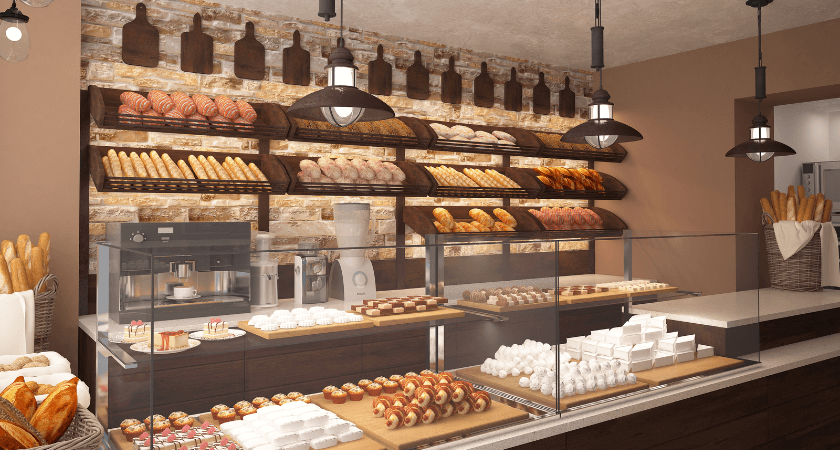
Curating the Sidewalk Stage: How to Design a Bakery Display Window That Stops Foot Traffic

A pedestrian walking down a commercial street takes roughly three to five seconds to pass an independent storefront. Within that fleeting window, the human brain processes visual cues, registers appetizing aromas if the front door is propped open, and makes an instantaneous, subconscious calculation about whether to break stride or keep moving.
For an independent bakery, the front display window is not merely an architectural barrier keeping the weather out. It is a live stage, a sensory preview, and the single most cost-effective marketing asset the business owns. While digital marketing and social media accounts generate awareness, the display window converts foot traffic into paying customers at the exact moment of intent.
Yet all too often, bakeries treat their front glass as an afterthought. Windows become cluttered with faded promotional flyers, crowded with mismatched platters, or neglected under harsh, unflattering lighting that turns golden-brown crusts into an unappealing beige. Designing an arresting display requires a calculated blend of visual merchandising principles, food safety logistics, and lighting design, all working in unison to turn casual sidewalk strollers into daily regulars.

The Geometry of Sightlines: Mapping the Pedestrian Gaze

A successful bakery window directs the viewer’s eye along an intentional path rather than bombarding it with visual noise. When pedestrians approach a window, their gaze naturally tracks in a sweeping motion, generally settling first on items positioned within an eye-level band between four and five and a half feet from the pavement. Anything placed flat on the floor of a low window well is effectively invisible from six feet away.
To capture attention across varying distances, arrange the space using a three-tier elevation model.

The Foreground: Intimate Details

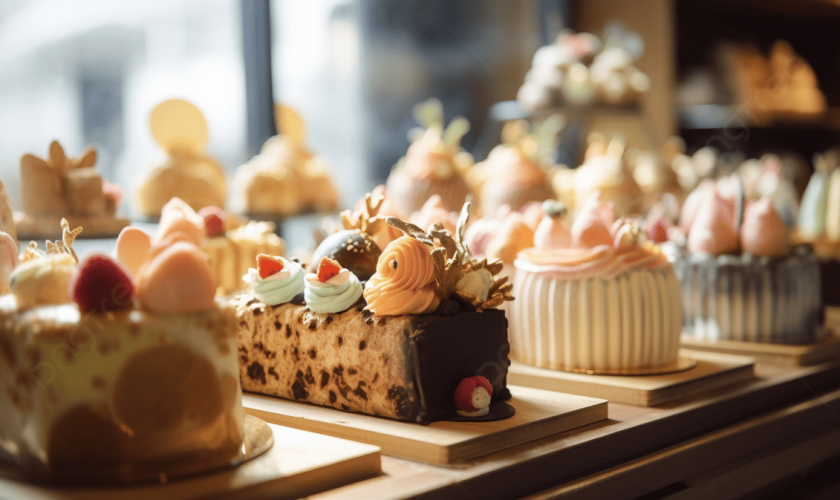
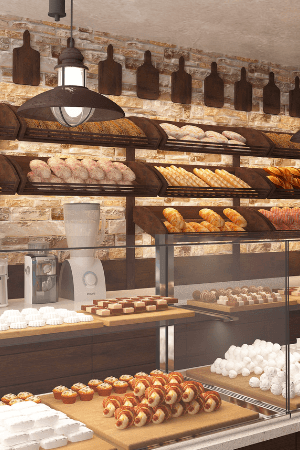
Positioned closest to the glass and slightly lower in the sightline, the foreground should showcase smaller, high-detail treats that reward close inspection. Intricate French macarons, individually glazed petit fours, hand-piped sugar cookies, or glossy fruit tartlets thrive here. Passersby who slow down to inspect these items will naturally step closer to the window, crossing the threshold from distant observer to engaged viewer.

The Midground: The Hero Focal Point

The midground holds the structural anchor of your display. This is the visual heavyweight that pedestrians spot from twenty feet down the sidewalk. A towering multi-tiered celebration cake, an overflowing wicker cornucopia of braided challah, or an architectural pyramid of sourdough boules belongs in this central zone. Every successful window needs a single, undeniable hero element; attempting to give equal prominence to every product on the menu creates a chaotic blur where nothing stands out.

The Background: Depth and Context

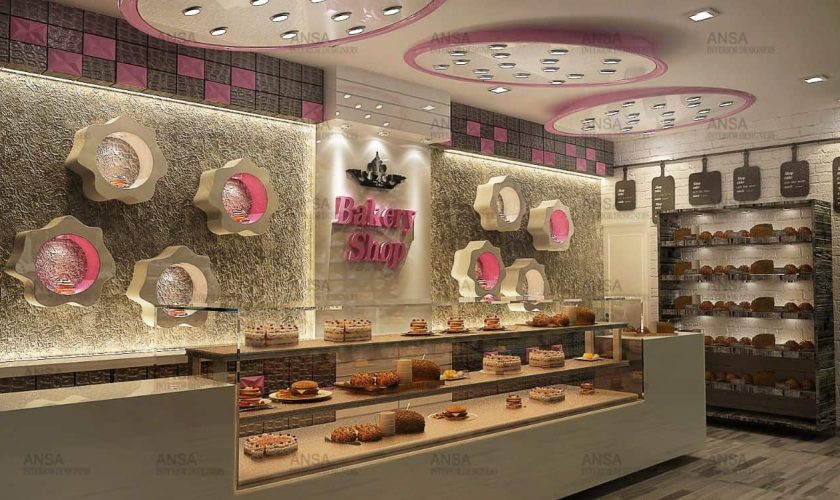
The rear of the display connects the street to the interior atmosphere of the shop. Rather than constructing a solid, opaque wall that blocks views into the dining room or kitchen, consider an open or semi-translucent backdrop. Seeing bakers sliding peel boards into a hot deck oven, or catching a glimpse of customers enjoying coffee at small marble tables, provides dynamic motion. This visual transparency signals freshness and energy, inviting the pedestrian to become part of the experience inside.

Illuminating the Crumb: Lighting Physics and Color Temperature

Even the most exquisite kouign-amann looks dull under poor lighting. Bakeries deal with unique visual palettes dominated by rich caramel tones, deep chocolate glazes, and warm, golden-brown crusts resulting from Maillard browning. Standard cool-white fluorescent fixtures or generic commercial LEDs—often rated between 4000K and 5000K—drain the warmth from baked goods, casting a sickly, clinical blue hue over the entire display.
To make pastry crusts glisten and bread look freshly baked, prioritize lighting fixtures with a warm color temperature between 2700K and 3000K. This warm spectrum enhances natural amber, golden, and honey hues, making pastries look rich and inviting.
Equally important is the Color Rendering Index, or CRI. Standard commercial bulbs frequently carry a CRI rating of 70 to 80, which flattens nuances in color. Install specialized display spotlights with a CRI rating of 90 or above. High-CRI lighting reveals the true, vibrant reds of fresh strawberry tarts, the deep velvety brown of dark chocolate ganache, and the delicate dusting of powdered sugar across laminated croissants.
Directionality matters just as much as color balance. Flat, overhead downlighting casts harsh shadows that obscure interior layers. Instead, incorporate angled track spotlights focused on key hero products from a forty-five-degree angle. This cross-lighting creates subtle highlights and shadows along the ridges of braided doughs and scored crusts, emphasizing the artisan texture of your work.

Balancing Food Safety and Visual Realism

One of the greatest operational hurdles in bakery window design is the battle against environmental degradation. Direct sunlight, ambient summer heat, and fluctuating humidity levels quickly destroy fresh baked goods. Butter-rich pastries sweat and lose their crisp lamination, chocolate blooms with white fat crystals, fresh cream breaks down, and delicate royal icing melts.
Bakeries generally solve this dilemma through one of two operational strategies.

The Dummy Display Strategy

For intricate decorated cakes, seasonal showpieces, or items that must sit in unconditioned exterior windows, high-quality dummy displays remain the safest path. Cake dummies carved from dense polystyrene can be frosted with shortening-based mock buttercreams or wrapped in fondant treated with food-grade sealants to resist humidity.
When displaying artificial bread or pastry, modern faux-baked items crafted from polyurethane foam look remarkably indistinguishable from real loaves. If you choose this route, invest in professional-grade models; poorly molded plastic bread undermines consumer trust faster than an empty window.

The Rotational Live Display

If you prefer showcasing actual, edible bakes, treat the window as an active staging area that adheres to strict rotational schedules. Place real artisan loaves in the window during the morning rush, but swap them out or pull them before direct midday sun damages their appearance. For perishable cream items, invest in an integrated refrigerated window showcase that keeps items safe at 40 degrees Fahrenheit while maintaining anti-fog, double-pane display glass.
To mitigate direct thermal heat from the afternoon sun, install UV-filtering window film. These clear ceramic or nano-carbon coatings block up to 99 percent of ultraviolet rays and a significant portion of solar heat without darkening the glass or creating distracting exterior reflections.

Textural Contrast and Strategic Styling Props

A common misstep in bakery merchandising is placing brown items on brown surfaces. When golden sourdough loaves sit on raw butcher block wood against a tan brick wall, the products visually dissolve into the background.
Contrast is what makes food look appetizing from a distance. Pair golden-brown baked goods with cooler, textural surfaces that provide visual relief:
  • Honed white marble slabs that highlight dark crusts and glossy glazes
  • Matte dark slate or soapstone risers that create dramatic, high-contrast stages for dusted pastries
  • Brushed brass or blackened iron display stands that introduce crisp, clean lines without clashing with warm bakes
  • Pale linen fabric or unbleached cheesecloth draped loosely beneath woven baskets to soften hard shelf lines
When selecting decorative props, apply restraint. A single vintage wooden peel, an antique copper bowl holding whole vanilla beans, or a tidy bundle of dried wheat stalks communicates craft and heritage. Conversely, filling the window with plastic flowers, oversized plush toys, or irrelevant seasonal bric-a-brac distracts from the core product. Props should contextualize the baking process, never compete with the bakes themselves.

Legibility, Pricing, and the Psychology of Friction

A pedestrian admiring a display often experiences a moment of hesitation: What is that, and what does it cost?
When a window features no signage, prospective customers often assume the shop is either overwhelmingly expensive or difficult to navigate. Clear, elegant product identification eliminates that hesitation and lowers the barrier to entry.
Keep window signage minimal and legible from several feet away. Avoid handwritten paper tags with uneven cursive or flimsy adhesive labels that peel in the sun. Instead, opt for clean acrylic blocks, small porcelain card stands, or branded matte-black tags lettered in crisp white chalk or metallic ink.
Include the product name, a brief two-to-three-word description of its primary flavor profile, and the price. Highlighting distinct dietary callouts—such as naturally leavened, gluten-free, or plant-based—catches the eyes of consumers scanning the street for specific options that fit their lifestyle.

The Daily Maintenance Rhythm

A brilliant design concept falls apart without rigorous daily upkeep. Window displays sit mere inches from dusty streets, passing dogs, and fingerprint-prone children. The exterior glass requires daily morning washing to remove street grime, water spots, and smudges, while the interior surface must be wiped down regularly to clear stray flour dust and condensation.
Establish a firm operational rhythm for the display:
  1. Conduct an exterior sidewalk inspection each morning before opening doors, assessing the window from the perspective of an approaching pedestrian walking in both directions.
  2. Clean all glass surfaces and wipe down display risers to remove loose crumbs, stray sesame seeds, or flaky pastry shards that shed onto display trays.
  3. Refresh the staging midway through the afternoon, removing partially depleted platters that signal picked-over remnants rather than abundant freshness.
When maintained with discipline, an eye-catching bakery window does more than decorate a building facade. It tells a silent story of craftsmanship, culinary discipline, and uncompromising freshness, effortlessly turning the sidewalk into your bakery’s front porch.
read more
Bakery & Cake

Master the Crumb: Gluten-Free Bakery Swaps That Never Compromise on Texture

Every baker who has ever ventured into gluten-free pastry knows the quiet disappointment of a failed bake. The exterior may boast an enviable golden sheen, but beneath the surface lies a heartbreaking flaw: a dry, sandy crumb that dissolves into dust, a dense gummy core that never seems fully set, or a pastry that goes stale three hours out of the oven.
For decades, gluten-free baking carried a reputation of reluctant compromise. Commercial all-purpose blends promised seamless cup-for-cup swaps, yet they routinely yielded cookies that spread into paper-thin puddles and bread loaves with the density of damp bricks. The issue does not stem from a lack of quality ingredients, but from a fundamental misunderstanding of what wheat flour actually accomplishes inside an oven.
Wheat flour is not a passive carrier of flavor; it is an active structural matrix. When hydrated and agitated, its primary storage proteins, glutenin and gliadin, link together to form an elastic, extensible network known as gluten. This microscopic web traps expanding steam and carbon dioxide, allowing dough to rise, expand, and hold its shape while setting into an airy, resilient crumb.
Replicating that dynamic without wheat requires an architectural approach. Rather than relying on a single miracle ingredient, professional bakers construct a balanced ecosystem of distinct whole grains, refined starches, binders, and moisture regulators tailored to the specific bake at hand.

Deconstructing the Blend: The Flaw in Universal Mixes

Commercial one-to-one gluten-free blends are formulated for convenience, usually designed around a generic midpoint between a drop biscuit and a layer cake. Most of these mixes rely heavily on a combination of white rice flour, brown rice flour, potato starch, and tapioca flour, cut with a standard dose of xanthan gum.
While this balance works acceptably well for quick breads or banana muffins where fruit purees provide natural emulsification and heft, it falls apart when applied to artisan baguettes, laminated pastries, or delicate shortbreads. Rice flour alone is naturally gritty due to the hard, crystalline structure of its starch granules. Without sufficient starch buffering or precise grain sizing, that grit persists even through high-heat baking.
Achieving pastry-case quality demands custom flour ratios. A reliable standard for bakery formulation balances 70 percent structural grains against 30 percent functional starches for dense, hearty items, and inverts that ratio toward 40 percent grains and 60 percent starches for delicate, high-lift items like sponge cakes and choux pastry.

Selecting the Structural Foundation

The whole-grain component supplies protein, ash content, and flavor. Sorghum flour delivers an earthy, mild sweetness with a protein profile that closely mirrors soft wheat, making it an exceptional base for butter cakes and scones. Millet flour brings a delicate yellow crumb and tender bite, ideal for sugar cookies and yellow cakes, though it must be balanced carefully to avoid bitterness. Fine-milled oat flour, processed from certified gluten-free oats, is unmatched in its ability to produce a soft, pillowy chew in chocolate chip cookies and breakfast pastries thanks to its high beta-glucan content.

Calibrating Functional Starches

Starches dictate tenderness, gelatinization, and crispness. Tapioca starch, derived from cassava root, provides chew, elasticity, and golden browning, making it indispensable for yeast breads and chewy cookies. Potato starch absorbs massive amounts of ambient moisture at lower temperatures, producing a delicate, melt-in-your-mouth crumb in pound cakes and pie crusts. Arrowroot powder acts as a cleaner, neutral alternative to cornstarch, producing a silky texture without adding a chalky aftertaste.

The Superfine Milling Advantage

Grain type means very little if the particle size is wrong. Standard grocery-store rice flours are milled through coarse screens that leave sharp, jagged granules behind. When baked, these granules fail to hydrate completely, producing the dreaded sandbox mouthfeel. Sourcing flours milled to a superfine micron rating changes everything. A superfine white rice flour absorbs liquid evenly, swelling during the resting phase and baking into a seamless, velvety crumb that defies detection.

Engineering Elasticity: Beyond Xanthan Gum

When you eliminate gluten, you remove the rubber band that keeps dough from tearing apart under the force of thermal expansion. Most home recipes immediately turn to xanthan gum as the default fix. While xanthan gum is a powerful hydrocolloid that creates viscosity, an accidental heavy hand turns dough slimy and imparts an unappealing, rubbery bounce to baked goods.
Elevating the texture requires deploying the right binder for the specific structural challenge.

Whole Psyllium Husk for Artisan Breads

For yeasted bread, focaccia, and pizza dough, whole psyllium husk is the undisputed gold standard. Derived from the seeds of the Plantago ovata plant, psyllium is pure soluble fiber. When whisked with warm water, it forms an elastic, pliable gel that mirrors the physical properties of a hydrated gluten network better than any commercial gum.
Doughs formulated with psyllium can be shaped, braided, scored, and handled by hand. During baking, the psyllium gel traps expanding gas bubbles securely, resulting in an open, irregular crumb structure with an authentic, crusty exterior and a distinct sourdough-like chew. For ideal dispersion, grind whole husks into a coarse powder rather than using ultra-fine commercial preparations, which can tint the crumb an unappetizing pale purple.

Chia and Flax Gels for Soft Cakes

In tender crumb applications like carrot cakes, brownies, and dense loaf cakes, ground golden flaxseed or finely milled chia seed gels offer functional binding alongside natural fat. Whisked with boiling water at a one-to-three ratio and allowed to cool, these seed gels provide structural stability without the gummy resilience associated with synthetic stabilizers. They also contain mucilage that locks in hydration, preventing the rapid staling that plagues so many gluten-free products.

The Hydration Equation and the Pre-Gelatinization Hack

Gluten-free grains lack the immediate surface absorption properties of wheat flour, yet their total water-holding capacity over time is substantially higher. A standard wheat dough might operate comfortably at 65 percent hydration, but an equivalent gluten-free formula often requires 75 to 85 percent hydration to fully saturate the starches.
If a gluten-free batter appears thick and workable right out of the mixer, it is almost certainly too dry. The unbaked batter should look visibly looser and more fluid than its traditional counterpart.

The Tangzhong Technique

Borrowed from traditional Asian milk bread baking, the tangzhong, or water roux, method is one of the most effective tools for solving dryness in gluten-free baking. By cooking a small fraction of the formula’s starch—typically sweet rice flour or tapioca starch—with a portion of the recipe’s liquid to approximately 150 degrees Fahrenheit, the baker forces the starch molecules to swell and gelatinize ahead of time.
Incorporating this gelatinized paste into the final dough matrix achieves three major victories:
  • It locks moisture securely into the crumb, drastically reducing moisture loss during baking.
  • It increases oven spring by creating an extensible network that stretches easily as gases heat up.
  • It extends bakery shelf life naturally, keeping sandwich breads and dinner rolls tender for three to four days without artificial preservatives.

Strategic Fat and Sugar Swaps for Crumb Architecture

Texture is not solely a product of flour and binders; fat crystallization and sugar hygroscopy play decisive roles in how a crumb shatters, bends, or melts.

Almond Flour as a Fat Emulsifier

Blending finely blanched almond flour into your flour mix is an exceptional strategy for cookies, tart shells, and quick breads. Almond flour brings healthy fats, natural moisture, and distinct structural protein that disrupts grain starches just enough to create a tender, short crumb. In pie crusts, replacing 15 percent of the total flour blend with almond flour prevents the crust from shrinking on the pan while delivering a rich, buttery flakiness that shatters cleanly against a fork.

Invert Sugars for Moisture Retention

Granulated sucrose creates a crisp, light structure, but it releases moisture quickly once the pastry cools. To combat premature drying, professional bakers swap a portion of white sugar for invert sugars like real honey, dark maple syrup, or light brown sugar. Invert sugars are naturally hygroscopic, meaning they pull ambient humidity from the surrounding atmosphere directly into the baked crumb, preserving that coveted fudge-like center in cookies and brownies long after they leave the cooling rack.

Category-Specific Swaps for Everyday Classics

Applying these principles requires dialing in the right balance for each distinct baking category.

Flaky Pastries and Pie Crusts

The objective here is crisp separation without crumbly disintegration. Use a base of superfine white rice flour and sweet rice flour paired with cold, grated butter and a splash of apple cider vinegar. Sweet rice flour, despite its name, contains no gluten; it is milled from sticky, short-grain glutinous rice that is rich in amylopectin starch. This starch adds unique cohesion, allowing the baker to roll the dough thin without it tearing, creating delicate, wafer-thin layers that puff under intense oven heat.

Chewy Bakery Cookies

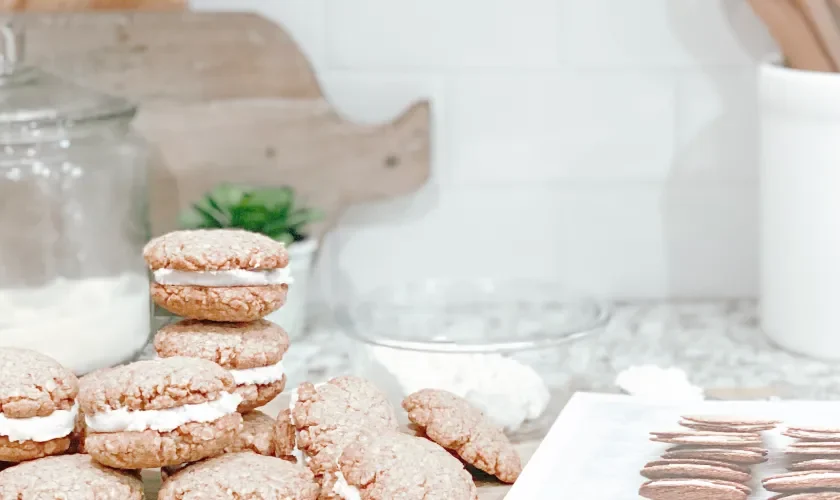
To prevent cookies from spreading into thin lace or turning into cakey disks, lean on a foundation of certified gluten-free oat flour and tapioca starch, supplemented by a single extra egg yolk. The extra yolk supplies lecithin, which acts as a natural emulsifier, binding the high fat content to the liquid. Chill the portioned dough balls for at least twelve hours before baking to allow the oat starches to fully hydrate and the fats to solidify completely.

Artisan Loaves and Dinner Rolls

Skip commercial blends entirely. Build a base around equal parts sorghum flour and millet flour, bulked with tapioca starch for lift and anchored by a generous hydration of five percent whole psyllium husk. Incorporate a light splash of carbonated water into the mix; the effervescence aids mechanical leavening, helping the heavy, dense grains lift off the pan before the yeast fully takes over.

The Resting Protocol: Time as an Essential Ingredient

The final swap costs nothing, yet it is skipped more frequently than any other technique: exchanging immediate convenience for time.
Wheat batters can often be mixed and transferred directly to the oven because gluten hydrates rapidly under mechanical friction. Gluten-free starches, conversely, require extended quiet time to absorb ambient liquids.
Allowing cookie doughs, muffin batters, and cake mixes to rest in the bowl for 30 to 45 minutes before baking gives the dense starch granules time to soften completely. This simple pause smooths out gritty particles, thickens loose batters into scoopable doughs, and promotes even Maillard browning across the crust.
Once baked, patience remains paramount. As gluten-free items emerge from the oven, their interior starches are still undergoing retrogradation, the process where amylose and amylopectin chains realign and set into their final structural crystalline form. Cutting into a warm gluten-free loaf of bread releases trapped steam prematurely, instantly collapsing the delicate interior cell walls and leaving behind a gummy, dense stripe.
Allowing bread and delicate pastries to cool completely to room temperature on an elevated wire rack lets the moisture stabilize throughout the crumb, ensuring that every slice yields clean, airy perfection.
By understanding the physics of hydration and the specific mechanical roles of diverse grains, you remove guesswork from the kitchen. Gluten-free baking stops being an exercise in limitation and becomes an art of deliberate precision, delivering bakery-worthy textures that stand proudly alongside any traditional creation.
read more
Bakery & Cake

Beyond the Compromise: How Plant-Based Pastry Conquered the Neighborhood Bakery

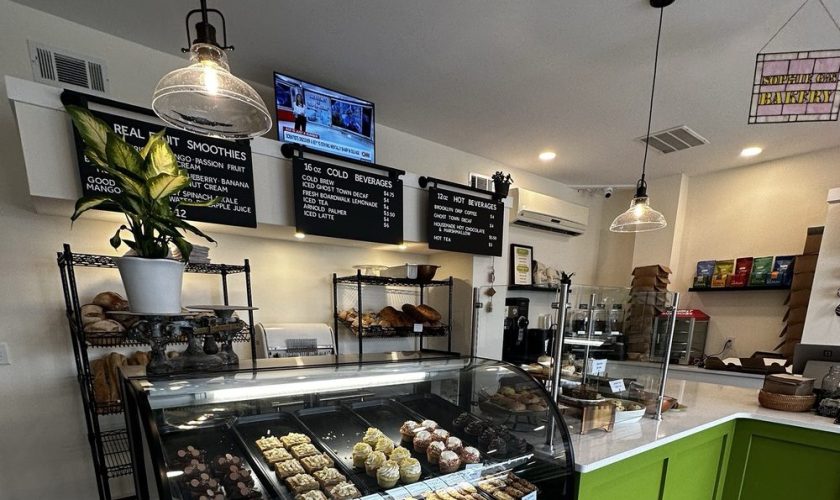
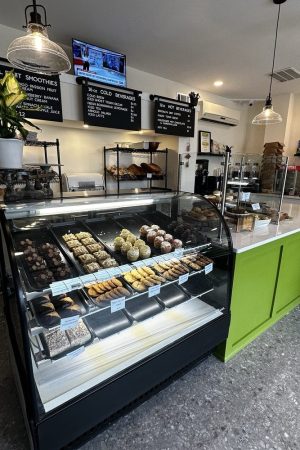
Walk into an independent neighborhood bakery early on a Tuesday morning, and the sensory cues remain reassuringly familiar. The air carries the bittersweet perfume of roasted coffee beans, the ambient warmth of deck ovens radiating across the floor, and the unmistakable aroma of caramelized sugar and toasted flour. In the display case, trays of pain au chocolat glisten under soft track lighting, their mahogany crusts fractured into paper-thin ridges. Next to them sit Meyer lemon tarts with mirror-smooth curds, cardamom buns woven into tight braids, and dark chocolate cookies pooled with molten centers.
A decade ago, you could reliably spot the plant-based options in this case without checking the labels. They were the dense, bran-heavy muffins lurking in the corner, dusted with turbinado sugar in a polite attempt to distract from their lack of moisture, or the crumbly shortbread that tasted faintly of nutritional yeast and raw coconut oil.
Today, that visual and tactile boundary has completely collapsed. The laminated croissant with the honeycomb interior and the shatteringly crisp exterior might contain zero grams of cow’s butter. The silky pastry cream filling the fruit tart was whisked without a single egg yolk. More telling still, the customer ordering that pastry often neither knows nor cares that it is vegan. They buy it because it happens to be the best pastry in the shop.
The arrival of plant-based baking in mainstream neighborhood bakeries represents something far more significant than a passing dietary fad. It marks a fundamental shift in how artisans understand food science, how small businesses manage community demand, and how modern eaters define indulgence.

Rethinking the Architecture of Pastry

Traditional French and European patisserie was never designed to be flexible. It was codified over centuries around a sacred trinity: butter, eggs, and refined wheat flour. In classic baking, dairy butter is not merely an ingredient; it is a structural engineer. Butterfat provides flavor, while water trapped in the fat creates steam during baking, pushing delicate layers of dough apart to yield puff and flake. Eggs serve as the kitchen’s ultimate multitaskers, acting simultaneously as emulsifiers, leaveners, moisture retainers, and structural scaffolding through coagulating proteins.
For years, early commercial attempts to replicate these dynamics without animal products relied on clumsy substitutions. Bakers swapped butter for generic vegetable shortening and replaced eggs with applesauce or mashed bananas. The results were predictably heavy, sticky, and laden with unwanted residual flavors. Shortening melted at a different temperature than butter, leaving an unpleasant waxy film on the roof of the mouth, while fruit purees produced dense cakes that fought against delicate spices.
The modern transformation began when pastry chefs stopped looking for one-to-one drop-in substitutes and started breaking baking down into its molecular components.
Instead of treating dairy butter as an indivisible monolith, contemporary bakers analyze its physical parameters: melting point, plasticity, moisture ratio, and solid-fat content. Today’s artisan bakeries work with tailored fat profiles. Blends of cold-pressed shea, deodorized coconut oil, and high-oleic sunflower oils are churned with fermented oat or cashew milk cultures to mimic the lactic acidity and exact crystalline structure of high-fat European butter. When folded into laminated doughs, these engineered plant fats behave with the same pliability on the sheeter, melting cleanly on the tongue at human body temperature rather than coating the palate.

The Chemistry of Lift and Emulsion

Replacing the structural and emulsifying power of the whole egg proved equally demanding, leading bakers to adopt functional ingredients once confined to modernist dining rooms.

The Rise of Plant Proteins

Aquafaba—the viscous liquid left over from cooking chickpeas—entered the baking vernacular nearly a decade ago, but its application has evolved from a home-kitchen parlor trick into a refined technical tool. Rich in saponins and dissolved proteins, it can be whipped into stable meringues that hold crisp peaks through low-temperature baking. When paired with modified potato starch or isolated faba bean protein, it forms a cohesive gel matrix that holds cakes together without masking the nuanced notes of Madagascar vanilla or fresh stone fruit.

Precision Moisture and Emulsification

The challenge of rich custards and ganaches lay in fat dispersal. Egg yolks contain lecithin, an organic emulsifier that binds water to fat. Modern pastry chefs achieve the same gloss and velvet mouthfeel by balancing sunflower lecithin with citrus fibers and pectin. A passionfruit curd made with oat cream, cocoa butter, and high-methoxyl pectin sets with clean edges on a pastry ring while melting instantly upon contact with the palate.
By mastering these chemical interactions, bakeries have removed the lingering stigma of sacrifice. The pastry is no longer an imitation; it is an accomplishment of culinary mechanics in its own right.

Who Is Actually Buying the Vegan Scone?

The commercial viability of plant-based treats in small-scale bakeries cannot be credited to strict vegans alone. Dedicated plant-based eaters remain a relatively small, albeit loyal, percentage of the general population. The explosive sales driving these items come from a much broader and more pragmatic demographic: flexitarians, lactose-intolerant adults, families navigating severe food allergies, and curiosity-driven food lovers.
Lactose intolerance affects an estimated 65 percent of the global adult population, including a significant portion of urban American consumers. For decades, ordering a morning pastry alongside a plant-milk latte meant accepting a digestive gamble. The availability of high-end dairy-free croissants and brioche has allowed millions of people to re-enter the traditional bakery experience without consequence.
Simultaneously, severe egg and dairy allergies among young children have turned family bakery visits into minefields. When a local shop standardizes high-quality vegan options, it becomes a safe destination for entire families. If three children visit a bakery and one has an egg allergy, the parents will direct the entire transaction to the shop that can safely feed everyone without making anyone feel singled out.
Then there is the sensory seeker. In competitive urban and suburban food scenes, pastry enthusiasts track bakeries through word-of-mouth and social feeds, hunting down exceptional laminated textures and innovative seasonal fillings. If a plant-based matcha kouign-amann delivers extraordinary crunch and buttery depth, it earns a cult following purely on its culinary merits. The dietary label becomes an afterthought, an interesting detail rather than a defining warning label.

Kitchen Logistics and Small-Batch Economics

For independent bakery owners operating on tight margins and restricted square footage, incorporating plant-based items requires tactical planning. A bakery kitchen is rarely spacious; prep tables are crowded, oven space is at a premium, and storage walk-ins are packed to the ceiling.
Bakers generally navigate this reality in one of two ways. Some operate dual production lines, designating separate mixers, proofing bins, and rolling pins to prevent cross-contact for allergy-conscious guests. Others, realizing the quality parity achievable with modern techniques, make a bolder choice: they convert standard menu items entirely to plant-based formulations without advertising it aggressively.
When a chocolate chip cookie, a fruit scone, or a seasonal focaccia can be made plant-based without sacrificing flavor or crumb structure, running a single formulation saves labor, prevents ingredient spoilage, and streamlines inventory. The baker purchases fewer dairy components, reduces the administrative load of tracking separate batches, and expands the potential audience for that specific item to 100 percent of the foot traffic walking through the front door.
Ingredient costs do present a hurdle. High-performance plant butters and isolated plant proteins currently command a premium over conventional wholesale dairy butter and commodity eggs. However, the extreme volatility of egg and dairy prices over recent years has changed that calculus. For small operators, the price stability of specialty plant-based ingredients offers predictability, offsetting what used to be a significant cost gap. Furthermore, consumers have proven willing to pay fair, artisanal prices for baked goods that meet their dietary needs without compromising on execution.

The Bakery as an Inclusive Community Anchor

The neighborhood bakery has always functioned as a neighborhood anchor—a “third place” outside the home and the workplace where brief, grounding human interactions occur every morning. When a bakery evolves to reflect the changing values and physical realities of its community, that social bond deepens.
Historically, restrictive diets have carried a subtle social friction. Eating with friends or colleagues often meant negotiating compromises or sitting empty-handed while others enjoyed a shared table. By making exceptional plant-based options a natural fixture of the daily lineup rather than an isolated, cellophane-wrapped concession, modern bakeries cultivate genuine hospitality. Hospitality, at its core, is the art of making everyone feel anticipated and welcome.
When an artisan baker treats plant-based pastry with the exact same rigor, respect, and craftsmanship applied to classical sourdough or traditional brioche, it sends a clear message to the neighborhood: dietary preferences and physical restrictions do not exclude you from pleasure, tradition, or craft.
The quiet triumph of plant-based pastry in the neighborhood case is not that it replaced tradition, but that it expanded it. The modern display case proves that indulgence does not belong to a single set of agricultural products. It belongs to technique, imagination, and the simple human joy of tearing into a fresh, warm, perfectly crafted pastry.
read more
Bakery & Cake

From Home Baker to Bakery Owner: A Realistic Growth Guide

Turning a home baking passion into a full-fledged bakery is a dream many bakers share. The reality, however, involves far more than perfecting recipes. It requires planning, patience, and smart decision-making at every stage. This guide walks you through a realistic, step-by-step path from home baker to bakery owner—without hype, shortcuts, or fluff.

Start by Validating Your Baking Business Idea

Before investing money or quitting your day job, confirm that people are willing to pay for what you bake.

How to validate demand

  • Sell to friends, neighbors, or local community groups

  • Take pre-orders for limited batches

  • Test a focused menu (2–5 best-selling items)

  • Collect honest feedback on taste, pricing, and packaging

At this stage, success is not about volume. It’s about consistency and repeat customers.

Understand Cottage Food Laws and Local Regulations

Most home bakers begin under cottage food laws, which allow food production from a residential kitchen with restrictions.

Common limitations include

  • Types of baked goods allowed

  • Annual revenue caps

  • Where you can sell (online, markets, direct-to-consumer)

  • Labeling and allergen requirements

Research your local rules early. Ignoring regulations can stall your growth later when you’re ready to scale.

Build a Profitable Home Baking Operation

Many bakers fail not because of poor baking, but because of weak pricing and cost control.

Focus on these fundamentals

  • Ingredient cost per item

  • Packaging and labeling expenses

  • Time spent per batch

  • Utility and overhead estimates

Price your products to cover costs and profit. Undervaluing your work makes growth unsustainable.

Create a Simple, Memorable Brand

Branding does not mean expensive logos or fancy websites at the beginning. It means clarity and consistency.

Key branding elements

  • A clear bakery name

  • One defined niche (cookies, sourdough, celebration cakes, etc.)

  • Consistent packaging style

  • A recognizable tone on social media

Strong branding helps customers remember you and recommend you to others.

Grow Sales Without Burning Out

Scaling too fast is one of the biggest mistakes home bakers make.

Smart ways to increase revenue

  • Raise prices gradually instead of adding more orders

  • Introduce seasonal or limited-edition items

  • Offer bulk or event orders

  • Reduce custom work that eats time but pays little

Growth should increase profit, not exhaustion.

Transition to a Commercial Kitchen

Once demand outgrows your home setup, it’s time to move.

Your main options

  • Shared commercial kitchens

  • Community kitchens

  • Renting off-hours from restaurants

  • Small production facilities

This step usually comes with higher costs, but it also removes sales limits and opens wholesale opportunities.

Prepare for Opening a Physical Bakery

A storefront is not the next step for everyone. It’s a major financial and operational leap.

Before opening a bakery, ensure you have:

  • Consistent monthly sales

  • Wholesale or recurring customers

  • Emergency cash reserves

  • A reduced, high-performing menu

A bakery should be a strategic expansion, not an emotional decision.

Master the Business Side of Baking

As a bakery owner, baking becomes only part of your role.

You’ll spend time on:

  • Inventory management

  • Staff scheduling

  • Supplier negotiations

  • Marketing and promotions

  • Cash flow tracking

The most successful bakery owners think like operators first, bakers second.

Know When to Get Help

Trying to do everything alone slows growth.

Consider outsourcing:

  • Accounting and bookkeeping

  • Graphic design

  • Deep cleaning

  • Delivery logistics

Your time is best spent on decisions that directly affect revenue and quality.

Measure Progress With the Right Metrics

Ignore vanity numbers like social media followers. Focus on data that reflects real business health.

Track metrics such as

  • Cost per unit

  • Weekly profit margins

  • Order fulfillment time

  • Customer retention rate

  • Waste and spoilage levels

Small improvements here compound over time.

Final Thoughts: Sustainable Growth Beats Fast Growth

Going from home baker to bakery owner is not a race. It’s a long-term build that rewards discipline and clarity. The goal isn’t just to open a bakery—it’s to create one that lasts.

When each stage is handled thoughtfully, your passion can evolve into a stable, profitable business without sacrificing your love for baking.

Frequently Asked Questions (FAQ)

1. How long does it usually take to go from home baker to bakery owner?
The timeline varies, but most bakers take 2–5 years to move from home operations to a physical bakery, depending on demand and finances.

2. Do I need formal culinary training to open a bakery?
No. While helpful, practical experience, consistency, and business skills matter far more than formal credentials.

3. Is it better to sell online or in-person as a home baker?
Both work well. Online sales offer convenience, while in-person events help build trust and repeat customers faster.

4. How much money should I save before opening a bakery?
A common recommendation is 6–12 months of operating expenses, including rent, payroll, and utilities.

5. Can I run a bakery part-time at first?
Yes. Many successful bakers start part-time to reduce risk while testing demand and refining systems.

6. What baked goods are most profitable for small bakeries?
Items with longer shelf life and low labor, such as cookies, brownies, and loaf cakes, tend to have higher margins.

7. When should I consider wholesale accounts?
Wholesale works best once your production is consistent and you can meet volume requirements without affecting direct sales.

read more
Bakery & Cake

The Art and Science of Bakery & Cake: A Celebration of Tradition, Innovation, and Delight

Bakery and cake are much more than culinary delights—they are symbols of culture, craftsmanship, and shared joy. From the comforting aroma of freshly baked bread to the exquisite elegance of a bespoke cake, these creations nourish the body and elevate moments of celebration. With roots in age-old tradition and branches reaching toward innovative techniques, bakery and cake embody a delicate balance of science and artistry. This article explores their enduring appeal, the mastery involved in crafting them, the vibrant evolution of styles and flavors, and the deep emotional resonance they inspire.

The Bakery: A Sanctuary of Craft, Science, and Community

A bakery is not simply a place to purchase bread or pastries; it is a workshop of transformation where basic ingredients—flour, water, yeast, sugar, butter—are patiently and precisely coaxed into products that delight on every level. Baking is a scientific pursuit, reliant on the chemistry of fermentation, gluten development, and heat, yet it equally demands the intuition and artistry of the baker.

Much like the hearth at the center of the home, bakeries serve as communal hubs, filling neighborhoods with warmth and life. They offer foundational staples such as crusty sourdoughs, flaky croissants, rich brioche, and sweet pastries that structure daily rituals. Seasonal specialties and culturally significant offerings enrich celebrations and preserve culinary legacies.

Mastery Behind Every Loaf

The character of bread hinges on the intimate management of hydration ratios, proofing periods, folding techniques, and oven conditions. Expert bakers adjust these variables to achieve the desired texture and flavor—from the tangy chew of well-fermented sourdough to the tender crumb of buttery brioche or the delicate lamination of a croissant.

Modern bakeries embrace diversity and innovation by incorporating ancient grains, gluten-free flours, and inventive flavor pairings, all while respecting the time-honored traditions that establish their craft.

Cakes: Edible Expressions of Celebration and Artistry

Cakes transcend their role as desserts—they act as edible canvases of emotion and artistry. From birthdays and weddings to religious and cultural festivals, cakes stand at the heart of communal joy, telling stories through layers of flavor, texture, and visual design.

A Spectrum of Cake Styles

  • Classic Layer Cakes: Light sponges layered with luscious buttercream, ganache, or fruit fillings provide versatile and timeless bases for customization.

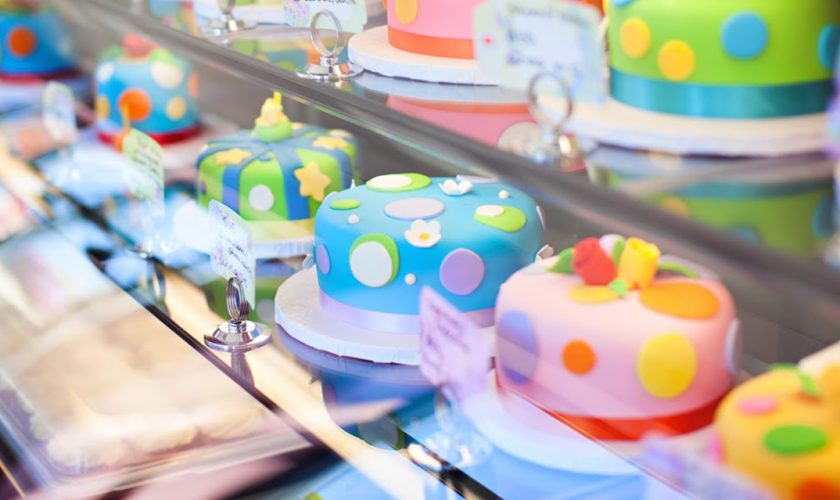
  • Fondant and Sculpted Cakes: Smoothly enveloped in pliable fondant, these cakes become masterpieces fit for formal occasions and personalized celebrations.

  • Cheesecakes: Dense, creamy, and often adorned with fruit compotes, cheesecakes offer indulgent yet sophisticated alternatives.

  • Cupcakes and Petit Fours: These individual-sized delights blend convenience with visual charm, suitable for everything from casual gatherings to elegant affairs.

  • Inclusive Variants: Vegan, gluten-free, and reduced-sugar cakes reflect the growing demand for balanced indulgence that respects well-being and dietary needs.

The Science and Craftsmanship of Cake Making

Producing the perfect cake requires scientific precision to balance leavening agents, moisture retention, and mixing techniques, resulting in textures varying from airy and moist to rich and dense. Decorating such creations is an artform in itself, involving skilled piping, color layering, sugar artistry, and thematic cohesion that transforms cakes into stunning centerpieces conveying both taste and story.

Tradition Meets Innovation: A Vibrant Culinary Dialogue

Bakery and cake crafts are deeply anchored in centuries-old traditions—French patisseries, rustic Italian breads, and Middle Eastern sweets provide a rich heritage of techniques and regional flavors. These traditions offer essential foundations while fostering reverence for the craft.

Simultaneously, a spirit of innovation infuses contemporary bakers’ work. The integration of superfoods, novel sweeteners, alternative grains, and sustainable sourcing practices propels bakery and cake into new gastronomic realms. This dynamic interplay ensures these culinary arts remain timeless yet vibrantly relevant.

Emotive Power and Social Connection Through Bakery and Cake

The sensory experiences associated with bakery and cake—the warmth of fresh bread, the visual appeal of a decorated cake, the comforting taste of a familiar pastry—forge profound emotional links. These foods punctuate daily life and mark significant milestones, weaving nourishment with memory and community.

Custom cakes often tell personal or cultural stories, transforming occasions into intimate, shared experiences. The act of baking and sharing these masterpieces nurtures social bonds and fosters moments of collective joy that transcend tastes.

How to Choose the Ideal Bakery and Cake

Selecting the right bakery or cake for everyday enjoyment or significant celebration calls for discerning several vital factors:

  • Ingredient Quality: Trust bakeries that source fresh, local, and—where possible—organic ingredients, guaranteeing peak flavor and nutritional integrity.

  • Artisanal Expertise: Skilled bakers translate simple components into intricate flavor profiles enhanced by elegant presentation.

  • Customization and Collaboration: The best bakeries engage clients closely, tailoring designs and recipes to meet aesthetic desires and dietary requirements.

  • Inclusivity: Offering gluten-free, vegan, and allergen-aware options without sacrificing quality speaks to modern culinary responsibility.

  • Consistent Reputation: Positive word-of-mouth, reviews, and referrals verify reliable taste and service excellence.

Conclusion: Bakery & Cake as Timeless Symbols of Craft, Celebration, and Connection

Bakery and cake artfully merge heritage, technical mastery, and creative imagination, coloring both everyday life and landmark events with sweetness, elegance, and joy. Each loaf and cake reflects dedication, innovation, and the deep human impulse to share and delight.

By revering craftsmanship and embracing progress, we preserve a rich culinary heritage that continues to nourish and connect across generations. Whether savoring a rustic loaf with morning coffee or unveiling a captivating wedding cake, bakery and cake remain enduring emblems of artistry, warmth, and community—bringing beauty, flavor, and happiness to tables, one exquisite bite at a time.

read more
Bakery & Cake

The Elegance of Bar & Wine: Crafting Memorable Experiences of Taste and Culture

The worlds of bar and wine intertwine to create refined spaces where social connection, sensory pleasure, and cultural storytelling come alive. More than just places or drinks, bars and wines embody centuries of tradition, artistry, and innovation. They offer journeys—each glass poured and cocktail crafted invites exploration, celebration, and communal enjoyment. Whether steeped in urban sophistication or nestled in vineyard tranquility, the bar and wine experience is a harmonious blend of craftsmanship, education, and ambiance. This article uncovers the multifaceted world of bar and wine culture, exploring its core principles, evolving trends, and the nuances that elevate it from mere refreshment to an elegant art form.

Defining the Bar & Wine Experience: A Fusion of Craft and Community

A bar is far more than a physical venue; it is a curated environment designed to foster social engagement, relaxation, and discovery through expertly prepared beverages. Wine, with its rich heritage, offers a multi-layered sensory journey—from grape to glass—reflecting terroir, vintage, and the human touch of winemakers. Together, bars and wine bars create immersive experiences that satisfy the palate while nurturing the spirit of conviviality.

Modern bar culture balances ambience, hospitality, and beverage excellence. It draws guests into a world where every sip beckons curiosity and every interaction builds connection. Wine culture, in particular, educates and inspires, inviting patrons to explore diverse varietals, regions, and pairing possibilities.

Pillars of an Exceptional Bar & Wine Culture

Creating a memorable bar and wine experience requires attention to several vital elements:

Expertly Curated Beverage Selection

  • Diverse Wine Offerings: A thoughtfully curated wine list comprises reds, whites, rosés, sparkling wines, and fortified varieties that span global regions and styles, appealing to a broad range of tastes.

  • Craft Cocktail Innovation: Cocktails blend time-honored techniques with modern creativity, employing high-quality spirits, fresh ingredients, and balanced flavor profiles to delight guests.

  • Staff Expertise: Knowledgeable bartenders and sommeliers who guide guests through selections and suggest ideal pairings enhance engagement and deepen enjoyment.

Ambiance and Atmosphere

  • Visual Harmony: Lighting, décor, music, and seating arrangements coalesce to create inviting, comfortable spaces that complement the drinking experience.

  • Social Design: Layouts encourage effortless conversation and flow, balancing intimate nooks with lively social hubs.

  • Sensory Detail: Thoughtful choices—from glassware and garnish presentation to the aroma of ingredients—amplify enjoyment and sensory immersion.

Skilled and Thoughtful Hospitality

  • Personalized Service: Warm, informed bartenders and sommeliers cultivate rapport, making guests feel valued and helping them discover new favorites.

  • Storytelling: Sharing the origins of wines and cocktails or insights about producers enriches the guest experience, weaving narratives that connect people to place and process.

  • Precision: Careful attention to serving temperatures, glass cleanliness, and impeccable timing reflects a dedication to quality.

Sustainability and Ethics

  • Responsible Sourcing: Partnering with vineyards and spirit producers who prioritize organic, biodynamic, or sustainable practices shows environmental stewardship.

  • Waste Reduction: Using eco-friendly barware and minimizing single-use plastics aligns business operations with values important to modern consumers.

The Evolving Role of the Bar in Wine Appreciation

Wine bars have grown as cultural hotspots, transforming wine from an exclusive luxury into a shared, accessible passion. These venues curate selections that tell stories of terroir and craftsmanship in casual, elegant settings. By hosting tastings, pairing dinners, and educational events, wine bars foster community and curiosity, inviting novices and connoisseurs alike to experience the diversity of the grape.

The bar and wine landscape continues to evolve, influenced by changing tastes, lifestyles, and technological advances:

  • Natural and Orange Wines: The rise of minimally processed wines offers vibrant, distinctive flavors, capturing the interest of adventurous drinkers.

  • Low-ABV and Alcohol-Free Options: Expanding wellness trends drive demand for sophisticated beverages with lower or no alcohol content without compromising taste or style.

  • Seasonal and Signature Cocktails: Crafting drinks around seasonal produce and themes sustains freshness and local relevance.

  • Digital Integration: QR-code menus, app-based ordering, digital wine lists, and virtual tastings enhance convenience and broaden outreach.

  • Sustainable Practices: Embracing regenerative agriculture and reducing carbon footprints in selections and operations meet rising consumer expectations.

Pairing Artfully: Elevating Dining Through Wine

Wine pairing is a celebrated skill that deepens culinary experiences. Sommeliers and bartenders craft harmonious matches of food and wine by balancing acidity, tannins, sweetness, and flavor profiles. Successful pairing heightens flavors on both plate and palate, inviting guests to savor meals as fully integrated multisensory journeys.

Creating an Unforgettable Bar & Wine Experience

Delivering excellence in bar and wine service involves deliberate commitment to detail and passion:

  • Continuous Staff Education: Regular training ensures bartenders and sommeliers remain knowledgeable, confident, and able to guide guests effectively.

  • Thoughtful Curation: Balancing popular wines and cocktails with unique, lesser-known options fuels exploration while ensuring broad appeal.

  • Inviting Design: Functional yet elegant bar layouts promote lively interaction and efficient service, enhancing ambiance.

  • Engaging Narratives: Imbuing each offering with stories of origin, crafting, and culture creates emotional resonance.

  • Quality Control: Maintaining optimal storage, serving conditions, and glassware standards preserves the integrity of wines and cocktails.

Conclusion: Bar & Wine as Rituals of Culture, Craft, and Connection

The realms of bar and wine encompass far more than beverages—they are vibrant celebrations of heritage, creativity, and social bonds. Through curated selections, expert service, and immersive storytelling, bars transform the simple act of drinking into an artful, shared experience.

Whether savoring a delicately balanced cocktail in a bustling city lounge or unwinding with a glass of rare vintner’s selection in an intimate wine bar, guests engage with tradition, innovation, and each other. By honoring the past and welcoming the new, bar and wine cultures continue to evolve as cherished spaces where flavor, culture, and community elegantly unite in harmonious celebration.

read more
Bakery & Cake

The Art and Soul of Bakery & Cake: A Celebration of Craftsmanship and Delight

Bakery and cake represent a captivating fusion of tradition, artistry, and sensory pleasure—transforming simple ingredients into expressions of warmth, celebration, and creativity. More than mere foodstuffs, these baked goods embody cultural legacies and moments of joy, from the daily comfort of a crusty bread to the exquisite centerpiece of a bespoke cake at life’s milestones. This article offers a refined and original exploration of the evolving world of bakery and cake, highlighting the mastery behind their creation, their innovative spirit, and the emotional connections they forge.

The Bakery: Where Science Meets Artistry

A bakery is far more than a place to buy bread—it is a sanctuary of skill and science. Bakers command deep knowledge of fermentation, gluten development, baking temperatures, and dough handling, applying these principles with intuitive craftsmanship. The interplay between precise technique and creative flair shapes breads, pastries, and confections that delight in flavor, texture, and appearance.

Bakeries serve as vital community hubs, greeting the day with the inviting aroma of fresh loaves and pastries. They provide staples like crusty sourdough, buttery croissants, and flaky danishes while also crafting seasonal specialties and regional favorites that enrich cultural festivities and personal celebrations.

Mastery in Every Loaf

The character of a loaf comes from the careful balance of hydration, fermentation time, folding technique, and oven environment. Expert bakers adjust these variables meticulously to achieve distinct textures—from tangy, chewy sourdough to tender, pillowy brioche and delicately layered croissants. Modern bakeries increasingly incorporate ancient grains, gluten-free alternatives, and inventive flavor infusions to meet diverse tastes while honoring tradition.

Cakes: Edible Stories Embodied in Sweetness

Cakes are much more than desserts—they are edible artworks and focal points of joy, identity, and expression. Whether marking birthdays, weddings, holidays, or cultural celebrations, cakes are crafted to tell stories through flavor, structure, and design.

Exploring Cake Varieties

  • Layered Cakes: Soft sponges layered with buttercream, ganache, or fruit preserve create versatile canvases for creativity and elegance.

  • Fondant and Sculptural Cakes: Smooth, pliable fondant covers allow intricate, personalized decorations ideal for formal occasions.

  • Cheesecakes: Rich and creamy, often topped with fresh fruit or compotes, providing luxurious texture contrasts.

  • Cupcakes and Petit Fours: Petite, artful portions perfect for social gatherings or gifts.

  • Dietary-Inclusive Cakes: Vegan, gluten-free, and sugar-light cakes reveal how indulgence can harmonize with dietary awareness.

The Craft of Cake Baking and Decoration

Creating a memorable cake requires scientific precision—balancing leavening, moisture, and mixing techniques to attain desired textures—from moist and airy to dense and rich. Cake decorating is an art rooted in skillful piping, color theory, sugar artistry, and storytelling, transforming cakes into stunning focal points that evoke emotion before the first bite.

Tradition and Innovation: A Dynamic Balance

Bakery and cake evolve through a dance between honoring deep-rooted culinary traditions and embracing innovation. Drawing upon legacies such as French patisserie, Italian rustic breads, and Middle Eastern sweets, artisans preserve and celebrate history.

At the same time, modern creativity flourishes with the incorporation of superfoods, alternative sweeteners, and sustainable practices like organic sourcing and waste reduction. This synergy ensures bakery and cake remain vibrant and relevant to contemporary palates and ethical values.

Emotional Connections: Nourishing Body, Mind, and Soul

The sensory treasures of bakery and cake—the smell of freshly baked bread, the visual allure of an artful cake, the comforting taste of a well-loved pastry—forge powerful emotional links. These foods punctuate the rhythm of everyday life and encapsulate life’s milestones, intertwining nourishment with memory, tradition, and communal warmth.

Custom cakes often embody personal and cultural narratives, turning celebrations into intimate shared experiences. Baking and sharing these creations foster social bonds, creating lasting memories far beyond the dining table.

Choosing the Perfect Bakery and Cake

Selecting bakery products or cakes that fulfill expectations involves discerning several key factors:

  • Ingredient Quality: Opt for bakeries committed to fresh, locally sourced, and where feasible organic ingredients to ensure peak flavor and ethical standards.

  • Masterful Craftsmanship: Experienced bakers combine technical proficiency with creativity to produce complex, balanced flavors and exquisite presentation.

  • Customization and Collaboration: The best bakeries engage closely with clients to realize bespoke visions while accommodating dietary needs.

  • Inclusivity: Gluten-free, vegan, and allergen-aware options without compromise bridge taste and wellness.

  • Reputation and Consistency: Positive referrals assure quality and reliable service.

Conclusion: Bakery & Cake as Timeless Emblems of Craft and Celebration

Bakery and cake stand as enduring symbols of tradition, craftsmanship, and imagination—arts that sweeten both quotidian routines and life’s grand celebrations. Each loaf and cake carries stories of dedication, creativity, and shared joy.

By valuing the artistry and emotional resonance rooted in each creation, we uphold a rich culinary heritage that delights the senses and connects generations. From rustic bread mornings to extraordinary celebration cakes, bakery and cake remain timeless beacons of warmth, artistry, and communal happiness—bringing beauty and delight to tables, one exquisite bite at a time.

read more
Bakery & Cake

The Artistry of Bakery & Cake: Tradition, Innovation, and Delight in Every Bite

Bakery and cake represent a timeless celebration of craftsmanship, culture, and culinary artistry. Beyond their role as food, they are expressions of creativity and heritage that evoke warmth, joy, and connection. Whether it’s the comforting aroma of freshly baked bread welcoming the morning or the exquisite design of a bespoke cake marking life’s milestones, bakery and cake enrich our daily rituals and moments of celebration alike. This article offers a fresh, elegant exploration of the world of bakery and cake, highlighting the meticulous skills involved, the fusion of tradition and innovation, and the cultural and emotional significance they carry.

The Bakery: Mastery at the Intersection of Science and Art

A bakery transcends the image of a simple shop. It is a creative atelier where fundamental ingredients—flour, water, yeast, sugar, butter—undergo transformation guided by skilled hands and scientific understanding. Baking demands precise control over fermentation, gluten development, temperature, and timing, balanced by intuition and artistic flair.

Bakeries are community cornerstones. They provide everyday staples like crusty sourdough and flaky croissants that anchor our routines, while seasonal and festive specialties punctuate cultural traditions and personal milestones. Each loaf or pastry tells a story of dedication, method, and local flavor.

The Science Behind the Perfect Loaf

Every loaf of bread is a carefully calibrated balance—hydration levels, fermentation times, folding techniques, and baking conditions converge to craft texture, flavor, and crust. Master bakers tweak these parameters to create diverse products, from tangy, chewy sourdoughs to rich, tender brioche or delicately layered croissants. Contemporary bakeries also embrace rising dietary trends, offering gluten-free alternatives, ancient grain creations, and inventive flavor blends that respect heritage while catering to modern palates.

Cakes: Edible Stories of Celebration and Creativity

Cakes hold a special place as edible art and the centerpiece of celebration. From birthdays and weddings to cultural festivities, cakes encode messages of joy, identity, and imagination in their flavors, textures, and designs.

A World of Cake Styles

  • Classic Layer Cakes: Soft, airy sponges layered with buttercream, ganache, or fruit preserves provide versatile foundations for endless creativity in flavor and decoration.

  • Fondant and Sculpted Cakes: Smooth, pliable fondant allows for intricate, vibrant designs that personalize celebrations with elegance and thematic expression.

  • Cheesecakes: Velvety, often fruit-topped, cheesecakes offer a rich textural and flavor contrast to traditional cakes.

  • Cupcakes and Petit Fours: Small, visually charming portions perfect for varied gatherings or gifts.

  • Inclusive Options: Vegan, gluten-free, and reduced-sugar cakes represent the harmony of indulgence with health-conscious and ethical considerations.

The Craft and Chemistry of Cake Making

Successful cake-making requires mastery of ingredient chemistry and baking science—balancing leavening agents, moisture retention, and mixing techniques to achieve the desired crumb and texture. Decorating cakes blends artistic skills—piping, color theory, sugar work—with storytelling, creating edible focal points that captivate before the first bite.

Tradition Meets Innovation: The Dynamic Dance

Bakery and cake arts sit at the crossroads of preserved tradition and inspired innovation. Rooted in deep cultural legacies—French patisseries, Italian rustic breads, Middle Eastern sweets—these crafts honor centuries of knowledge.

Simultaneously, modern bakers and cake artists innovate by incorporating superfoods, ancient grains, alternative sweeteners, and eco-conscious sourcing. Sustainable practices like organic ingredients and waste reduction echo today’s ethical values, ensuring bakery and cake remain relevant and vibrant.

Emotional Connection and Social Significance

The sensory joys of bakery and cake—the smell of fresh bread, the sight of a beautifully adorned cake, the taste of familiar treats—evoke nostalgia and build emotional bonds. These delights accompany everyday moments and momentous occasions, intertwining nourishment with comfort, memory, and community.

Custom cakes embody personal and cultural narratives, transforming celebrations into meaningful shared experiences. Baking and sharing these creations nurture social warmth, forging lasting memories beyond the palate.

Choosing a Bakery and Cake: What to Look For

Selecting the perfect bakery or cake for everyday pleasure or special events involves discerning key qualities:

  • Ingredient Excellence: Trusted bakeries prioritize fresh, locally sourced, and often organic ingredients to ensure optimal flavor and quality.

  • Artisanal Expertise: Experienced bakers elevate simple components into complex flavor profiles paired with aesthetic distinction.

  • Customization and Collaboration: Successful bakeries partner closely with clients, customizing designs while accommodating dietary restrictions.

  • Inclusive Offerings: Gluten-free, vegan, and allergen-conscious options that maintain taste and texture quality are essential for diverse clientele.

  • Reputation and Consistency: Positive reviews and word-of-mouth guarantee reliability and an exceptional experience.

Conclusion: Bakery & Cake as Timeless Expressions of Art and Connection

Bakery and cake are exquisite expressions of culinary tradition, technical mastery, and creative imagination. They enrich our daily lives and celebrate significant moments with sweetness, elegance, and heartfelt craftsmanship. Each loaf and cake embodies the dedication and passion of artists who honor heritage and embrace innovation.

By appreciating their artistry and emotional resonance, we keep alive a rich culinary legacy that delights the senses and connects generations. From rustic morning breads to spectacular celebration cakes, bakery and cake remain enduring symbols of warmth, artistry, and communal joy—bringing beauty and happiness to every table, one exquisite bite at a time.

read more
Bakery & Cake

Custom Birthday Cakes London: Unique Designs for Every Celebration

Custom Birthday Cakes in London

Custom birthday cakes in London provide an ideal way to make any celebration special. They offer a unique touch that can’t be found in pre-made cakes, with options for personalisation and bespoke designs tailored to the individual’s preferences.

Benefits of Bespoke Birthday Cakes

Bespoke birthday cakes allow for a unique and personalised touch to any celebration. Unlike standard cakes, these are crafted specifically for the person and event, allowing for detailed customisation in both design and flavour. This means you can include special messages, favourite colours, or themes that reflect the personality of the birthday celebrant.

Quality and freshness are top priorities. Cakes by Robin, for instance, ensures their creations are made from the freshest ingredients and baked to order, resulting in a truly unforgettable cake. Freshness translates to better taste and texture, enhancing the overall experience of the celebration.

Adaptability to dietary needs is another benefit. Bakeries like Adams Cakes can cater to specific dietary requirements, such as gluten-free or vegan options, ensuring that everyone at the celebration can enjoy a slice.

Selecting the Perfect Cake

Size and shape are essential considerations. Determine the number of guests to decide the appropriate size of the cake. Cake & Bakes offers a variety of shapes and sizes, from classic round cakes to more elaborate sculpted designs, fitting any number of guests and styles.

Flavour should match the tastes of the birthday person. Popular options include chocolate, vanilla, and red velvet, but bespoke services allow for more unique flavours.

Design elements like colour, theme, and decorations are crucial. Many London bakeries, such as Cutter & Squidge, create beautiful handmade cakes with intricate designs that can be tailored to anything from a favourite movie character to a simple elegant design.

Delivery options should also be considered, especially for last-minute orders or large cakes. Services like Cakes & Bakes offer convenient delivery across London, ensuring your cake arrives fresh and on time.

By considering these factors, one can ensure the cake is a perfect fit for the celebration. Personalised and bespoke cakes in London bring an exquisite touch to any special day, making the event memorable.

Designing Your Bespoke Cake

Creating a custom birthday cake in London involves careful planning and creativity. Below are the key aspects to consider to ensure that your cake is both visually stunning and meaningful.

Incorporating Personal Touches

Adding personal touches to a bespoke cake makes it truly unique. Consider starting with the recipient’s interests and hobbies. For instance, if they love gardening, incorporate fondant flowers and edible soil details. Photos can also add a personal touch; some bakeries offer the option to include a printed edible image on the cake, creating a memorable centrepiece.

You can also add custom messages or names with edible gold or silver lettering. Hand-painted designs using edible colours can make the cake stand out.

These personal additions transform a simple cake into a piece of art that reflects the recipient’s personality, making the celebration even more special.

Themed Cakes for Special Occasions

Themed cakes add excitement to any event. Whether it’s for children’s birthday parties, milestone anniversaries, or themed parties, aligning the cake with the event’s theme enhances the overall experience. Popular themes include superheroes, princesses, and favourite TV shows or movies. Bakers can create detailed figures and scenes entirely out of sugar and fondant, offering a visually engaging dessert.

For adults, themes could range from elegant and classic designs to hobby-based themes like sports or travel. Bakers often use a mix of different cake decorating techniques, including hand-painting, sculpting, and airbrushing, to bring these themes to life.

Choosing a theme that resonates with the occasion or the person makes the cake not only a treat but also a central part of the celebration.

A Guide to Cake Flavours and Sizes

When ordering a custom birthday cake in London, it’s important to consider both the flavours and sizes to ensure the cake meets your needs and preferences. This guide will help you navigate these decisions effectively.

Choosing Your Flavours

Selecting the right flavours can make a significant difference in how enjoyable your cake is. Popular options include classic vanilla, rich chocolate, red velvet, and carrot cake. Each flavour can be paired with various fillings such as buttercream, ganache, and fruit preserves. Customisation is key, allowing for unique combinations that suit personal tastes.

For example, cakes by Cakes by Robin offer a variety of flavour options made with fresh ingredients. Creative choices might involve incorporating biscoff, passionfruit, or lavender flavours for a more exotic touch. For children’s cakes, consider fun flavours like cookies and cream or rainbow cake to delight young guests.

Understanding Portion Sizes

Portion sizes are essential to ensure that every guest gets a satisfying piece. Cakes are usually measured by their diameter, and you’ll need to match the size to the number of guests. Here’s a quick guide:

Cake Size (inches) Servings (approx)
6 10-12
8 20-24
10 30-38
12 40-50

Always consider the number of layers, as multi-tiered cakes can offer more servings. For larger parties, opting for multi-tiered or larger cakes ensures everyone gets a delicious slice. Designer Cakes of London offers various sizes to cater to different event scales, whether intimate gatherings or bigger celebrations.

This guide provides a strong foundation for making an informed decision about your custom cake’s flavour and size, ensuring you receive a beautiful and delectable centrepiece for your celebration.

Cake Decoration and Customisation

Cake decoration and customisation offer a way to match cakes to any celebration. From elaborate novelty cakes to simple, elegant designs, there’s something for everyone. The decoration of a cake often includes intricate details that can be tailored to the client’s preferences.

From Novelty to Classic Designs

Cake design can range from whimsical novelty cakes to classic, elegant tiered cakes. Novelty cakes usually feature playful themes, such as cartoon characters or hobbies, making them perfect for children’s birthdays. These cakes often involve bold colours and creative shapes.

Classic designs are more timeless and sophisticated. These cakes may include intricate piping, sugar flowers, or edible lace. These elements add a touch of elegance that suits more formal events.

Customisation options allow clients to specify everything from the flavour of the sponge to the type of filling and the final decorations. This ensures that every cake is freshly baked to the customer’s exact needs, providing a personal touch to any celebration.

The Art of Cake Decoration

The art of cake decoration involves meticulous attention to detail. Professional bakers use various techniques to create stunning visuals. Piping is a popular method, often used to add intricate patterns or floral designs with icing. Fondant is another material frequently used, allowing for smooth surfaces and sculpted elements.

Decorations like edible glitter, sugar beads, and hand-painted details add to the beauty of a custom cake. These elements require skilled hands and a creative eye.

Tiered cakes are especially popular for large gatherings. These cakes require precise stacking and support structures to maintain stability and aesthetic appeal. Each tier can be customised with different flavours and decorations to create a diverse but cohesive look.

Through these skills, bakers bring imagination to life, making each cake a unique piece of edible art.

Placing Your Order and Delivery

Ordering a custom birthday cake in London involves choosing the design and confirming the delivery details. Customers can personalise their cake and then select the most convenient delivery options.

How to Order Your Custom Cake

To order a custom cake, start by browsing the available designs on the bakery’s website. Many bakeries, like Cakes by Robin, offer a variety of themed cakes.

Once you choose a design, you can usually personalise it with a message or additional decorations. Fill out the order form with your details, and specify any dietary requirements or preferences.

Some bakeries, such as KaliKakery, also accept custom orders via phone or email. Payment is typically completed online, though some places might accept in-store payments if you opt to pick up the cake.

Delivery Options and Coverage

Most London bakeries offer convenient delivery services. Freddies Cakes delivers across all London postcodes within the M25. This ensures widespread coverage for those celebrating in the city.

Many bakeries ensure the cake is baked to order, ensuring freshness upon delivery. You can also arrange for a specific delivery date and time, which is ideal for coordinated celebrations.

Some bakeries also allow for cake collection. For instance, Book A Cake provides both delivery and pick-up options for flexibility. This can be especially useful if you need last-minute adjustments or prefer to avoid delivery fees.

Showcasing Our Creations

Our custom birthday cakes in London are designed with creativity and precision. Explore client feedback and stunning cake designs that make every party unforgettable.

Client Stories and Feedback

Clients often share their experiences on Instagram and other social media platforms. Their positive feedback highlights the artistry and taste of our cakes. One family praised the intricate design of a superhero cake that made their son’s birthday memorable.

Reviews and Testimonials:

  • “The cake was the highlight of our party!”
  • “Beautiful designs and delicious taste.”

Repeatedly, clients commend the attention to detail and customisation possibilities available. These stories emphasise how each order is more than just a cake—it’s a centrepiece for the celebration.

Cake Portfolio Highlights

The gallery of our creations showcases an extensive range of designs suited for various events. Signature cakes include colourful birthday cakes, elegant wedding cakes, and unique novelty cakes.

Popular Designs:

  • Princess-themed birthday cakes.
  • Vintage-inspired wedding cakes.
  • Animal-shaped novelty cakes.

Each cake is crafted to not only look spectacular but also provide an unforgettable taste experience. Our portfolio underlines the versatility and skill in creating cakes that match the unique themes and desires of our clients. This range of designs ensures every party or event is truly special.

read more
Bakery & Cake

Mastering the Art: The Ultimate Guide to Cake Frosting Techniques and Recipes

A beautifully frosted cake is the crowning glory of any dessert table, and mastering the art of cake frosting opens up a world of creative possibilities. In this ultimate guide, we’ll delve into various frosting techniques and share delectable recipes that will elevate your cakes to new heights.

1. Buttercream Basics: The Foundation of Frosting

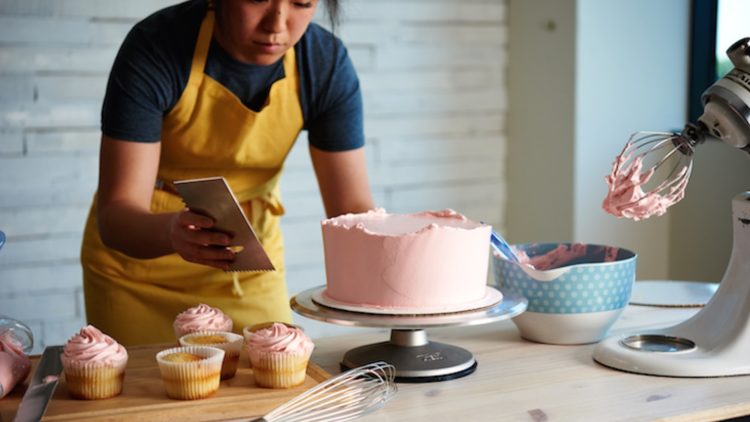
Buttercream is a classic and versatile frosting that serves as the foundation for many cake creations. The primary ingredients – butter, powdered sugar, and vanilla extract – come together to create a luscious and smooth texture. The key to perfect buttercream lies in whipping it until it’s light and fluffy, resulting in a spreadable consistency that’s easy to work with.

2. Whipped Cream Wonder: Light and Airy Frosting

For a lighter and airier option, consider whipped cream frosting. Made with heavy cream, sugar, and vanilla extract, this frosting is delicate and pairs wonderfully with fruity cakes. Whip the cream until stiff peaks form, and be cautious not to overmix to maintain its airy texture. This frosting is ideal for those who prefer a less sweet option.

3. Cream Cheese Dream: Tangy and Rich Frosting

Cream cheese frosting adds a delightful tanginess to your cakes and is particularly popular with carrot cakes and red velvet creations. The combination of cream cheese, butter, powdered sugar, and vanilla extract results in a rich and creamy texture. Ensure that the cream cheese and butter are softened but not melted for the perfect consistency.

4. Fondant Finesse: A Smooth and Elegant Finish

Fondant is a smooth and pliable frosting that provides a polished and elegant finish to cakes. Made from sugar, water, and gelatin, fondant can be rolled out and draped over the cake for a flawless appearance. It serves as a blank canvas for intricate decorations and is especially favored for special occasions like weddings.

5. Ganache Glamour: Rich and Decadent Chocolate Frosting

For chocolate lovers, ganache is the epitome of indulgence. Made with chocolate and heavy cream, ganache can be poured over cakes for a glossy finish or whipped to create a fluffy frosting. Adjust the ratio of chocolate to cream to achieve your desired consistency – a higher chocolate ratio results in a firmer ganache, perfect for filling and coating.

6. Piping Perfection: Decorative Techniques

Piping is a skill that can take your cake decoration to the next level. Invest in piping bags and various tips to create intricate designs, from classic rosettes and swirls to intricate lace patterns. Experiment with different tips to discover the endless possibilities for decorating your cakes with precision and flair.

7. Ombre and Watercolor Effects: Artistic Finishes

Give your cakes a trendy and artistic twist with ombre and watercolor frosting effects. For ombre, use varying shades of the same color to create a gradient effect. Watercolor involves blending different colors seamlessly for a soft, painterly appearance. These techniques add a modern and visually stunning element to your cake creations.

8. Flavor Infusions: Elevating the Taste

Don’t limit yourself to vanilla – experiment with flavor infusions to elevate your frosting. Add extracts, zests, or even liqueurs to complement the cake flavor. From citrus-infused buttercream to coffee-flavored ganache, incorporating unique flavors enhances the overall taste and makes your cakes memorable.

9. Storage and Transportation Tips

Once your cake is a masterpiece, ensure it stays that way during storage and transportation. Refrigerate cakes with perishable frostings like cream cheese or whipped cream. For buttercream and fondant-covered cakes, store in a cool, dry place. Use cake carriers for safe transportation, and consider assembling tiered cakes on-site for stability.

In conclusion, mastering the art of cake frosting involves understanding various techniques and experimenting with different recipes. Whether you opt for classic buttercream, explore fondant finesse, or embrace artistic watercolor effects, this guide provides the foundation for creating stunning and delicious cakes. Elevate your baking endeavors with these frosting tips and techniques, and let your creativity shine!

read more
1 2
Page 1 of 2