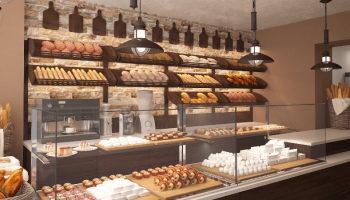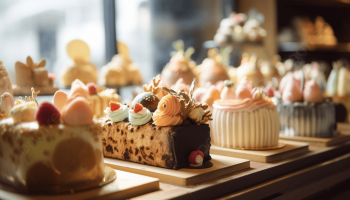
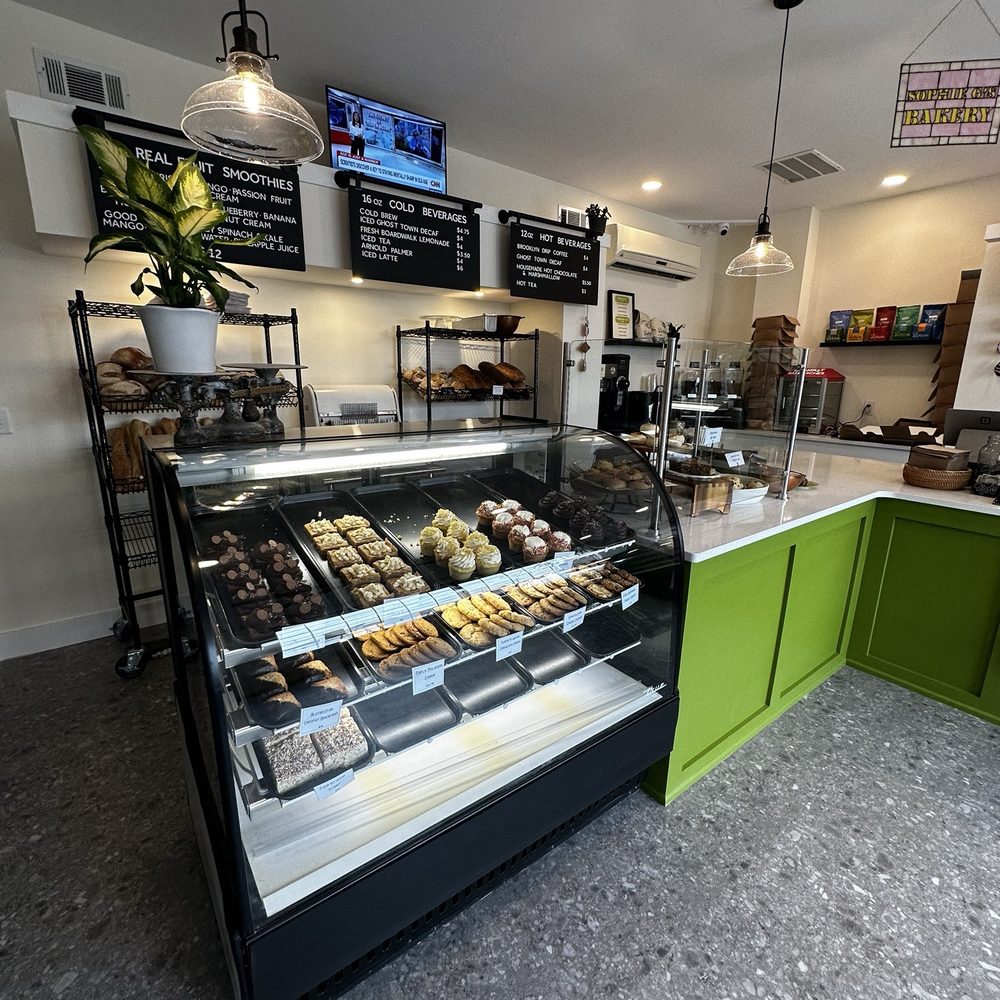
Walk into an independent neighborhood bakery early on a Tuesday morning, and the sensory cues remain reassuringly familiar. The air carries the bittersweet perfume of roasted coffee beans, the ambient warmth of deck ovens radiating across the floor, and the unmistakable aroma of caramelized sugar and toasted flour. In the display case, trays of pain au chocolat glisten under soft track lighting, their mahogany crusts fractured into paper-thin ridges. Next to them sit Meyer lemon tarts with mirror-smooth curds, cardamom buns woven into tight braids, and dark chocolate cookies pooled with molten centers.
A decade ago, you could reliably spot the plant-based options in this case without checking the labels. They were the dense, bran-heavy muffins lurking in the corner, dusted with turbinado sugar in a polite attempt to distract from their lack of moisture, or the crumbly shortbread that tasted faintly of nutritional yeast and raw coconut oil.
Today, that visual and tactile boundary has completely collapsed. The laminated croissant with the honeycomb interior and the shatteringly crisp exterior might contain zero grams of cow’s butter. The silky pastry cream filling the fruit tart was whisked without a single egg yolk. More telling still, the customer ordering that pastry often neither knows nor cares that it is vegan. They buy it because it happens to be the best pastry in the shop.
The arrival of plant-based baking in mainstream neighborhood bakeries represents something far more significant than a passing dietary fad. It marks a fundamental shift in how artisans understand food science, how small businesses manage community demand, and how modern eaters define indulgence.
Rethinking the Architecture of Pastry
Traditional French and European patisserie was never designed to be flexible. It was codified over centuries around a sacred trinity: butter, eggs, and refined wheat flour. In classic baking, dairy butter is not merely an ingredient; it is a structural engineer. Butterfat provides flavor, while water trapped in the fat creates steam during baking, pushing delicate layers of dough apart to yield puff and flake. Eggs serve as the kitchen’s ultimate multitaskers, acting simultaneously as emulsifiers, leaveners, moisture retainers, and structural scaffolding through coagulating proteins.
For years, early commercial attempts to replicate these dynamics without animal products relied on clumsy substitutions. Bakers swapped butter for generic vegetable shortening and replaced eggs with applesauce or mashed bananas. The results were predictably heavy, sticky, and laden with unwanted residual flavors. Shortening melted at a different temperature than butter, leaving an unpleasant waxy film on the roof of the mouth, while fruit purees produced dense cakes that fought against delicate spices.
The modern transformation began when pastry chefs stopped looking for one-to-one drop-in substitutes and started breaking baking down into its molecular components.
Instead of treating dairy butter as an indivisible monolith, contemporary bakers analyze its physical parameters: melting point, plasticity, moisture ratio, and solid-fat content. Today’s artisan bakeries work with tailored fat profiles. Blends of cold-pressed shea, deodorized coconut oil, and high-oleic sunflower oils are churned with fermented oat or cashew milk cultures to mimic the lactic acidity and exact crystalline structure of high-fat European butter. When folded into laminated doughs, these engineered plant fats behave with the same pliability on the sheeter, melting cleanly on the tongue at human body temperature rather than coating the palate.
The Chemistry of Lift and Emulsion
Replacing the structural and emulsifying power of the whole egg proved equally demanding, leading bakers to adopt functional ingredients once confined to modernist dining rooms.
The Rise of Plant Proteins
Aquafaba—the viscous liquid left over from cooking chickpeas—entered the baking vernacular nearly a decade ago, but its application has evolved from a home-kitchen parlor trick into a refined technical tool. Rich in saponins and dissolved proteins, it can be whipped into stable meringues that hold crisp peaks through low-temperature baking. When paired with modified potato starch or isolated faba bean protein, it forms a cohesive gel matrix that holds cakes together without masking the nuanced notes of Madagascar vanilla or fresh stone fruit.
Precision Moisture and Emulsification
The challenge of rich custards and ganaches lay in fat dispersal. Egg yolks contain lecithin, an organic emulsifier that binds water to fat. Modern pastry chefs achieve the same gloss and velvet mouthfeel by balancing sunflower lecithin with citrus fibers and pectin. A passionfruit curd made with oat cream, cocoa butter, and high-methoxyl pectin sets with clean edges on a pastry ring while melting instantly upon contact with the palate.
By mastering these chemical interactions, bakeries have removed the lingering stigma of sacrifice. The pastry is no longer an imitation; it is an accomplishment of culinary mechanics in its own right.
Who Is Actually Buying the Vegan Scone?
The commercial viability of plant-based treats in small-scale bakeries cannot be credited to strict vegans alone. Dedicated plant-based eaters remain a relatively small, albeit loyal, percentage of the general population. The explosive sales driving these items come from a much broader and more pragmatic demographic: flexitarians, lactose-intolerant adults, families navigating severe food allergies, and curiosity-driven food lovers.
Lactose intolerance affects an estimated 65 percent of the global adult population, including a significant portion of urban American consumers. For decades, ordering a morning pastry alongside a plant-milk latte meant accepting a digestive gamble. The availability of high-end dairy-free croissants and brioche has allowed millions of people to re-enter the traditional bakery experience without consequence.
Simultaneously, severe egg and dairy allergies among young children have turned family bakery visits into minefields. When a local shop standardizes high-quality vegan options, it becomes a safe destination for entire families. If three children visit a bakery and one has an egg allergy, the parents will direct the entire transaction to the shop that can safely feed everyone without making anyone feel singled out.
Then there is the sensory seeker. In competitive urban and suburban food scenes, pastry enthusiasts track bakeries through word-of-mouth and social feeds, hunting down exceptional laminated textures and innovative seasonal fillings. If a plant-based matcha kouign-amann delivers extraordinary crunch and buttery depth, it earns a cult following purely on its culinary merits. The dietary label becomes an afterthought, an interesting detail rather than a defining warning label.
Kitchen Logistics and Small-Batch Economics
For independent bakery owners operating on tight margins and restricted square footage, incorporating plant-based items requires tactical planning. A bakery kitchen is rarely spacious; prep tables are crowded, oven space is at a premium, and storage walk-ins are packed to the ceiling.
Bakers generally navigate this reality in one of two ways. Some operate dual production lines, designating separate mixers, proofing bins, and rolling pins to prevent cross-contact for allergy-conscious guests. Others, realizing the quality parity achievable with modern techniques, make a bolder choice: they convert standard menu items entirely to plant-based formulations without advertising it aggressively.
When a chocolate chip cookie, a fruit scone, or a seasonal focaccia can be made plant-based without sacrificing flavor or crumb structure, running a single formulation saves labor, prevents ingredient spoilage, and streamlines inventory. The baker purchases fewer dairy components, reduces the administrative load of tracking separate batches, and expands the potential audience for that specific item to 100 percent of the foot traffic walking through the front door.
Ingredient costs do present a hurdle. High-performance plant butters and isolated plant proteins currently command a premium over conventional wholesale dairy butter and commodity eggs. However, the extreme volatility of egg and dairy prices over recent years has changed that calculus. For small operators, the price stability of specialty plant-based ingredients offers predictability, offsetting what used to be a significant cost gap. Furthermore, consumers have proven willing to pay fair, artisanal prices for baked goods that meet their dietary needs without compromising on execution.
The Bakery as an Inclusive Community Anchor
The neighborhood bakery has always functioned as a neighborhood anchor—a “third place” outside the home and the workplace where brief, grounding human interactions occur every morning. When a bakery evolves to reflect the changing values and physical realities of its community, that social bond deepens.
Historically, restrictive diets have carried a subtle social friction. Eating with friends or colleagues often meant negotiating compromises or sitting empty-handed while others enjoyed a shared table. By making exceptional plant-based options a natural fixture of the daily lineup rather than an isolated, cellophane-wrapped concession, modern bakeries cultivate genuine hospitality. Hospitality, at its core, is the art of making everyone feel anticipated and welcome.
When an artisan baker treats plant-based pastry with the exact same rigor, respect, and craftsmanship applied to classical sourdough or traditional brioche, it sends a clear message to the neighborhood: dietary preferences and physical restrictions do not exclude you from pleasure, tradition, or craft.
The quiet triumph of plant-based pastry in the neighborhood case is not that it replaced tradition, but that it expanded it. The modern display case proves that indulgence does not belong to a single set of agricultural products. It belongs to technique, imagination, and the simple human joy of tearing into a fresh, warm, perfectly crafted pastry.