
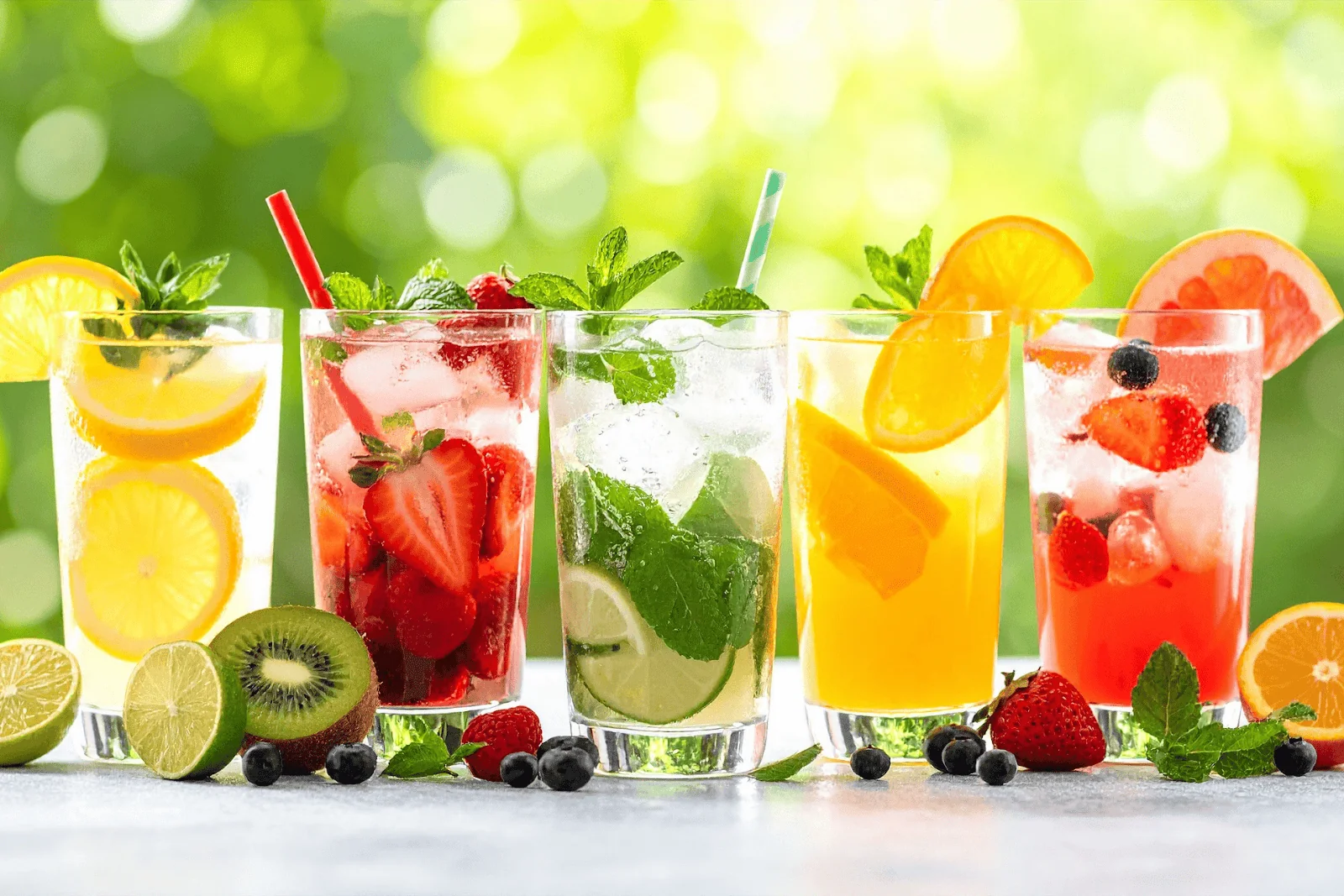
For years, non-alcoholic drink menus treated sobriety as a culinary compromise. If you opted out of alcohol at a high-end restaurant or cocktail lounge, the bartender usually steered you toward a hurried concoction of club soda, pineapple juice, and a splash of grenadine, or perhaps a sweet muddle of bruised mint drowned in commercial ginger beer. These drinks lacked intention, complexity, and above all, the balanced architecture of a genuine cocktail.
That dynamic has shifted completely. The modern beverage program now approaches zero-proof mixology with the same technical rigor applied to vintage spirits and barrel-aged amaros. Modern drinkers demand beverages that offer sensory engagement, dynamic acidity, aromatic depth, and a deliberate finish that lingers on the palate.
At the center of this movement lies botanical extraction. By capturing the volatile essential oils of herbs, edible flowers, roots, and spices inside concentrated syrups, home bartenders and professional mixologists can build complex, layered drinks that completely transcend the tired juice-and-soda paradigm.
The Architecture of Zero-Proof Balance
To craft a compelling alcohol-free cocktail, you must first understand the structural role that ethanol plays in traditional drinks. Alcohol is not merely an intoxicant; it is a powerful flavor solvent and a textural agent. It possesses viscosity, creates a warming sensation known as chemesthesis, and carries aromatic compounds directly to the olfactory receptors in the back of your throat.
When you remove spirits from a drink, the glass loses its structural spine. Watery thinness sets in, sweetness becomes cloying, and the liquid disappears from the tongue without leaving a lasting impression.
Overcoming this absence requires assembling four distinct pillars: viscosity, bright acidity, tannic astringency, and layered aroma. Botanical syrups solve two of these problems simultaneously. A properly formulated syrup provides the physical body that coats the palate, while the infused plant compounds release intricate aromatic top notes that mimic the complexity of distilled spirits.
The Science of Crafting Botanical Syrups
Extracting botanical essence into sugar syrup is an exercise in temperature control. Different plant tissues surrender their aromatic oils under very different thermodynamic conditions. Subject delicate leaves to excessive heat, and you end up with bitter, stewed compost; fail to apply enough heat to fibrous barks or roots, and the flavor remains trapped inside the plant cell walls.
Rich Simple vs. Standard Simple
In traditional cocktail work, standard 1:1 simple syrup—equal parts sugar and water by weight—is the everyday default. In craft mocktail production, however, a 2:1 rich simple syrup is vastly superior.
A two-to-one ratio yields a denser, more viscous liquid that mimics the heavy mouthfeel of 80-proof spirits. Furthermore, the higher concentration of sucrose lowers the water activity of the syrup, extending its refrigerator shelf life for months without the need for artificial preservatives. Most importantly, using a richer syrup means you can introduce substantial botanical flavor and body with a smaller volume of liquid, preventing your finished drink from becoming overly diluted when shaken or stirred over ice.
Cold Maceration for Resinous Herbs
Tender herbs like basil, tarragon, and mint, as well as resinous botanicals like rosemary and spruce, react poorly to prolonged boiling. High heat causes their bright monoterpenes to flash off while breaking down chlorophyll into dull, swampy flavor compounds.
For these aromatics, cold maceration or a rapid hot-steep method yields the cleanest extraction:
-
The Rapid Blanch: For leafy herbs like basil or mint, blanch the leaves in boiling water for five seconds, then plunge them into an ice bath. This deactivates polyphenol oxidase, the enzyme responsible for browning, locking in a vibrant emerald hue and a crisp, garden-fresh flavor before you blend the herbs into cold simple syrup and strain through a fine mesh.
-
The Oleo-Saccharum Technique: For woody herbs and citrus rinds, toss the fresh botanicals directly in dry granulated sugar and let them sit at room temperature for several hours. The hygroscopic sugar draws essential oils out of the plant cells via osmosis, creating an intensely aromatic botanical slurry before you add warm water to dissolve the crystals.
Gentle Decoction for Roots, Spices, and Barks
Tougher plant materials, such as dried angelica root, crushed juniper berries, cinnamon bark, or dried hibiscus calyces, require gentle simmering to break down fibrous lignin and release their water-soluble tannins. Simmer these ingredients in water over low heat for fifteen to twenty minutes before stirring in your sugar. This decoction process pulls out the underlying astringency and bitter bite that zero-proof drinks desperately need to simulate the throat-feel of an aged spirit.
Three Essential Botanical Syrups to Keep on Hand
Before mixing cocktails, prepare these three versatile house syrups. Each provides a distinct sensory palette: one woodsy and coniferous, one delicate and floral, and one tart and tannic.
Rosemary and Douglas Fir Syrup
This syrup channels the alpine, evergreen notes typically found in dry London gins.
-
1 cup water
-
2 cups granulated pure cane sugar
-
3 large sprigs fresh organic rosemary, lightly bruised
-
2 tablespoons culinary-grade dried Douglas fir needles or pine tips
-
1 wide strip lemon peel, pith removed
Bring the water to a boil in a small saucepan, then remove it from the heat. Add the bruised rosemary, fir needles, and lemon peel. Cover the pan and let the botanicals steep undisturbed for twenty-five minutes. Strain the fragrant infusion through a cheesecloth-lined sieve, pressing gently on the herbs. Return the infused warm liquid to the pan, add the sugar, and stir over gentle, low heat just until the sugar granules dissolve completely. Bottle, cool, and refrigerate.
Chamomile, Lavender, and Toasted Coriander Syrup
This blend delivers soft, golden honeyed notes paired with crisp citrus and floral undertones.
-
1 cup water
-
2 cups turbinado or raw Demerara sugar
-
3 tablespoons dried whole chamomile flowers
-
1 teaspoon culinary dried French lavender buds
-
1 teaspoon whole coriander seeds
In a dry pan, lightly toast the coriander seeds until fragrant, then crack them using a mortar and pestle. Bring the water to a rolling boil, shut off the flame, and stir in the toasted coriander, chamomile, and lavender. Keep the lid on the pot and steep for fifteen minutes; exceeding this time can pull out soapy notes from the lavender. Strain the liquid, stir in the raw sugar until dissolved, and chill.
Spiced Hibiscus and Sumac Syrup
Vibrant, deep ruby, and intensely tart, this syrup introduces natural tannins and a sharp, cranberry-like acidity.
-
1 cup water
-
2 cups granulated sugar
-
1/2 cup dried whole hibiscus flowers
-
1 tablespoon ground wild sumac
-
1/2 teaspoon whole pink peppercorns, lightly crushed
Combine the water, hibiscus, sumac, and pink peppercorns in a saucepan. Bring to a low simmer for ten minutes. The liquid will turn a luminous, opaque magenta. Remove from the heat, strain through a coffee filter or tight mesh to remove the fine sumac sediment, and stir in the sugar until clear.
Four Signature Craft Mocktail Formulations
With botanical syrups in your bar inventory, you can balance drinks with the same deliberate technique used by elite cocktail lounges.
1. The High Desert Collins
A refreshing, effervescent highball that balances piney botanicals with sparkling minerality and sharp citrus.
-
1.5 ounces Rosemary and Douglas Fir Syrup
-
1.0 ounce fresh Meyer lemon juice, fine-strained
-
2 drops twenty-percent saline solution (four parts warm water to one part sea salt)
-
4.0 ounces chilled Topo Chico or high-carbonation mineral water
-
Garnish: Charred rosemary sprig and an expressed lemon wheel
Combine the botanical syrup, fresh Meyer lemon juice, and saline solution in a cocktail shaker filled with solid ice cubes. Shake briskly for eight seconds to chill without over-diluting. Strain into a tall Collins glass packed with clear spear ice. Top slowly with the sparkling mineral water to preserve carbonation, and lift gently from the bottom with a bar spoon once to integrate. Light the tip of a fresh rosemary sprig with a kitchen match for three seconds, blow out the flame, and rest the smoking herb across the rim.
2. The Velvet Meadow Sour
A textural triumph that combines the calming florals of chamomile with rich, velvety foam and deep tannic grip.
-
1.0 ounce Chamomile, Lavender, and Toasted Coriander Syrup
-
0.75 ounce fresh lemon juice
-
1.5 ounces chilled, strong-brewed lapsang souchong or rooibos tea
-
0.75 ounce aquafaba (the strained liquid from canned chickpeas)
-
Garnish: Edible dried cornflowers or three drops of alcohol-free aromatic bitters
Combine all ingredients in a cocktail shaker without ice. Perform a dry shake for fifteen seconds; the friction and agitation allow the proteins in the aquafaba to unfold and trap micro-bubbles, building a dense foam. Open the shaker, fill it completely with cubed ice, and wet shake vigorously for another twelve seconds until the tin is frosty. Fine strain through a Hawthorne strainer and a tea mesh into a chilled coupe glass. The foam will rise to the surface, creating a pristine, two-toned head. Rest drops of bitters on the surface foam and pull a cocktail pick through them to create decorative swirls.
3. The Crimson Apertif Spritz
Modeled after traditional Italian aperitivo culture, this drink relies on the dry astringency of hibiscus and the biting effervescence of dry tonic water.
-
1.25 ounces Spiced Hibiscus and Sumac Syrup
-
1.0 ounce fresh pink grapefruit juice
-
0.5 ounce unsweetened pure cranberry juice
-
3.0 ounces premium Indian tonic water
-
Garnish: Dehydrated blood orange wheel and fresh rosemary
Fill a large stem glass or wine goblet to the brim with large cubed ice. Pour the hibiscus syrup, grapefruit juice, and unsweetened cranberry juice directly over the ice. Stir gently to chill the base. Pour the chilled tonic water down the twisted stem of a bar spoon to keep the effervescence intact. Give the drink one gentle fold from the bottom. Garnish with the dehydrated citrus wheel floating on the surface.
4. The Verdant Garden Swizzle
Herbaceous, crisp, and slightly savory, this drink captures the sensory experience of walking through an herb garden in late spring.
-
1.0 ounce cold-pressed English cucumber juice
-
1.0 ounce fresh lime juice
-
1.0 ounce Thai basil and black pepper syrup
-
2.0 ounces club soda
-
Garnish: Cucumber ribbon pinned to the inside of the glass and a sprig of Thai basil
Prepare the syrup ahead of time by blending blanched Thai basil and a half-teaspoon of cracked black peppercorn into cold 2:1 simple syrup, then straining clean. To build the drink, curl a thin cucumber ribbon around the inside walls of a double rocks glass, then pack the glass with finely crushed pebble ice. Add the cucumber juice, lime juice, and basil syrup. Insert a swizzle stick or bar spoon and spin it rapidly between the palms of your hands to churn the liquid with the crushed ice, creating a heavy frost on the outside of the glass. Top with club soda, pack a crown of extra crushed ice on top, and slap a fresh basil bouquet between your palms to release its aromatics before tucking it into the ice.
Secret Weapons of the Non-Alcoholic Bartender
While syrups and juices form the bulk of the drink, professional mocktail construction relies on tiny details to cross the line from good to unforgettable.
-
Saline Solution: Alcohol moderates sweet and bitter receptors on the tongue. Without it, syrups can taste heavy. Adding one or two drops of a twenty-percent saline solution suppresses harsh, sharp bitterness while rounding out sweet edges, making herbal and floral flavors pop with razor clarity.
-
Tannic Teas as Modifiers: When a recipe feels thin, swap standard water for cold-brewed unflavored black tea, hojicha, or genmaicha. The natural polyphenols in tea create a slight, pleasant drying sensation on the gums and tongue, replicating the sensory weight of wine tannins or oak aging.
-
Ice Density: Water-based drinks melt standard residential crescent-ice quickly, turning a balanced craft mocktail into cold, diluted sugar water in five minutes. Invest in silicone molds that produce solid, two-inch clear ice cubes or spears. Dense, clear ice melts slowly, preserving the drink’s intentional proportions down to the final sip.
Crafting sophisticated mocktails is not an exercise in subtraction. It is an art of intentional layering, where the botanical richness of the garden meets the precision of culinary science, resulting in a glass that honors the drinker with every single sip.