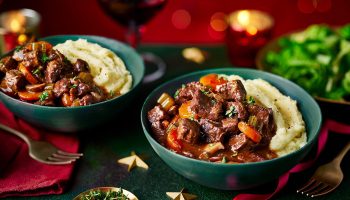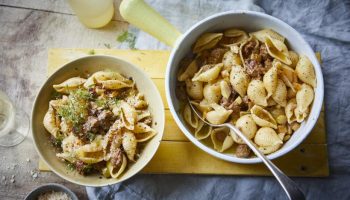
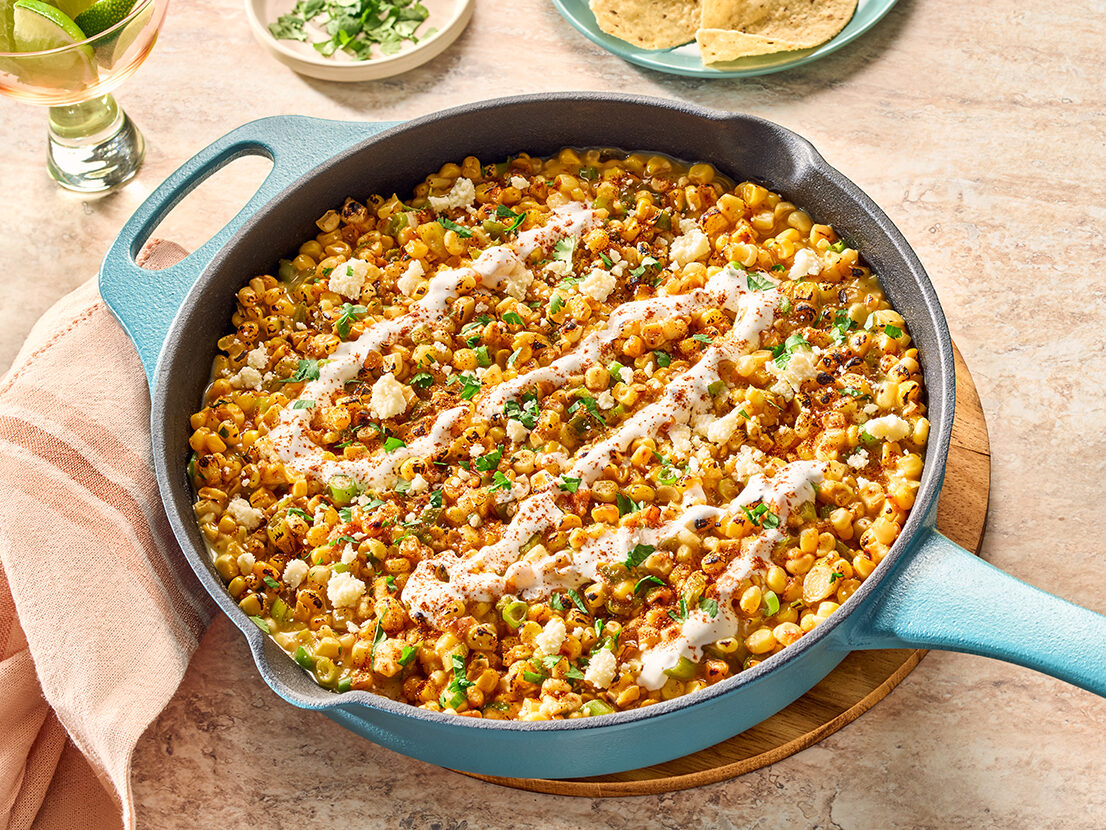
Recipes are the essential blueprints of cooking—a perfect fusion of science, tradition, and creativity that guides us in transforming simple ingredients into remarkable dishes. Yet, they are far more than mere instructions; recipes embody stories, culture, and personal expression. Whether passed down through generations, discovered in far-off lands, or innovated in modern kitchens, recipes connect us to a rich tapestry of flavor, history, and shared human experience. This article explores the timeless artistry behind recipes, their vital components, cultural significance, and how they encourage both precision and inventive freedom in cooking.
Recipes as Living Narratives of Culture and Taste
A recipe, at its core, is an instructional guide designed to deliver consistent, delicious results. However, the best recipes transcend this functional role—they evoke a sense of place, convey tradition, and invite creative adaptation. Each recipe tells a story shaped by geography, seasons, family legacy, and personal insight.
Recipes are dynamic, ever-evolving documents that absorb new influences, ingredients, and dietary considerations. This evolution fosters a lively dialogue between past and present, blending heritage with innovation and allowing cooks to both honor and reinterpret culinary legacies.
The Structure of an Effective Recipe
The power of a recipe lies in its clarity, engagement, and usability. Well-crafted recipes share common structural elements:
Engaging and Informative Titles
A thoughtful title sparks interest and hints at the dish’s essence—be it the origin, unique ingredient, or occasion it celebrates. This initial invitation frames the cooking journey and sets expectations.
Clear, Ordered Ingredients
-
Logical Sequence: Listing ingredients in the order they are used helps streamline cooking and avoids confusion.
-
Precise Quantities: Exact measurements with standardized units enable reliable replication.
-
Substitution Options: Alternatives adapt recipes for dietary needs and ingredient availability.
-
Ingredient Quality Tips: Notes on choosing the best produce or products enhance flavor and texture.
Stepwise, Accessible Instructions
-
Well-Broken Down Steps: Clear, chronological actions help cooks understand the workflow without feeling overwhelmed.
-
Techniques Clarified: Explanation of terms and methods makes recipes approachable to all levels.
-
Sensory Cues: Descriptions of aroma, texture, and appearance guide intuition beyond fixed timing or temperature.
Time Estimates and Yield Information
Providing realistic preparation and cooking times alongside servings helps with planning and portion control.
Presentation and Serving Suggestions
Ideas for plating, garnishing, and complementary side dishes enrich the dining experience and inspire creativity.
Nutritional and Variation Notes
When applicable, information on allergens, nutrition, and adaptation options supports inclusivity and experimentation.
Getting the Most from Recipes
Read Thoroughly Before Starting
Understanding every step beforehand ensures well-organized preparation and smooth execution.
Embrace Mise en Place
Arranging all ingredients and tools before cooking maintains efficiency, precision, and composure in the kitchen.
Customize Confidently
While following a recipe builds foundational skills, personal adjustments in seasoning, ingredient swaps, or technique foster culinary ownership and innovation.
Keep a Cooking Journal
Documenting adjustments, successes, and reflections sharpens expertise and encourages continuous learning.
Recipes as Cultural Legacy and Evolution
Recipes safeguard culinary identities, preserving distinctive flavours, techniques, and stories through time. They foster shared identity within communities and connect diverse cultures.
Yet recipes are not rigid relics; they evolve through health trends, sustainability awareness, and cross-cultural influences. This blend of tradition and transformation keeps recipes vibrant, relevant, and inspiring.
The Digital Age and the Recipe Landscape
Technological advances have dramatically reshaped how recipes are shared and created:
-
Rich Visual Aids: Step-by-step photos, videos, and interactive content enhance comprehension and engagement.
-
Community Interaction: Online reviews, user tweaks, and shared experiences contribute to collective learning and diversity of practice.
-
Smart Kitchen Integration: Apps and connected devices support precision, ease, and customization in cooking.
Despite new tools, eloquent, empathetic writing remains a crucial ingredient for successful and memorable recipes.
Creating Your Own Recipes: Crafting Personal Culinary Stories
For those inspired to devise original recipes, consider these best practices:
-
Thorough Testing: Repeated trials confirm clarity, consistency, and balance.
-
Audience Awareness: Tailor detail and tone for target audiences, from novices to experienced cooks.
-
Balanced Instruction: Provide comprehensive guidance without overwhelming readers.
-
Inject Personality: Anecdotes, troubleshooting tips, and serving suggestions cultivate human connection.
-
Utilize Visuals: Clear photographs or videos demystify complex steps and boost confidence.
Every recipe created becomes a new voice in the ongoing culinary conversation, sharing passion, wisdom, and hospitality.
Conclusion: Recipes as Invitations to Explore and Celebrate
Recipes are profound vessels, weaving together culture, science, art, and joy. They empower cooking as a creative, communal ritual—one that honours heritage while embracing innovation.
With intentional practice and open-mindedness, recipes guide us toward mastery, creativity, and connectedness. More than directions, they are invitations: to learn, to delight, and to share in a world united by the love of food and flavor.
Each recipe is a gateway—welcoming cooks to forge their unique path across the timeless and universal landscape of taste.