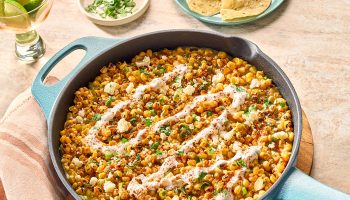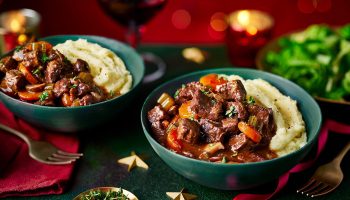
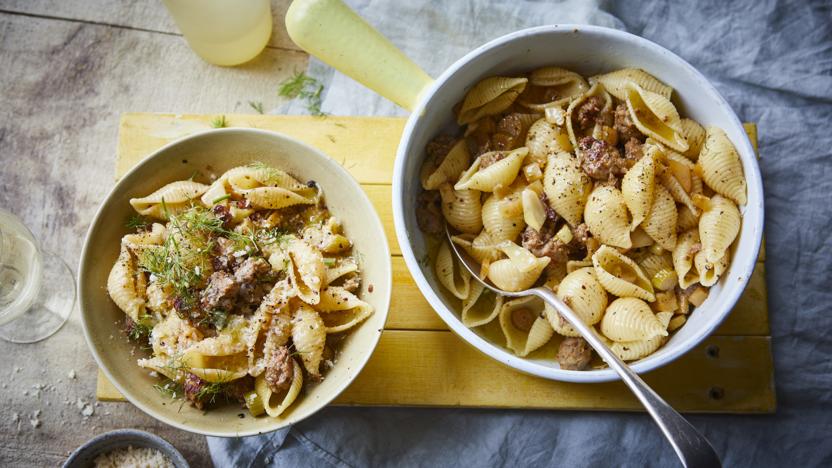
Recipes serve as the fundamental blueprint behind every memorable meal. Yet, they are far more than mere instructions; they are eloquent narratives that weave together tradition, innovation, culture, and personal expression. Every recipe tells a story—a story of heritage, technique, and flavor—that reflects both the past and the evolving creativity of the present. Whether shared within families, passed down through generations, or discovered anew by culinary enthusiasts, recipes empower cooks to explore, experiment, and create with confidence and joy. This article embarks on an elegant exploration of the art and science of recipes, illustrating their essential elements, cultural resonance, and transformative role in the world of food.
Recipes as Living Narratives of Flavor and Tradition
At their core, recipes are vehicles for consistency, guiding cooks through the steps necessary to recreate dishes reliably. Yet exceptional recipes transcend this practical purpose to become dynamic stories that capture geography, seasonality, emotion, and identity. They invite cooks to enter a dialogue between precision and improvisation, preserving culinary wisdom while welcoming inventive flair.
Unlike static manuals, recipes evolve over time, absorbing new influences, adapting to dietary needs, and reflecting shifts in taste. This fluidity makes recipes living legacies—repositories of shared knowledge and platforms for ongoing culinary dialogue.
The Anatomy of a Well-Crafted Recipe
The power of a recipe lies not just in what it instructs but in how it speaks to the cook. Effective recipes blend clarity with engagement, combining information with inspiration.
Captivating Titles That Spark Curiosity
A recipe’s title serves as the initial invitation. Whether poetic, descriptive, or evocative, it draws readers in, hinting at flavors, origins, or the occasion the dish honors. A thoughtful title sets the stage for a memorable culinary journey.
Clear and Logical Ingredient Lists
-
Sequential Presentation: Ingredients listed in the order they will be used streamline the cooking process and minimize confusion.
-
Accurate Measurements: Precise quantities using standardized units build trust and enable reproducibility.
-
Substitution Suggestions: Alternatives accommodate dietary preferences and ingredient availability without compromising integrity.
-
Quality Insights: Guidance on choosing the freshest or most suitable ingredients enriches the potential outcome.
Step-by-Step Instructions
-
Well-Organized Steps: Breaking processes into manageable segments prevents overwhelm and encourages success for cooks of all experience levels.
-
Technique Explanations: Clarifying methods and culinary terms educates novices and enhances confidence.
-
Sensory Cues: Descriptions of appearance, aroma, or texture empower cooks to assess progress intuitively beyond timers or temperatures.
Time, Yield, and Serving Details
Including realistic preparation and cooking times, alongside portion sizes, aids planning and sets expectations.
Presentation and Serving Suggestions
Thoughtful tips on garnishing, plating, or complementary side dishes elevate the dining experience and inspire creative touches.
Nutritional Information and Variation Ideas
Where appropriate, offering allergen warnings, dietary notes, and alternative versions supports a broader audience and encourages experimentation.
Maximizing the Impact of Recipes
Read Through Completely Before Starting
Understanding all steps helps organize ingredients, tools, and timing for a smoother, more enjoyable cooking process.
Embrace Mise en Place
Preparing and arranging ingredients and utensils before cooking fosters accuracy, efficiency, and calm in the kitchen.
Personalize with Confidence
While following recipes builds foundational skills, intuitive adjustments—whether tweaking seasonings or substituting components—allow the dish to reflect individual tastes and creativity.
Maintain a Cooking Journal
Documenting successes, modifications, and lessons strengthens skill development and encourages ongoing exploration.
Recipes as Cultural Treasures and Progressive Expressions
Recipes preserve culinary identity, chronicling regional flavors, traditional techniques, and family memories. Passed across generations and borders, they link communities through food heritage.
Simultaneously, recipes are evolving art forms shaped by changing health trends, new ingredients, and sustainability concerns. This dual nature honors roots while embracing contemporary values, reflecting dynamic food cultures.
Technology’s Role in Recipe Sharing and Creation
Digital platforms have revolutionized how recipes are consumed and created:
-
Visual Media: Step-by-step photography, videos, and interactive tutorials deepen understanding and accessibility.
-
Community Engagement: Comments, ratings, and shared adaptations enrich communal learning and foster diversity of ideas.
-
Smart Kitchen Integration: Apps and smart appliances facilitate precision and ease, syncing recipes with user needs.
Despite technological advance, compelling recipe writing grounded in empathy, clarity, and inspiration remains central.
Crafting Your Own Recipes: A Personal Invitation
For those inspired to create original recipes:
-
Rigorous Testing: Repeated trials ensure clarity, reliability, and balance.
-
Audience Awareness: Tailoring language and detail to beginners or seasoned cooks balances thoroughness with readability.
-
Balanced Detail: Providing sufficient guidance supports success without overwhelming.
-
Inject Personality: Anecdotes, tips, and troubleshooting foster connection and usability.
-
Include Visuals: Well-chosen photos or videos clarify complex steps and inspire confidence.
Every recipe shared becomes a gift—an enduring blend of knowledge, passion, and hospitality inviting others into your culinary world.
Conclusion: Recipes as Invitations to Explore, Create, and Connect
Recipes serve as profound bridges linking culture, science, artistry, and joy, transforming cooking from mere routine to inspired ritual. They educate, inspire, and invite participation—turning kitchens into creative spaces of discovery and shared delight.
Approached with respect and imagination, recipes become versatile companions, guiding culinary mastery, innovation, and community within the universal language of food.
Ultimately, recipes hold timeless magic: an enduring invitation to learn, adapt, savor, and celebrate the richness of flavor and culture with elegance, heart, and generosity.