The image of a chef working long hours on a hot line is only one version of a much larger story. Today’s culinary professionals are shaping food culture in classrooms, studios, homes, labs, and digital platforms. For chefs seeking flexibility, creativity, or new challenges, there are many career paths beyond the traditional restaurant kitchen that still rely on strong culinary skills and real-world experience.
Culinary Education and Training
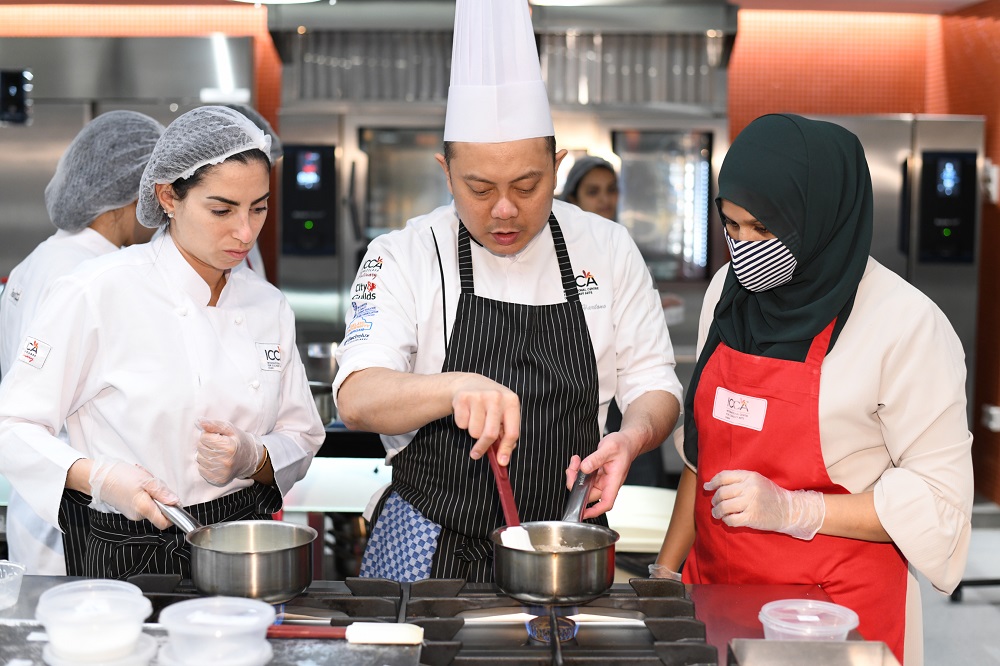
Teaching is a natural extension for chefs who enjoy mentoring and sharing knowledge. Culinary education roles allow professionals to influence the next generation while maintaining a connection to food.
Common roles include
-
Culinary school instructor
-
Vocational or community college lecturer
-
Corporate training chef
-
Workshop and masterclass facilitator
These positions often provide more predictable schedules and long-term career stability, especially for chefs who enjoy structured environments and communication.
Food Styling and Culinary Media
Food must look as good as it tastes, especially in advertising and media. Food stylists and media chefs bridge the gap between cooking and visual storytelling.
Opportunities in this field
-
Food stylist for photography and film
-
Recipe developer for magazines and brands
-
On-screen culinary host or demonstrator
-
Culinary consultant for commercials and shows
This path suits chefs with a strong visual sense, attention to detail, and an interest in branding and storytelling.
Private and Personal Chef Services
Private chefs work directly with individuals, families, or small groups, offering customized dining experiences. Unlike restaurants, this role focuses on personalization and long-term client relationships.
Key advantages
-
Tailored menus based on client preferences
-
Flexible scheduling and locations
-
Higher earning potential per service
-
Greater creative freedom
Personal chefs often combine cooking with nutrition awareness, event planning, and client management skills.
Product Development and Food Innovation
Behind packaged foods and restaurant chains are chefs who test, refine, and innovate products. Product development roles blend creativity with science and business.
Typical responsibilities
-
Developing recipes for retail products
-
Testing shelf life, flavor, and texture
-
Collaborating with food scientists and marketers
-
Scaling recipes for mass production
This career path is ideal for chefs who enjoy experimentation, documentation, and long-term projects rather than daily service.
Catering and Event-Based Culinary Work
Catering offers a dynamic environment where chefs create menus for weddings, corporate events, and large-scale gatherings.
Why chefs choose catering
-
Varied menus and event styles
-
Strong seasonal earning potential
-
Team-based execution without daily service pressure
-
Opportunities for entrepreneurship
Catering blends logistics, leadership, and creativity, making it a solid option for chefs with strong organizational skills.
Food Writing, Consulting, and Digital Platforms
Chefs are increasingly becoming voices in the food world through writing, consulting, and online content. This path values experience and perspective as much as cooking skill.
Possible roles
-
Food writer or columnist
-
Culinary consultant for restaurants or startups
-
Online educator or content creator
-
Menu and concept developer
Digital platforms allow chefs to build personal brands and reach global audiences without a physical kitchen.
Why Chefs Are Expanding Beyond Restaurants
Modern chefs are redefining success. Long hours, physical strain, and limited growth in restaurants have encouraged professionals to explore alternatives that offer balance and sustainability.
Key motivations include
-
Better work-life balance
-
Financial diversification
-
Creative independence
-
Long-term career longevity
These paths still honor culinary roots while adapting to changing lifestyles and industry demands.
How to Transition Into a Non-Restaurant Chef Career
Moving beyond restaurants doesn’t mean starting over. Most chefs already possess transferable skills that apply across industries.
Steps to make the shift
-
Identify strengths beyond line cooking
-
Build a targeted portfolio or resume
-
Network within the desired niche
-
Gain certifications or short-term training if needed
A thoughtful transition allows chefs to grow without losing their culinary identity.
Frequently Asked Questions
What skills transfer best from restaurant kitchens to other chef careers?
Time management, flavor development, leadership, adaptability, and attention to detail are highly transferable across culinary roles.
Do non-restaurant chef jobs pay well?
Many roles offer competitive or higher earning potential, especially in private chef work, consulting, and product development.
Is formal education required to move into culinary teaching?
Some institutions require certifications or degrees, but workshops, private schools, and online platforms may prioritize experience.
Can chefs work remotely in non-traditional roles?
Yes, roles such as food writing, consulting, and digital education often allow partial or full remote work.
How long does it take to transition out of restaurant kitchens?
The timeline varies, but many chefs successfully transition within six to twelve months with focused planning.
Are these career paths suitable for early-career chefs?
Yes, some paths like catering assistance, food media support, or product testing are accessible early on.
Do chefs lose creativity outside restaurants?
In many cases, creativity increases due to fewer constraints and more control over projects.