close

Lincoln Anderson

Chef

The Chef’s Craft: Mastery, Creativity, and Leadership in the Culinary World

A chef embodies the heart and soul of the culinary arts, transcending the simple act of cooking to become a visionary creator, an inspiring leader, and a cultural storyteller. Combining technical mastery, artistic innovation, and operational discipline, chefs transform raw ingredients into evocative dining experiences that nurture the body and captivate the senses. Beyond the kitchen, they influence food culture, mentor emerging talent, and champion sustainability and inclusivity. This article offers an original and nuanced exploration of the multifaceted role of chefs, their essential skills, evolving responsibilities, creative processes, and their enduring impact on cuisine and society.

Redefining the Role of the Chef: More Than a Cook

At its core, a chef is a skilled professional who commands a deep understanding of ingredients, culinary techniques, and kitchen management. Yet, the modern chef’s role expands far beyond these fundamentals. They are:

  • Innovators who blend tradition with contemporary trends to push culinary boundaries.

  • Leaders who build, motivate, and guide diverse kitchen teams to achieve harmony and efficiency.

  • Storytellers who convey identity, culture, and emotion through their cuisine and presentation.

  • Educators who engage with diners, imparting knowledge and inspiring appreciation for food’s nuances.

  • Advocates for sustainable sourcing, ethical practices, and inclusivity in gastronomy.

This multifaceted identity reflects the chef’s position at the intersection of art, science, and community.

Core Skills and Qualities that Define Excellence in Chefs

Becoming an exceptional chef requires a unique blend of technical prowess and personal attributes:

  • Culinary Expertise: Mastery of fundamental cooking methods, flavor profiling, seasoning, and artistic plating ensures consistently outstanding dishes.

  • Creative Vision: The courage to experiment, reinvent classics, and embrace novel ingredients cultivates innovation and excitement.

  • Leadership and Communication: Effective team-building, clear communication, and empathy foster positive and high-performing kitchen cultures.

  • Attention to Detail: From ingredient selection and hygiene to timing and aesthetics, meticulousness underpins quality and consistency.

  • Resilience and Stamina: Thriving in the high-pressure, fast-paced kitchen environment demands physical endurance and emotional composure.

  • Business Acumen: Understanding budgeting, supplier negotiation, inventory control, and customer engagement complements culinary artistry.

  • Cultural Awareness: Openness to global cuisines, dietary needs, and diverse tastes enriches creativity and accessibility.

The Culinary Journey: From Apprentice to Executive Chef

The path to becoming a chef is a progressive journey of learning, growth, and dedication:

  • Foundational Training: Many start in roles such as kitchen apprentices or line cooks, acquiring technical skills, discipline, and an understanding of kitchen dynamics.

  • Formal Education: Culinary schools provide scientific knowledge, technique refinement, and exposure to diverse cuisines.

  • Specialization: Chefs often focus on areas like pastry, butchery, or regional cuisines, shaping their expertise and identity.

  • Advancement and Leadership: Rising through roles like sous chef and executive chef entails greater creative control, team management, and strategic planning.

  • Lifelong Learning: Staying abreast of trends, sustainable practices, and new techniques is essential for continued relevance and innovation.

The Expanding Responsibilities of Modern Chefs

Today’s chefs navigate diverse roles beyond cooking:

  • Menu Development: Designing seasonal, balanced menus that reflect culinary trends, guest preferences, and ingredient availability.

  • Quality Assurance: Overseeing sourcing standards, food safety, consistency, and presentation to uphold excellence.

  • Talent Development: Recruiting, mentoring, and inspiring culinary teams to foster growth and dedication.

  • Customer Interaction: Engaging guests by sharing stories behind dishes and customizing experiences.

  • Sustainability Leadership: Driving eco-friendly sourcing, waste reduction, and ethical kitchen operations.

These expanded duties require chefs to blend culinary creativity with managerial acumen and social responsibility.

Culinary Presentation: The Plate as a Canvas

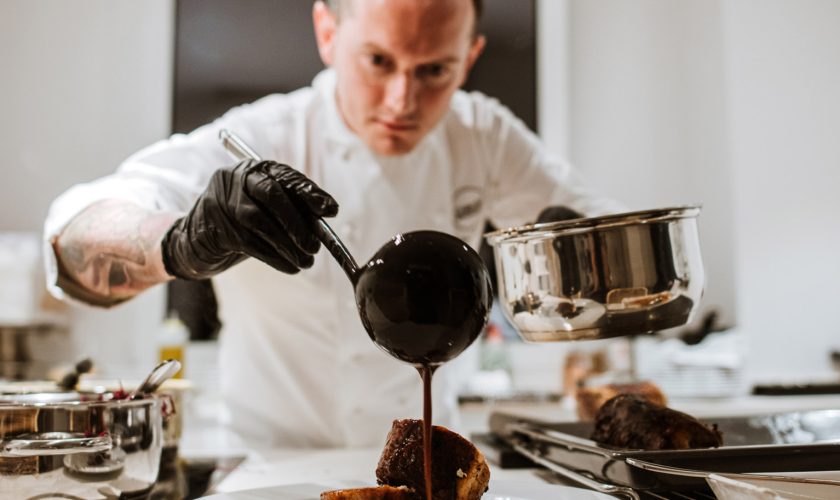
Beyond flavor, a chef’s artistry shines in how food is composed visually. Through the thoughtful use of color, texture, shape, and arrangement, plates become compelling narratives inviting anticipation and delight. Elegant garnishes, sculptural sauces, and layered elements transform meals into sensory experiences that tell stories as vividly as their taste.

Overcoming Challenges: Resilience in the Culinary Profession

Chefs confront unique pressures daily:

  • Fast-Paced Environments: Maintaining calm, focus, and clear communication amid the intensity of service is vital.

  • Physical Demands: Endurance and attention to health prevent burnout and injuries, supporting long careers.

  • Quality Consistency: Standardized recipes, staff training, and rigorous quality control ensure reliable excellence.

  • Adapting to Trends: Flexibility to embrace new dietary demands, ingredients, and sustainability practices keeps chefs competitive.

  • Budget Management: Balancing ingredient costs with quality and profitability demands strategic oversight.

Successful chefs thrive by balancing rigor, adaptability, and leadership.

Advice for Emerging Chefs

  • Pursue comprehensive training paired with diverse, hands-on kitchen experiences.

  • Embrace patience, openness to critique, and continuous learning.

  • Develop strong leadership and communication skills alongside culinary techniques.

  • Explore global cuisines and nutritional science to broaden horizons.

  • Prioritize physical and emotional well-being for longevity.

  • Cultivate mentorship and networking opportunities for growth.

The Chef as a Cultural Ambassador and Innovator

Chefs steward culinary traditions while pioneering new food narratives. They introduce diners to diverse flavors, promote sustainability, and often champion social causes like food equity and education. Through their craft and influence, chefs help shape cultural dialogue and elevate the role of food in society.

Conclusion: The Chef as Visionary Creator and Leader

Chefs epitomize the intersection of skill, creativity, leadership, and cultural celebration. Their work transforms cooking into an evocative art that nourishes and unites. Guided by passion and discipline, chefs shape not only dishes but the communities and conversations around the dining table. The chef’s journey is one of endless opportunity to innovate, inspire, and make a meaningful impact—each plate a testament to the transformative power of culinary artistry.
read more
Cooking Tips

Mastering the Art of Cooking: Essential Tips for Elevating Your Culinary Skills

Cooking is a rich and rewarding craft that blends creativity, science, and intuition. Whether you are a novice seeking to build confidence or an experienced home cook striving to refine your technique, adopting thoughtful cooking tips can transform routine meal preparation into an artful and enjoyable experience. This article offers a unique, well-structured guide packed with expert advice and practical insights designed to enhance your kitchen mastery, invite experimentation, and nurture a deeper appreciation for food.

The Foundation of Great Cooking: Preparation and Mindset

Cooking excellence begins long before ingredients hit the pan. A well-prepared cook is an empowered cook.

Embrace Mise en Place—Everything in Its Place

  • Organize Ingredients: Measure, chop, and arrange all components before starting to cook. This reduces stress, streamlines workflow, and prevents missed steps.

  • Prepare Tools and Equipment: Ensure all necessary pots, pans, and utensils are clean and within reach to maintain momentum.

  • Plan the Timeline: Read recipes in full, visualize the sequence, and anticipate timing to coordinate elements smoothly.

Cultivate Patience and Curiosity

  • Cooking is as much about process as outcome; take time to observe changes in texture, aroma, and color.

  • Don’t fear mistakes; use them to deepen understanding and inspire creativity.

Essential Cooking Techniques for Flavorful Success

Mastery of core skills unlocks a world of delicious possibilities.

Salt Strategically

  • Season gradually throughout cooking rather than only at the end to build complexity and balance flavors.

  • Use the right salt: coarse sea salts work well as finishing touches, while finer salts integrate seamlessly during cooking.

Control Heat with Precision

  • Understand your stovetop and oven; high heat satisfies searing and caramelization, low heat nurtures gentle simmering and slow cooking.

  • Avoid overcrowding pans to ensure even cooking and proper browning.

Harness the Power of Aromatics

  • Garlic, onions, herbs, and spices are culinary cornerstones that layer depth and interest. Bloom spices in oil or toast nuts and seeds to unlock essential oils and maximize flavor impact.

Master the Art of Sautéing and Roasting

  • Use sautéing for vibrant, quick cooking with browning that enhances taste and texture.

  • Roasting concentrates flavors and creates delightful textures across vegetables and proteins alike; toss with oil and season well for best results.

Rest Meats and Doughs

  • Allow cooked meats to rest before slicing to retain juices and tenderness.

  • Let doughs and batters rest when recipes suggest, aiding gluten development or hydration for texture perfection.

Kitchen Wisdom: Practical Tips for Everyday Cooking

Small habits make a big difference.

Invest in Quality Ingredients

  • Fresh, seasonal produce and well-sourced proteins provide foundational flavors and nourish health, simplifying seasoning needs.

Keep Knives Sharp

  • A sharp knife enhances precision and safety, reducing fatigue and preserving ingredient integrity.

Clean as You Go

  • Maintaining tidy workspaces fosters focus, efficiency, and reduces cross-contamination.

Taste Continuously

  • Adjust seasoning, acidity, and sweetness during cooking to achieve harmonious balance and avoid surprises.

Customize Recipes Thoughtfully

  • Use recipes as guides, tailoring salt, spice, and ingredients to personal preference and availability.

Advanced Tips for Ambitious Cooks

For those ready to deepen their craft, consider nuanced techniques and thoughtful innovations.

Explore Layered Textures and Contrasts

  • Combine creamy with crunchy, soft with crispy, and acidic with rich elements to create complex, satisfying dishes.

Understand Ingredient Chemistry

  • Learn how acid, salt, fat, and heat transform ingredients—such as lemon brightening greens or salt drawing moisture for crispiness—to wield them purposefully.

Embrace Culinary Traditions and Fusion

  • Study diverse cuisines for inspiration, adapting elements to local tastes and ingredients to keep evolving your style.

Experiment with Plating and Presentation

  • Elevate dishes with thoughtful arrangement, garnishes, and color contrasts to delight the eye as well as the palate.

The Joy of Cooking: More Than Just a Meal

Beyond technique, cooking nourishes connection—to culture, creativity, and community.

  • Share meals with others to amplify joy and create meaningful rituals.

  • Document your culinary journey through journals or photos to reflect growth and inspire continued adventure.

  • Keep learning through cookbooks, classes, and experimentation to sustain passion.

Conclusion: Elevate Your Culinary Experience with Mindful Cooking

Mastering cooking is an ongoing voyage of discovery that weaves together skill, sensory awareness, and heartfelt expression. By embracing foundational preparation, honing essential techniques, and nurturing your creativity, each meal becomes an opportunity to connect, celebrate, and create lasting memories.

With these thoughtfully curated tips, you can transform everyday cooking into a refined, joyous practice—one where every flavor, texture, and aroma tells a story, and every dish serves as a testament to your culinary artistry and passion.

read more
Bar & Wine

The Art of the Bar & Wine: Crafting Elegance, Experience, and Connection

Bars and wine are more than mere establishments and beverages—they embody a refined culture of taste, social interaction, and sensory delight. Together, they form a world where artistry meets conviviality, where every glass poured and every cocktail crafted tells a story steeped in tradition, innovation, and celebration. Whether nestled in sophisticated urban lounges or flourishing within rustic vineyard cellars, the bar and wine experience is an ongoing journey of craftsmanship, discovery, and connection. This article presents a unique and well-structured exploration of the world of bar and wine culture, highlighting their history, essential elements, evolving trends, and the refined artistry that elevates them beyond the ordinary.

Defining the Bar & Wine Experience: More Than Just Drinks

At its essence, a bar is a social sanctuary, a curated environment where people gather to unwind, celebrate, and savor expertly prepared drinks. Similarly, wine—rooted in centuries of tradition—offers a complex sensory journey that speaks of terroir, craft, and nuanced flavors. When combined thoughtfully, bar and wine culture create immersive experiences that appeal to taste, aesthetics, and social connection.

A modern bar balances atmosphere, hospitality, and beverage mastery, fostering spaces that invite dialogue, discovery, and delight. Meanwhile, wine culture educates and inspires, offering endless opportunities for tasting, pairing, and storytelling.

The Pillars of an Exceptional Bar & Wine Culture

Creating memorable experiences in the bar and wine world relies on several interwoven facets:

1. Expertly Curated Beverage Selection

  • Diverse Wine Varietals: A thoughtful wine list includes reds, whites, rosés, sparkling wines, and fortified selections representing a spectrum of global regions and styles that cater to diverse palates.

  • Cocktail Innovation: Craft cocktails blend classical techniques with contemporary creativity, utilizing high-quality spirits, fresh ingredients, and balanced flavor profiles.

  • Beverage Education: Knowledgeable staff who can suggest wine pairings or craft drinks tailored to guests’ tastes enhance engagement and satisfaction.

2. Ambiance and Atmosphere

  • Aesthetic Harmony: Lighting, décor, music, and seating must converge to create inviting, comfortable spaces that complement the drinking experience.

  • Social Flow: Layouts encourage conversation and movement, balancing intimate corners with lively social hubs.

  • Sensory Immersion: Attention to the tactile, olfactory, and visual elements— from glassware choice to the presentation of wine and cocktails—amplifies enjoyment.

3. Skilled Hospitality

  • Professional Service: Courteous, informed, and intuitive bartenders and sommeliers foster personal connections, making guests feel valued and guiding them through selections with ease.

  • Storytelling and Engagement: Sharing the provenance of wines, the history of cocktails, or the philosophy of the bar enriches the experience through meaningful narratives.

  • Attention to Detail: Every element, from temperature control to glass cleanliness, reflects dedication to quality.

4. Sustainable and Ethical Practices

  • Responsible Sourcing: Partnering with vineyards and spirit producers who emphasize sustainable, organic, or biodynamic practices aligns with growing consumer consciousness.

  • Waste Reduction: Incorporating eco-friendly barware and minimizing single-use plastics contributes to environmental stewardship.

The Evolving Role of Bars in Wine Appreciation

Bars have transcended the role of simple drink providers to become destinations for wine education, tasting, and cultural exploration. Wine bars especially focus on curating selections that tell stories of place and artisanry. They blend casual elegance with expertise, making wine accessible and engaging for novices and enthusiasts alike.

By hosting tasting events, pairing dinners, and interactive workshops, bars foster community and curiosity, inviting guests to explore new grape varieties, regions, and vintages in intimate settings.

The contemporary bar and wine culture continuously adapts through innovation and responsiveness to lifestyle shifts:

  • Natural and Orange Wines: Growing interest in minimally processed, naturally fermented wines offers vibrant, often unexpected flavor experiences.

  • Low-ABV and Non-Alcoholic Options: Expanding inclusive choices responds to wellness trends without sacrificing sophistication or taste.

  • Signature and Seasonal Cocktails: Embracing seasonal ingredients and themed menus keeps offerings fresh, engaging, and reflective of local terroir.

  • Technology Integration: Digital menus, app-based ordering, and virtual wine tastings leverage convenience and broaden audience reach.

  • Sustainable Practices: A push towards regenerative agriculture, reduced carbon footprints, and ethical sourcing informs selections and operational decisions.

The Art of Pairing: Enhancing Culinary and Wine Synergy

One of the most celebrated aspects of wine culture is pairing—it is an art that enhances flavors and elevates dining. Skilled sommeliers and bartenders create harmonious relationships between dishes and beverages, highlighting complementary textures, aromas, and intensities.

Understanding basic pairing principles—such as matching acidity with richness or tannins with fat—invites guests to deeper appreciation and experimentation, turning meals into integrated multisensory experiences.

Crafting the Ultimate Bar & Wine Experience

Delivering excellence in a bar environment centered on wine requires commitment to detail and passion:

  • Invest in Staff Training: Continuous education equips bartenders and sommeliers with the skills to guide, educate, and surprise guests.

  • Curate Thoughtfully: Balance popular favorites with unique discoveries, ensuring accessibility while fostering exploration.

  • Design Functional Elegance: Thoughtful bar layouts facilitate both efficient service and social interaction, enriching atmosphere.

  • Engage with Story: Imbue offerings with the narrative of origin, process, and culture, creating memorable guest journeys.

  • Maintain Quality: Control storage, serving temperatures, and glassware to preserve and showcase wine’s nuances and cocktail craftsmanship.

Conclusion: Bar & Wine as Celebrations of Culture, Craft, and Community

The world of bar and wine extends beyond drinks—it is a refined celebration of heritage, innovation, and shared human connection. Through masterful selection, artful service, and immersive storytelling, bars elevate the simple act of drinking into an elegant social ritual.

Whether savoring a glass of well-aged Bordeaux in a cozy wine bar or enjoying a bespoke cocktail crafted with seasonal ingredients, guests find in bar and wine culture a unique convergence of taste, knowledge, and conviviality. By embracing tradition while inviting experimentation, bars and wine continue to evolve as cherished spaces where flavor, culture, and community unite in timeless harmony.

read more
Restaurant

The Restaurant Experience: A Harmonious Blend of Cuisine, Culture, and Connection

Restaurants are much more than places to dine; they are vibrant spaces where culinary artistry, cultural expression, and human connection converge. Every element within a restaurant—from the menu design and food quality to the ambiance and service—plays a crucial role in crafting memorable experiences that linger far beyond the last bite. This article presents a thoughtful and original exploration of what makes a restaurant truly exceptional, examining the pillars of success, the diversity of formats, evolving trends, and the profound social and cultural roles restaurants fulfill.

Defining the Essence of a Restaurant

At its most basic, a restaurant is an establishment serving food and beverages to customers. Yet, a remarkable restaurant is fundamentally about the whole experience. It weaves together taste, sight, sound, and feeling into a curated journey specific to the venue’s concept and culture.

From the comfort of rustic family-run diners to the sophistication of Michelin-starred kitchens, restaurants reflect their unique culinary philosophy and community role. Regardless of style or scale, their ultimate goal is to transform dining into an immersive, joyful ritual where guests feel welcomed and inspired.

Pillars of Excellence in Restaurant Design and Operation

The foundation of restaurant success rests on harmonizing multiple key elements:

Culinary Quality and Innovation

  • Artisan Menus: Exceptional restaurants balance inventive dishes with beloved classics, spotlighting seasonal, local, and sustainable ingredients that elevate flavor and respect ethical sourcing.

  • Consistency: Rigor in recipe development, precise cooking techniques, and continuous staff training ensure that every dish meets high standards on every visit.

  • Dietary Inclusivity: Accommodating vegan, gluten-free, and allergen-sensitive diets with creativity and respect broadens the appeal and accessibility of the menu.

Service that Connects

  • Warm Hospitality: Skilled and genuine servers transform meals into experiences by anticipating needs and fostering a welcoming atmosphere without intrusion.

  • Perfect Timing: Seamless coordination of kitchen and front-of-house teams sustains dining rhythm, balancing pace with guest enjoyment.

  • Personalization: Flexibility to adjust meals and attentiveness to guest preferences create unique and meaningful interactions.

Atmosphere and Ambiance

  • Sensory Environment: Thoughtful integration of lighting, music, decor, and spatial design creates moods that complement the cuisine and invite relaxation or celebration.

  • Comfort and Accessibility: Ergonomic seating, clear layouts, and inclusive designs ensure all guests feel comfortable and valued.

  • Visual Identity: Cohesive branding from signage to menu design to staff uniforms reinforces the restaurant’s personality and story.

Operational Acumen

  • Strategic Leadership: Balancing creative vision with astute management guarantees sustainability, innovation, and quality.

  • Health and Safety: Complying rigorously with regulations builds trust and safeguards patron well-being.

  • Technology Utilization: Incorporating reservation systems, inventory management, and digital marketing optimizes efficiency and enhances guest engagement.

Diverse Restaurant Models for Every Palate and Occasion

Restaurants vary widely in concept and service style, catering to distinct dining needs:

Fine Dining

Focusing on elevated cuisine, meticulous plating, multi-course tasting menus, and refined service, fine dining delivers sensory journeys that celebrate innovation and craftsmanship.

Casual and Family Dining

These venues emphasize approachability, comfort, and versatility—balancing quality food with informal atmospheres ideal for everyday dining or social gatherings.

Fast Casual and Quick Service

Meeting modern demands for speed without sacrificing quality, these restaurants streamline service and food preparation while enhancing flavor and presentation over traditional fast food.

Ethnic and Specialty Restaurants

Immersive in cultural authenticity or creative fusion, these establishments celebrate global cuisines, transporting guests through distinctive flavors and themed decor.

Cafés and Bistros

Small, intimate, and often eclectic, these spaces serve artisanal coffees, light lunches, and pastries, fostering community interaction and social vitality.

The restaurant industry constantly evolves to meet changing consumer expectations and global influences:

  • Sustainability Practices: Farm-to-table sourcing, zero-waste initiatives, and eco-friendly materials align hospitality with environmental stewardship.

  • Plant-Based and Allergen-Friendly Menus: Reflecting health consciousness and ethical considerations, these options expand inclusivity and innovation.

  • Experiential Dining: Chef’s tables, open kitchens, tasting events, and themed nights deepen guest engagement beyond food.

  • Digital Integration: Contactless payment, QR menus, online reservations, and delivery platforms enhance convenience and accessibility.

  • Hybrid Service Models: Offering combinations of dine-in, takeout, delivery, and meal kits broadens reach and business resilience.

Successfully running a restaurant involves skillful handling of complex issues:

  • Maintaining Consistency: Establishing standardized procedures and training safeguards quality during high-volume service.

  • Talent Development and Retention: Investing in a positive workplace culture attracts skilled staff and reduces turnover.

  • Cost Efficiency: Careful sourcing, menu engineering, and operational optimization preserve profits without compromising guest experience.

  • Adaptability: Responsive innovation in response to consumer trends and market shifts ensures relevance and longevity.

Creating Meaningful and Memorable Guest Experiences

Restaurants that inspire loyalty prioritize emotional connection alongside technical excellence:

  • Personalized Attention: Remembering regular guests, honoring special occasions, and accommodating preferences deepen appreciation.

  • Meticulous Presentation and Timing: Details like flawless plating, perfect pacing, and ambient touches signal care and professionalism.

  • Meaningful Storytelling: Sharing the provenance of dishes, culinary inspirations, and sourcing philosophy enriches the guest’s sensory journey.

Restaurants as Cultural and Social Anchors

Beyond nourishment, restaurants act as cultural crossroads and community gathering spaces. They preserve culinary heritage, foster innovation, and encourage dialogue between diverse populations. Through food, they facilitate empathy, celebration, and social cohesion, contributing to societal well-being and identity.

Conclusion: The Restaurant as a Living Work of Art and Hospitality

At its heart, a restaurant is a dynamic ecosystem where inspired cuisine, genuine hospitality, atmospheric design, and diligent management unite to create enriching experiences. This synergy transforms dining from routine into ritual, crafting lasting memories marked by flavor, connection, and joy.

For restaurateurs, embracing this holistic vision cultivates venues that resonate deeply with guests, turning meals into treasured events, and dining spaces into cherished cultural hubs.

For diners, restaurants offer more than sustenance—they offer opportunities to connect, celebrate, and discover. Whether sharing a simple meal or indulging in culinary artistry, the restaurant remains a timeless stage where food serves as both art and invitation to community.

read more
Recipes

The Artistry of Recipes: Crafting Culinary Journeys and Inspiring Creativity

Recipes serve as the fundamental blueprint behind every memorable meal. Yet, they are far more than mere instructions; they are eloquent narratives that weave together tradition, innovation, culture, and personal expression. Every recipe tells a story—a story of heritage, technique, and flavor—that reflects both the past and the evolving creativity of the present. Whether shared within families, passed down through generations, or discovered anew by culinary enthusiasts, recipes empower cooks to explore, experiment, and create with confidence and joy. This article embarks on an elegant exploration of the art and science of recipes, illustrating their essential elements, cultural resonance, and transformative role in the world of food.

Recipes as Living Narratives of Flavor and Tradition

At their core, recipes are vehicles for consistency, guiding cooks through the steps necessary to recreate dishes reliably. Yet exceptional recipes transcend this practical purpose to become dynamic stories that capture geography, seasonality, emotion, and identity. They invite cooks to enter a dialogue between precision and improvisation, preserving culinary wisdom while welcoming inventive flair.

Unlike static manuals, recipes evolve over time, absorbing new influences, adapting to dietary needs, and reflecting shifts in taste. This fluidity makes recipes living legacies—repositories of shared knowledge and platforms for ongoing culinary dialogue.

The Anatomy of a Well-Crafted Recipe

The power of a recipe lies not just in what it instructs but in how it speaks to the cook. Effective recipes blend clarity with engagement, combining information with inspiration.

Captivating Titles That Spark Curiosity

A recipe’s title serves as the initial invitation. Whether poetic, descriptive, or evocative, it draws readers in, hinting at flavors, origins, or the occasion the dish honors. A thoughtful title sets the stage for a memorable culinary journey.

Clear and Logical Ingredient Lists

  • Sequential Presentation: Ingredients listed in the order they will be used streamline the cooking process and minimize confusion.

  • Accurate Measurements: Precise quantities using standardized units build trust and enable reproducibility.

  • Substitution Suggestions: Alternatives accommodate dietary preferences and ingredient availability without compromising integrity.

  • Quality Insights: Guidance on choosing the freshest or most suitable ingredients enriches the potential outcome.

Step-by-Step Instructions

  • Well-Organized Steps: Breaking processes into manageable segments prevents overwhelm and encourages success for cooks of all experience levels.

  • Technique Explanations: Clarifying methods and culinary terms educates novices and enhances confidence.

  • Sensory Cues: Descriptions of appearance, aroma, or texture empower cooks to assess progress intuitively beyond timers or temperatures.

Time, Yield, and Serving Details

Including realistic preparation and cooking times, alongside portion sizes, aids planning and sets expectations.

Presentation and Serving Suggestions

Thoughtful tips on garnishing, plating, or complementary side dishes elevate the dining experience and inspire creative touches.

Nutritional Information and Variation Ideas

Where appropriate, offering allergen warnings, dietary notes, and alternative versions supports a broader audience and encourages experimentation.

Maximizing the Impact of Recipes

Read Through Completely Before Starting

Understanding all steps helps organize ingredients, tools, and timing for a smoother, more enjoyable cooking process.

Embrace Mise en Place

Preparing and arranging ingredients and utensils before cooking fosters accuracy, efficiency, and calm in the kitchen.

Personalize with Confidence

While following recipes builds foundational skills, intuitive adjustments—whether tweaking seasonings or substituting components—allow the dish to reflect individual tastes and creativity.

Maintain a Cooking Journal

Documenting successes, modifications, and lessons strengthens skill development and encourages ongoing exploration.

Recipes as Cultural Treasures and Progressive Expressions

Recipes preserve culinary identity, chronicling regional flavors, traditional techniques, and family memories. Passed across generations and borders, they link communities through food heritage.

Simultaneously, recipes are evolving art forms shaped by changing health trends, new ingredients, and sustainability concerns. This dual nature honors roots while embracing contemporary values, reflecting dynamic food cultures.

Technology’s Role in Recipe Sharing and Creation

Digital platforms have revolutionized how recipes are consumed and created:

  • Visual Media: Step-by-step photography, videos, and interactive tutorials deepen understanding and accessibility.

  • Community Engagement: Comments, ratings, and shared adaptations enrich communal learning and foster diversity of ideas.

  • Smart Kitchen Integration: Apps and smart appliances facilitate precision and ease, syncing recipes with user needs.

Despite technological advance, compelling recipe writing grounded in empathy, clarity, and inspiration remains central.

Crafting Your Own Recipes: A Personal Invitation

For those inspired to create original recipes:

  • Rigorous Testing: Repeated trials ensure clarity, reliability, and balance.

  • Audience Awareness: Tailoring language and detail to beginners or seasoned cooks balances thoroughness with readability.

  • Balanced Detail: Providing sufficient guidance supports success without overwhelming.

  • Inject Personality: Anecdotes, tips, and troubleshooting foster connection and usability.

  • Include Visuals: Well-chosen photos or videos clarify complex steps and inspire confidence.

Every recipe shared becomes a gift—an enduring blend of knowledge, passion, and hospitality inviting others into your culinary world.

Conclusion: Recipes as Invitations to Explore, Create, and Connect

Recipes serve as profound bridges linking culture, science, artistry, and joy, transforming cooking from mere routine to inspired ritual. They educate, inspire, and invite participation—turning kitchens into creative spaces of discovery and shared delight.

Approached with respect and imagination, recipes become versatile companions, guiding culinary mastery, innovation, and community within the universal language of food.

Ultimately, recipes hold timeless magic: an enduring invitation to learn, adapt, savor, and celebrate the richness of flavor and culture with elegance, heart, and generosity.

read more
Bakery & Cake

The Artistry of Bakery & Cake: Tradition, Innovation, and Delight in Every Bite

Bakery and cake represent a timeless celebration of craftsmanship, culture, and culinary artistry. Beyond their role as food, they are expressions of creativity and heritage that evoke warmth, joy, and connection. Whether it’s the comforting aroma of freshly baked bread welcoming the morning or the exquisite design of a bespoke cake marking life’s milestones, bakery and cake enrich our daily rituals and moments of celebration alike. This article offers a fresh, elegant exploration of the world of bakery and cake, highlighting the meticulous skills involved, the fusion of tradition and innovation, and the cultural and emotional significance they carry.

The Bakery: Mastery at the Intersection of Science and Art

A bakery transcends the image of a simple shop. It is a creative atelier where fundamental ingredients—flour, water, yeast, sugar, butter—undergo transformation guided by skilled hands and scientific understanding. Baking demands precise control over fermentation, gluten development, temperature, and timing, balanced by intuition and artistic flair.

Bakeries are community cornerstones. They provide everyday staples like crusty sourdough and flaky croissants that anchor our routines, while seasonal and festive specialties punctuate cultural traditions and personal milestones. Each loaf or pastry tells a story of dedication, method, and local flavor.

The Science Behind the Perfect Loaf

Every loaf of bread is a carefully calibrated balance—hydration levels, fermentation times, folding techniques, and baking conditions converge to craft texture, flavor, and crust. Master bakers tweak these parameters to create diverse products, from tangy, chewy sourdoughs to rich, tender brioche or delicately layered croissants. Contemporary bakeries also embrace rising dietary trends, offering gluten-free alternatives, ancient grain creations, and inventive flavor blends that respect heritage while catering to modern palates.

Cakes: Edible Stories of Celebration and Creativity

Cakes hold a special place as edible art and the centerpiece of celebration. From birthdays and weddings to cultural festivities, cakes encode messages of joy, identity, and imagination in their flavors, textures, and designs.

A World of Cake Styles

  • Classic Layer Cakes: Soft, airy sponges layered with buttercream, ganache, or fruit preserves provide versatile foundations for endless creativity in flavor and decoration.

  • Fondant and Sculpted Cakes: Smooth, pliable fondant allows for intricate, vibrant designs that personalize celebrations with elegance and thematic expression.

  • Cheesecakes: Velvety, often fruit-topped, cheesecakes offer a rich textural and flavor contrast to traditional cakes.

  • Cupcakes and Petit Fours: Small, visually charming portions perfect for varied gatherings or gifts.

  • Inclusive Options: Vegan, gluten-free, and reduced-sugar cakes represent the harmony of indulgence with health-conscious and ethical considerations.

The Craft and Chemistry of Cake Making

Successful cake-making requires mastery of ingredient chemistry and baking science—balancing leavening agents, moisture retention, and mixing techniques to achieve the desired crumb and texture. Decorating cakes blends artistic skills—piping, color theory, sugar work—with storytelling, creating edible focal points that captivate before the first bite.

Tradition Meets Innovation: The Dynamic Dance

Bakery and cake arts sit at the crossroads of preserved tradition and inspired innovation. Rooted in deep cultural legacies—French patisseries, Italian rustic breads, Middle Eastern sweets—these crafts honor centuries of knowledge.

Simultaneously, modern bakers and cake artists innovate by incorporating superfoods, ancient grains, alternative sweeteners, and eco-conscious sourcing. Sustainable practices like organic ingredients and waste reduction echo today’s ethical values, ensuring bakery and cake remain relevant and vibrant.

Emotional Connection and Social Significance

The sensory joys of bakery and cake—the smell of fresh bread, the sight of a beautifully adorned cake, the taste of familiar treats—evoke nostalgia and build emotional bonds. These delights accompany everyday moments and momentous occasions, intertwining nourishment with comfort, memory, and community.

Custom cakes embody personal and cultural narratives, transforming celebrations into meaningful shared experiences. Baking and sharing these creations nurture social warmth, forging lasting memories beyond the palate.

Choosing a Bakery and Cake: What to Look For

Selecting the perfect bakery or cake for everyday pleasure or special events involves discerning key qualities:

  • Ingredient Excellence: Trusted bakeries prioritize fresh, locally sourced, and often organic ingredients to ensure optimal flavor and quality.

  • Artisanal Expertise: Experienced bakers elevate simple components into complex flavor profiles paired with aesthetic distinction.

  • Customization and Collaboration: Successful bakeries partner closely with clients, customizing designs while accommodating dietary restrictions.

  • Inclusive Offerings: Gluten-free, vegan, and allergen-conscious options that maintain taste and texture quality are essential for diverse clientele.

  • Reputation and Consistency: Positive reviews and word-of-mouth guarantee reliability and an exceptional experience.

Conclusion: Bakery & Cake as Timeless Expressions of Art and Connection

Bakery and cake are exquisite expressions of culinary tradition, technical mastery, and creative imagination. They enrich our daily lives and celebrate significant moments with sweetness, elegance, and heartfelt craftsmanship. Each loaf and cake embodies the dedication and passion of artists who honor heritage and embrace innovation.

By appreciating their artistry and emotional resonance, we keep alive a rich culinary legacy that delights the senses and connects generations. From rustic morning breads to spectacular celebration cakes, bakery and cake remain enduring symbols of warmth, artistry, and communal joy—bringing beauty and happiness to every table, one exquisite bite at a time.

read more
Recipes

Samosa: A Timeless Culinary Delight

Few dishes possess the universal appeal of the samosa. With its crisp, golden crust and flavorful filling, this savory pastry has delighted food lovers across cultures for centuries. From bustling street corners to elegant dining tables, the samosa remains a cherished favorite, offering endless variations and a rich history that speaks to its enduring charm.

The Historical Tapestry of Samosa

The origins of the samosa trace back to Central Asia and the Middle East, where early versions of this dish were known as “sambusak” or “sanbosag.” These small, stuffed pastries were favored by merchants and travelers for their portability and long shelf life. As trade routes expanded, the samosa made its way to South Asia, where it transformed into the dish known today.

South Asian adaptations introduced spiced potato fillings, a crispier pastry, and a deep-fried cooking method that set the stage for the modern samosa. Over time, the dish continued to evolve, with regional variations emerging across India, Pakistan, Bangladesh, and beyond. Despite its diverse adaptations, the essence of the samosa—a crisp shell encasing a richly seasoned filling—remains unchanged.

Crafting the Perfect Samosa: Dough, Filling, and Technique

The appeal of a samosa lies in its contrast of textures and flavors. Achieving the ideal balance requires careful attention to each element of preparation.

  • The Dough – A well-crafted samosa begins with a sturdy yet delicate dough. A mixture of all-purpose flour, salt, water, and a touch of oil or ghee creates the base for the pastry. Kneading is essential, as it develops the right amount of elasticity to ensure a crisp yet tender bite. Resting the dough allows the gluten to relax, making it easier to roll and shape.

  • The Filling – Traditional samosas are known for their potato and pea filling, seasoned with an aromatic blend of cumin, coriander, garam masala, and green chilies. The potatoes are mashed to the perfect consistency—soft enough to hold together yet textured enough to provide a satisfying bite. Additional ingredients such as cashews, raisins, or paneer can add depth to the filling.

  • The Folding Process – The iconic triangular shape of a samosa requires skillful folding. The dough is rolled into thin sheets, cut into sections, and carefully folded into cone-like pockets. A generous spoonful of filling is placed inside before the edges are sealed with water to ensure the samosa remains intact during frying. Precision in folding ensures that the samosa maintains its structure while cooking.

Exploring the Diversity of Samosa Fillings

While the classic potato-filled samosa remains a favorite, many variations have emerged, catering to different tastes and dietary preferences.

  • Minced Meat Samosa – Popular in Middle Eastern and South Asian cuisines, this version swaps potatoes for spiced minced lamb, chicken, or beef, often enhanced with caramelized onions and fresh herbs.
  • Lentil and Chickpea Samosa – A protein-rich alternative that blends lentils or chickpeas with aromatic spices, offering a hearty and nutritious option.
  • Cheese and Spinach Samosa – A contemporary take that combines the creamy richness of cheese with the slight bitterness of spinach, resulting in a flavorful and indulgent filling.
  • Sweet Samosa – A departure from the savory versions, these samosas feature a filling of coconut, jaggery, or even chocolate, creating a delightful dessert option.

Each variation reflects the adaptability of the samosa while preserving its essence as a crisp, stuffed pastry that satisfies with every bite.

Cooking Methods: Frying vs. Baking

The most traditional method of preparing samosas is deep frying, which produces the signature golden, crispy crust. The oil must be maintained at an optimal temperature—too hot, and the pastry browns too quickly without cooking through; too cool, and the dough absorbs excess oil, leading to an undesirable texture. A steady, moderate heat ensures that the samosa achieves a perfectly crisp exterior while allowing the filling to warm through.

For those seeking a lighter alternative, baking provides a different yet equally enjoyable experience. The samosas are brushed with oil and baked in a preheated oven, resulting in a golden-brown crust with a slightly different texture than the fried version. While the crispness is more delicate, the flavors remain vibrant, making this an appealing choice for those who prefer a reduced oil approach.

The Perfect Pairing: Chutneys and Accompaniments

No samosa experience is complete without the right accompaniments. The addition of chutneys, dips, and beverages enhances the flavors and creates a well-rounded culinary moment.

  • Mint and Coriander Chutney – A vibrant green dip made from fresh herbs, green chilies, and lemon juice, adding a refreshing contrast to the richness of the samosa.
  • Tamarind Chutney – A sweet and tangy sauce crafted from tamarind pulp, jaggery, and warming spices, offering a delightful interplay of flavors.
  • Yogurt and Chaat Masala – A cooling complement that balances the spice of the filling, bringing a smooth and creamy texture to each bite.
  • Masala Chai – A natural pairing, this spiced tea harmonizes beautifully with the warmth of the samosa, creating a satisfying balance between crisp pastry and aromatic beverage.

These accompaniments not only enhance the eating experience but also showcase the depth of flavor that samosas bring to the table.

Samosa Across Cultures: A Dish Without Borders

Though its roots lie in South Asia and the Middle East, the samosa has found a place in cuisines around the world. Different cultures have embraced and adapted this dish to suit their own tastes and traditions.

  • Sambousek (Middle East) – A close relative of the samosa, sambousek features a thinner, flakier crust and is often filled with meat, cheese, or lentils.
  • African Variations – In East African countries such as Kenya and Tanzania, samosas are a popular street food, incorporating local spices and sometimes even seafood fillings.
  • Latin American Empanadas – While empanadas differ in texture and preparation, they share the concept of a stuffed pastry that can be either fried or baked, reflecting a shared appreciation for filled dough creations.

These adaptations highlight the universal appeal of the samosa, proving that great food transcends cultural boundaries while retaining its essential character.

The Enduring Appeal of Samosa

Samosa remains more than just a snack—it represents a blend of tradition, craftsmanship, and culinary creativity. Whether served at festive gatherings, enjoyed as a street-side treat, or shared among family and friends, its ability to bring warmth and satisfaction is unmatched. The contrast of textures, the depth of flavors, and the sheer versatility of its fillings ensure that the samosa will continue to hold its place as a beloved dish for generations to come.

read more
Food

Samosa: A Culinary Classic That Stands the Test of Time

Few snacks capture the essence of comfort, tradition, and indulgence quite like the samosa. This golden, crispy delight has been a cherished favorite for generations, with its origins spanning centuries and its flavors adapting to diverse cultures. Whether enjoyed as a street food staple, a festive treat, or an elegant appetizer, the samosa remains a timeless indulgence that continues to captivate palates across the globe.

The Origins of Samosa: A Legacy That Spans Continents

The history of the samosa is as rich as its filling. Tracing its roots to the Middle East and Central Asia, historical records suggest that early versions of this dish were known as “sambusak” or “sanbosag.” These were small, stuffed pastries enjoyed by traders and travelers due to their portability and ability to stay fresh over long journeys. As these early pastries made their way along trade routes, they were embraced and adapted by different cultures.

By the time the samosa reached South Asia, it had transformed into a deep-fried delicacy filled with spiced potatoes, peas, and occasionally meat. It became an integral part of regional cuisines, with each region putting its unique spin on the dish. Today, the samosa is not confined to one country or culture—it has found a place in culinary traditions across India, Pakistan, the Middle East, Africa, and even the Western world.

Crafting the Perfect Samosa: The Balance of Texture and Flavor

A well-made samosa strikes a perfect balance between a crisp, flaky crust and a flavorful filling. Achieving this harmony requires careful attention to both the dough and the stuffing.

  • The Dough – The outer layer of a samosa is made from a simple mixture of all-purpose flour, salt, water, and oil or ghee. The key to achieving the right texture lies in kneading the dough thoroughly and allowing it to rest. This ensures that the pastry develops the right elasticity and flakiness, preventing it from turning too hard or too brittle after frying.

  • The Filling – Traditional samosa fillings vary, but the classic South Asian version features a blend of mashed potatoes, green peas, and aromatic spices such as cumin, coriander, garam masala, and chili powder. The filling must be well-seasoned and cooked to the right consistency to enhance the flavor without making the pastry soggy.

  • The Folding Technique – The process of shaping a samosa is an art in itself. The dough is rolled into thin sheets, cut into sections, and folded into conical pockets. The filling is carefully placed inside before the edges are sealed with a light brush of water. A well-sealed samosa prevents oil from seeping in during frying, ensuring a crisp texture.

A World of Fillings: Traditional and Contemporary Variations

The versatility of the samosa is one of its greatest strengths. While the classic potato-filled version remains a favorite, different regions have introduced their own unique variations.

  • Spiced Minced Meat – Popular in many Middle Eastern and South Asian regions, this version features a filling of ground lamb, chicken, or beef, cooked with fragrant spices, onions, and herbs.
  • Paneer and Spinach – A vegetarian twist that combines the creamy richness of paneer (Indian cottage cheese) with the slight bitterness of spinach, resulting in a filling that is both flavorful and nutritious.
  • Chickpeas and Lentils – A protein-packed alternative that blends mashed chickpeas or lentils with warming spices, creating a hearty and satisfying bite.
  • Chocolate and Hazelnut – A modern take on the samosa, this dessert version swaps the traditional savory filling for a luscious blend of melted chocolate and crushed hazelnuts, encased in a flaky pastry.

Each variation showcases the adaptability of the samosa, making it a dish that suits every palate and occasion.

The Cooking Process: Traditional Frying vs. Modern Baking

The most common method of cooking samosas is deep frying, which gives them their signature golden crispness. The temperature of the oil plays a crucial role—too hot, and the exterior browns too quickly while leaving the interior undercooked; too cool, and the samosa absorbs excess oil, resulting in a greasy texture. Cooking at a steady, moderate temperature ensures an even crispness and a perfectly cooked filling.

For those seeking a lighter alternative, baking offers a healthier approach. The samosas are brushed with oil and placed in a preheated oven, where they develop a golden-brown crust with a slightly different texture than their fried counterparts. While baking does not produce the same level of crispness, it retains the flavors of the filling while reducing excess oil.

The Perfect Pairing: Chutneys and Beverages That Complement Samosas

Samosas are rarely enjoyed on their own—they are often accompanied by an array of chutneys and beverages that enhance their flavors.

  • Mint and Coriander Chutney – This vibrant green dip combines fresh herbs, green chilies, and lemon juice to provide a refreshing contrast to the richness of the samosa.
  • Tamarind Chutney – A sweet and tangy sauce made from tamarind pulp, jaggery, and spices, offering a perfect balance of flavors.
  • Yogurt with Chaat Masala – A simple yet effective way to add a cooling element, yogurt mixed with a dash of chaat masala complements the spice of the samosa.
  • Masala Chai – In many cultures, samosas are best enjoyed with a steaming cup of masala chai, where the aromatic spices of the tea harmonize beautifully with the savory snack.

Samosa’s Place in Global Cuisine: A Dish That Knows No Borders

Though deeply rooted in South Asian and Middle Eastern culinary traditions, the samosa has made its way into kitchens around the world. Different countries have embraced and reinterpreted this dish in ways that reflect their own culinary sensibilities.

  • Sambousek in the Middle East – A close relative of the samosa, sambousek features a thinner, flakier crust and is often filled with spiced meat, cheese, or lentils.
  • African Variations – Many African countries, particularly in East Africa, have adopted the samosa, incorporating local spices and even seafood fillings.
  • Latin American Empanadas – While distinct in technique, empanadas share the same concept of a stuffed pastry that can be fried or baked, showcasing the universal appeal of filled dough creations.

These adaptations highlight the enduring charm of the samosa, proving that great food transcends geographical boundaries.

A Dish That Continues to Delight Generations

Samosa is more than just a snack—it represents tradition, craftsmanship, and an endless capacity for reinvention. Whether served at a festive gathering, enjoyed as a quick street-side treat, or presented as part of an elaborate meal, it remains a dish that brings warmth and joy to those who savor it. The perfect balance of crispness, spice, and texture ensures that samosas will remain a beloved classic for generations to come.

read more
Recipes

The Craft of Creating Exceptional Recipes

A recipe is more than a set of instructions—it is an expression of flavor, technique, and creativity. Whether passed down through generations or crafted from new inspirations, a well-designed recipe brings ingredients together in a way that enhances both taste and texture. Understanding the structure of a great recipe, along with the finer details of ingredient selection and cooking techniques, transforms everyday meals into remarkable dining experiences.

The Essential Elements of a Well-Crafted Recipe

Every successful recipe follows a structure that ensures consistency and balance. Thoughtful planning and precise execution result in a dish that delivers on both taste and presentation.

  • Ingredient Quality and Selection – The foundation of any dish begins with high-quality ingredients. Seasonal produce, fresh herbs, and well-sourced proteins contribute to depth of flavor, while thoughtful pairings ensure that each element enhances the others.
  • Proportions and Measurements – Accurate measurements create consistency, allowing a recipe to be replicated with the same successful outcome each time. While experienced cooks may rely on instinct, carefully measured quantities are essential, especially in baking, where precision determines texture and structure.
  • Cooking Techniques – The method of preparation influences the final result. Roasting intensifies sweetness, grilling imparts smokiness, and slow-cooking allows flavors to develop gradually. Choosing the right technique for each ingredient maximizes its potential.
  • Timing and Order of Steps – The sequence in which ingredients are added affects the dish’s complexity. Some spices release their full aroma when toasted at the beginning of cooking, while fresh herbs should be introduced at the end to retain their brightness. Understanding when to incorporate each component refines the overall balance of flavors.

Mastering these principles creates a strong foundation, allowing for both traditional and inventive approaches to cooking.

Time-Honored Recipes That Never Fade

Certain dishes maintain their appeal across cultures and generations. Their simplicity, reliability, and rich flavors make them enduring favorites, each carrying a legacy of tradition.

  • Classic Roast Chicken – A perfectly roasted chicken requires attention to seasoning, cooking temperature, and resting time. A blend of garlic, fresh thyme, and butter enhances its natural flavors, while slow roasting ensures crisp skin and tender meat.
  • Handmade Pasta with Fresh Tomato Sauce – The process of rolling and cutting pasta dough results in a texture far superior to store-bought versions. Paired with a sauce made from ripe tomatoes, basil, and extra virgin olive oil, this dish exemplifies the power of fresh, simple ingredients.
  • Traditional Beef Stew – Long, slow simmering allows the flavors of beef, root vegetables, and aromatic herbs to meld beautifully. A well-balanced stew achieves richness without overpowering heaviness, creating a dish that is both hearty and refined.
  • Decadent Dark Chocolate Tart – Achieving the perfect balance of bittersweet chocolate, a crisp pastry crust, and a silky ganache filling requires attention to both technique and ingredient quality. The result is a dessert that feels indulgent yet elegantly restrained.

These recipes remain beloved because they rely on time-tested methods and ingredients that complement each other effortlessly.

Experimenting with Ingredients and Techniques

Cooking thrives on creativity, and the ability to experiment with new ingredients allows traditional recipes to be reimagined in fresh and exciting ways.

  • Introducing Unexpected Flavors – A familiar dish can be transformed with the addition of unique elements. A hint of saffron in a rice dish, a splash of balsamic vinegar in a berry dessert, or the warmth of cinnamon in a savory stew can bring new dimensions to a well-loved recipe.
  • Adjusting for Dietary Preferences – Many classic recipes can be adapted to suit different dietary needs while preserving their essence. Using plant-based dairy alternatives, incorporating gluten-free grains, or substituting natural sweeteners offers versatility without sacrificing flavor.
  • Balancing Texture and Contrast – The interplay of textures enhances a dish’s appeal. A crisp topping on a creamy gratin, a drizzle of velvety sauce over roasted vegetables, or a scattering of toasted nuts on a salad adds complexity that engages the palate.
  • Enhancing Aromatics – The use of fresh herbs, citrus zest, and infused oils refines a dish’s final impression. A touch of lemon zest in a pasta sauce or a sprinkle of freshly chopped mint in a warm grain salad can lift the flavors and add a finishing note of freshness.

Refining and adjusting recipes allows for endless possibilities, ensuring that cooking remains both engaging and rewarding.

The Art of Presentation: A Thoughtful Finishing Touch

A beautifully plated dish enhances the dining experience, turning a simple meal into something special. Attention to detail in presentation adds an extra layer of enjoyment.

  • Color and Contrast – Vibrant ingredients create visual appeal. A carefully placed garnish, a swirl of sauce, or a sprinkle of finely chopped herbs brings dimension to a plate.
  • Thoughtful Composition – Arranging components with care ensures balance. A well-placed protein alongside complementary vegetables and a drizzle of sauce creates a more elegant presentation than ingredients simply mixed together.
  • Serving Ware Choices – The choice of plates and bowls plays a role in how a dish is perceived. A rustic stew benefits from an earthenware bowl, while a delicate dessert is best showcased on a sleek, minimalist plate.

Considering these elements creates a dining experience that feels intentional and refined, making even everyday meals feel thoughtfully prepared.

The Lasting Impression of a Well-Designed Recipe

A truly great recipe extends beyond its ingredients and instructions—it holds the power to create memories, inspire creativity, and bring people together. Understanding the foundations of a well-crafted dish, exploring new possibilities, and presenting food with care transforms cooking into an art form that is both accessible and endlessly rewarding.

read more
Bakery & Cake

Custom Birthday Cakes London: Unique Designs for Every Celebration

Custom Birthday Cakes in London

Custom birthday cakes in London provide an ideal way to make any celebration special. They offer a unique touch that can’t be found in pre-made cakes, with options for personalisation and bespoke designs tailored to the individual’s preferences.

Benefits of Bespoke Birthday Cakes

Bespoke birthday cakes allow for a unique and personalised touch to any celebration. Unlike standard cakes, these are crafted specifically for the person and event, allowing for detailed customisation in both design and flavour. This means you can include special messages, favourite colours, or themes that reflect the personality of the birthday celebrant.

Quality and freshness are top priorities. Cakes by Robin, for instance, ensures their creations are made from the freshest ingredients and baked to order, resulting in a truly unforgettable cake. Freshness translates to better taste and texture, enhancing the overall experience of the celebration.

Adaptability to dietary needs is another benefit. Bakeries like Adams Cakes can cater to specific dietary requirements, such as gluten-free or vegan options, ensuring that everyone at the celebration can enjoy a slice.

Selecting the Perfect Cake

Size and shape are essential considerations. Determine the number of guests to decide the appropriate size of the cake. Cake & Bakes offers a variety of shapes and sizes, from classic round cakes to more elaborate sculpted designs, fitting any number of guests and styles.

Flavour should match the tastes of the birthday person. Popular options include chocolate, vanilla, and red velvet, but bespoke services allow for more unique flavours.

Design elements like colour, theme, and decorations are crucial. Many London bakeries, such as Cutter & Squidge, create beautiful handmade cakes with intricate designs that can be tailored to anything from a favourite movie character to a simple elegant design.

Delivery options should also be considered, especially for last-minute orders or large cakes. Services like Cakes & Bakes offer convenient delivery across London, ensuring your cake arrives fresh and on time.

By considering these factors, one can ensure the cake is a perfect fit for the celebration. Personalised and bespoke cakes in London bring an exquisite touch to any special day, making the event memorable.

Designing Your Bespoke Cake

Creating a custom birthday cake in London involves careful planning and creativity. Below are the key aspects to consider to ensure that your cake is both visually stunning and meaningful.

Incorporating Personal Touches

Adding personal touches to a bespoke cake makes it truly unique. Consider starting with the recipient’s interests and hobbies. For instance, if they love gardening, incorporate fondant flowers and edible soil details. Photos can also add a personal touch; some bakeries offer the option to include a printed edible image on the cake, creating a memorable centrepiece.

You can also add custom messages or names with edible gold or silver lettering. Hand-painted designs using edible colours can make the cake stand out.

These personal additions transform a simple cake into a piece of art that reflects the recipient’s personality, making the celebration even more special.

Themed Cakes for Special Occasions

Themed cakes add excitement to any event. Whether it’s for children’s birthday parties, milestone anniversaries, or themed parties, aligning the cake with the event’s theme enhances the overall experience. Popular themes include superheroes, princesses, and favourite TV shows or movies. Bakers can create detailed figures and scenes entirely out of sugar and fondant, offering a visually engaging dessert.

For adults, themes could range from elegant and classic designs to hobby-based themes like sports or travel. Bakers often use a mix of different cake decorating techniques, including hand-painting, sculpting, and airbrushing, to bring these themes to life.

Choosing a theme that resonates with the occasion or the person makes the cake not only a treat but also a central part of the celebration.

A Guide to Cake Flavours and Sizes

When ordering a custom birthday cake in London, it’s important to consider both the flavours and sizes to ensure the cake meets your needs and preferences. This guide will help you navigate these decisions effectively.

Choosing Your Flavours

Selecting the right flavours can make a significant difference in how enjoyable your cake is. Popular options include classic vanilla, rich chocolate, red velvet, and carrot cake. Each flavour can be paired with various fillings such as buttercream, ganache, and fruit preserves. Customisation is key, allowing for unique combinations that suit personal tastes.

For example, cakes by Cakes by Robin offer a variety of flavour options made with fresh ingredients. Creative choices might involve incorporating biscoff, passionfruit, or lavender flavours for a more exotic touch. For children’s cakes, consider fun flavours like cookies and cream or rainbow cake to delight young guests.

Understanding Portion Sizes

Portion sizes are essential to ensure that every guest gets a satisfying piece. Cakes are usually measured by their diameter, and you’ll need to match the size to the number of guests. Here’s a quick guide:

Cake Size (inches) Servings (approx)
6 10-12
8 20-24
10 30-38
12 40-50

Always consider the number of layers, as multi-tiered cakes can offer more servings. For larger parties, opting for multi-tiered or larger cakes ensures everyone gets a delicious slice. Designer Cakes of London offers various sizes to cater to different event scales, whether intimate gatherings or bigger celebrations.

This guide provides a strong foundation for making an informed decision about your custom cake’s flavour and size, ensuring you receive a beautiful and delectable centrepiece for your celebration.

Cake Decoration and Customisation

Cake decoration and customisation offer a way to match cakes to any celebration. From elaborate novelty cakes to simple, elegant designs, there’s something for everyone. The decoration of a cake often includes intricate details that can be tailored to the client’s preferences.

From Novelty to Classic Designs

Cake design can range from whimsical novelty cakes to classic, elegant tiered cakes. Novelty cakes usually feature playful themes, such as cartoon characters or hobbies, making them perfect for children’s birthdays. These cakes often involve bold colours and creative shapes.

Classic designs are more timeless and sophisticated. These cakes may include intricate piping, sugar flowers, or edible lace. These elements add a touch of elegance that suits more formal events.

Customisation options allow clients to specify everything from the flavour of the sponge to the type of filling and the final decorations. This ensures that every cake is freshly baked to the customer’s exact needs, providing a personal touch to any celebration.

The Art of Cake Decoration

The art of cake decoration involves meticulous attention to detail. Professional bakers use various techniques to create stunning visuals. Piping is a popular method, often used to add intricate patterns or floral designs with icing. Fondant is another material frequently used, allowing for smooth surfaces and sculpted elements.

Decorations like edible glitter, sugar beads, and hand-painted details add to the beauty of a custom cake. These elements require skilled hands and a creative eye.

Tiered cakes are especially popular for large gatherings. These cakes require precise stacking and support structures to maintain stability and aesthetic appeal. Each tier can be customised with different flavours and decorations to create a diverse but cohesive look.

Through these skills, bakers bring imagination to life, making each cake a unique piece of edible art.

Placing Your Order and Delivery

Ordering a custom birthday cake in London involves choosing the design and confirming the delivery details. Customers can personalise their cake and then select the most convenient delivery options.

How to Order Your Custom Cake

To order a custom cake, start by browsing the available designs on the bakery’s website. Many bakeries, like Cakes by Robin, offer a variety of themed cakes.

Once you choose a design, you can usually personalise it with a message or additional decorations. Fill out the order form with your details, and specify any dietary requirements or preferences.

Some bakeries, such as KaliKakery, also accept custom orders via phone or email. Payment is typically completed online, though some places might accept in-store payments if you opt to pick up the cake.

Delivery Options and Coverage

Most London bakeries offer convenient delivery services. Freddies Cakes delivers across all London postcodes within the M25. This ensures widespread coverage for those celebrating in the city.

Many bakeries ensure the cake is baked to order, ensuring freshness upon delivery. You can also arrange for a specific delivery date and time, which is ideal for coordinated celebrations.

Some bakeries also allow for cake collection. For instance, Book A Cake provides both delivery and pick-up options for flexibility. This can be especially useful if you need last-minute adjustments or prefer to avoid delivery fees.

Showcasing Our Creations

Our custom birthday cakes in London are designed with creativity and precision. Explore client feedback and stunning cake designs that make every party unforgettable.

Client Stories and Feedback

Clients often share their experiences on Instagram and other social media platforms. Their positive feedback highlights the artistry and taste of our cakes. One family praised the intricate design of a superhero cake that made their son’s birthday memorable.

Reviews and Testimonials:

  • “The cake was the highlight of our party!”
  • “Beautiful designs and delicious taste.”

Repeatedly, clients commend the attention to detail and customisation possibilities available. These stories emphasise how each order is more than just a cake—it’s a centrepiece for the celebration.

Cake Portfolio Highlights

The gallery of our creations showcases an extensive range of designs suited for various events. Signature cakes include colourful birthday cakes, elegant wedding cakes, and unique novelty cakes.

Popular Designs:

  • Princess-themed birthday cakes.
  • Vintage-inspired wedding cakes.
  • Animal-shaped novelty cakes.

Each cake is crafted to not only look spectacular but also provide an unforgettable taste experience. Our portfolio underlines the versatility and skill in creating cakes that match the unique themes and desires of our clients. This range of designs ensures every party or event is truly special.

read more
1 2 3 4 5 7
Page 3 of 7