
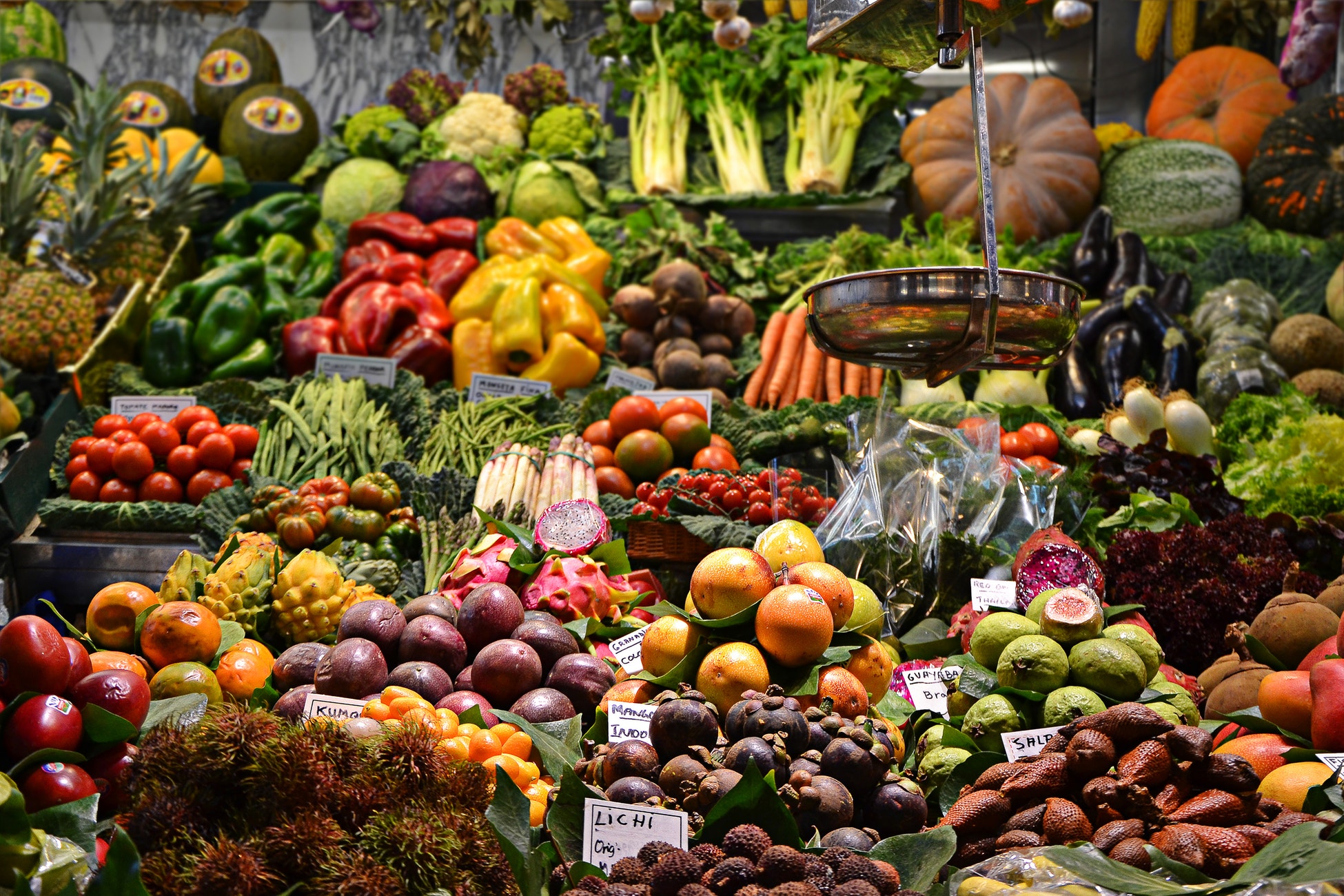
Sustainable eating isn’t about perfection or following food trends. It’s about practical, repeatable decisions that reduce environmental harm while still fitting real lifestyles. When scaled across millions of households, small food choices can significantly cut emissions, conserve water, and protect ecosystems.
This article focuses on what actually works, not what sounds good on paper.
Why Food Choices Matter More Than You Think
Food systems account for a substantial share of global greenhouse gas emissions, land use, freshwater consumption, and biodiversity loss. The biggest drivers are animal agriculture, food waste, and long supply chains.
The good news? These are also areas where individual choices have measurable impact.
Shift Toward Plant-Forward Eating (Not Perfection)
You don’t need to go fully vegan to make a difference. Even modest reductions in animal-based foods—especially red meat—can significantly lower your environmental footprint.
Why plant-forward works:
-
Requires less land and water
-
Produces fewer emissions per calorie
-
Reduces pressure on deforestation and feed crops
High-impact swaps:
-
Replace beef meals with beans, lentils, or chickpeas
-
Try plant-based meals 2–3 days a week
-
Use vegetables as the main dish, not just a side
Consistency matters more than strict rules.
Choose Seasonal and Locally Grown Foods
Food that travels less usually consumes less fuel and refrigeration energy. Seasonal produce also tends to be fresher, cheaper, and more nutrient-dense.
Smarter buying habits:
-
Shop at farmers’ markets or local co-ops
-
Learn what grows naturally in your region each season
-
Avoid out-of-season produce shipped long distances
Eating seasonally reconnects diets with natural growing cycles—something industrial food systems often ignore.
Reduce Food Waste at Home
Food waste is one of the most overlooked sustainability issues. When food is thrown away, all the resources used to grow, transport, and package it are wasted too.
Effective waste-reduction strategies:
-
Plan meals before shopping
-
Store food properly to extend freshness
-
Use leftovers creatively instead of discarding them
-
Freeze surplus food before it spoils
Reducing waste often saves money immediately, making this one of the easiest habits to maintain.
Support Sustainably Sourced Proteins
Not all animal products have equal impact. If you do eat meat, eggs, or seafood, how they’re produced matters.
Better protein choices:
-
Sustainably sourced fish and seafood
-
Pasture-raised eggs
-
Smaller portions of higher-quality meat
Avoiding overconsumption is more important than chasing specialty labels.
Pay Attention to Packaging and Processing
Ultra-processed foods often rely on heavy packaging and energy-intensive manufacturing. While convenience matters, balance is key.
Lower-impact options:
-
Buy whole foods in bulk when possible
-
Choose minimal or recyclable packaging
-
Cook simple meals from basic ingredients
Less processing usually means fewer hidden environmental costs.
Make Sustainability a Habit, Not a Burden
Sustainable eating sticks when it’s realistic. The most impactful changes are the ones you’ll repeat week after week.
Focus on:
-
Progress over perfection
-
One habit change at a time
-
Flexibility based on budget and access
Sustainability isn’t about guilt—it’s about informed choices.
Frequently Asked Questions
What is the single most impactful sustainable food choice?
Reducing red meat consumption, even partially, has one of the largest environmental benefits.
Are organic foods always more sustainable?
Not necessarily. Organic farming reduces chemical use, but factors like transportation, water use, and yield efficiency also matter.
Does eating local always reduce carbon emissions?
Usually, but not always. Production methods can sometimes outweigh transportation distance.
Is plant-based food automatically sustainable?
No. Highly processed plant foods or imported products can still have a large environmental footprint.
How can sustainable eating fit a tight budget?
Focus on affordable staples like beans, rice, seasonal vegetables, and reducing food waste.
Does sustainable food mean giving up convenience?
Not entirely. Meal prepping, frozen vegetables, and simple recipes can balance sustainability with time constraints.
How long does it take to see an impact from changing food habits?
Environmental impact accumulates over time, but reduced waste and lower food costs can be noticeable within weeks.