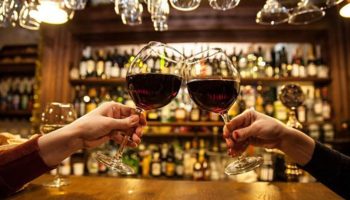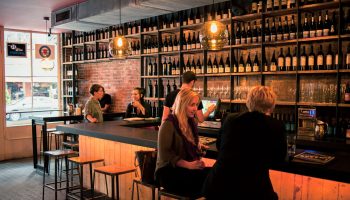
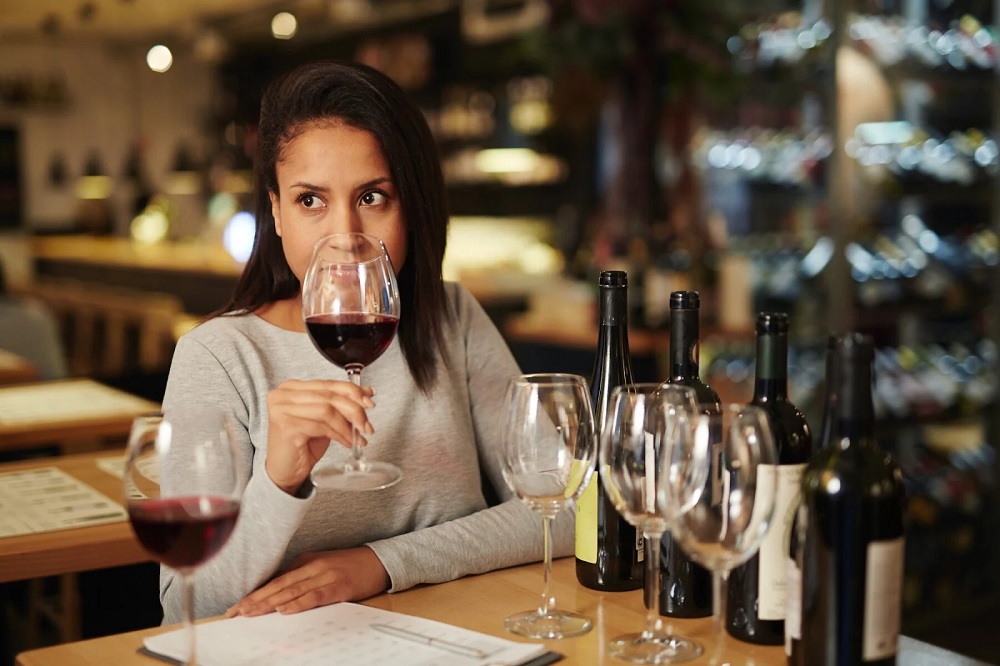
The world of bar & wine is more than just drinks in glasses—it’s a blend of history, craftsmanship, social culture, and evolving tastes. From neighborhood wine bars to upscale cocktail lounges, bars centered on wine and spirits play a major role in how people relax, celebrate, and connect. This guide explores what defines bar and wine culture, how it has evolved, and what makes a great experience stand out.
Understanding Bar & Wine Culture
At its core, bar & wine culture revolves around hospitality and shared experiences. While traditional bars focus on spirits, beer, and cocktails, wine bars emphasize curated wine selections, tasting experiences, and food pairings. Many modern venues blend both concepts, offering the best of each world.
What Defines a Wine-Focused Bar?
A wine-focused bar typically features:
-
A curated wine list with regional or thematic selections
-
Knowledgeable staff trained in wine service and tasting notes
-
Small plates or menus designed for wine pairing
-
A relaxed, intimate atmosphere encouraging conversation
These spaces appeal to both casual drinkers and serious wine enthusiasts.
The Evolution of Bars and Wine Spaces
Bars and wine venues have changed significantly over time. What once centered on simple consumption now prioritizes experience, education, and quality.
Key Shifts in the Industry
-
From quantity to quality: Fewer drinks, better ingredients
-
Rise of boutique wines: Small producers and natural wines gaining popularity
-
Experience-driven design: Ambience, lighting, and music matter more than ever
-
Education-focused service: Tastings, wine flights, and staff storytelling
This evolution reflects changing consumer preferences toward authenticity and craftsmanship.
Wine Selection: What Makes a Great List
A strong wine program balances variety, accessibility, and depth. The goal isn’t just to impress—it’s to guide guests toward wines they’ll genuinely enjoy.
Elements of a Well-Built Wine List
-
Diverse regions: Old World and New World wines
-
Range of styles: Red, white, rosé, sparkling, and dessert wines
-
Multiple price points: Options for casual visits and special occasions
-
Clear descriptions: Flavor profiles instead of technical jargon
Well-designed lists help guests feel confident, not overwhelmed.
The Role of Bars in Modern Social Life
Bars—especially wine-centric ones—play a unique role in social settings. They act as meeting points, celebration spaces, and even informal networking hubs.
Why People Choose Wine Bars
-
Quieter environments compared to nightclubs
-
Ideal settings for dates, small gatherings, and business chats
-
A sense of sophistication without being intimidating
-
Opportunities to discover new wines in a guided way
This balance makes wine bars appealing across age groups and lifestyles.
Pairing Wine with Food in Bar Settings
Food and wine pairing isn’t just for fine dining. In bar environments, it’s about enhancing flavors without overcomplicating the experience.
Common Pairing Principles
-
Acidity cuts richness: Great with cheeses and creamy dishes
-
Sweet balances spice: Ideal for spicy small plates
-
Tannins love protein: Red wines pair well with meats
-
Light with light: Delicate wines work best with subtle flavors
Even simple pairings can elevate the overall experience when done thoughtfully.
Atmosphere and Design in Bar & Wine Spaces
Design plays a critical role in how guests perceive a bar or wine venue. A well-designed space encourages people to stay longer and return often.
Popular Design Elements
-
Warm lighting and natural materials
-
Visible wine displays or cellars
-
Comfortable seating arrangements
-
Open bars that invite interaction with staff
The goal is comfort, not formality—inviting rather than exclusive.
Responsible Enjoyment and Wine Education
Modern bar & wine culture also emphasizes responsible consumption. Education helps guests appreciate flavors, origins, and techniques without excess.
How Wine Education Adds Value
-
Encourages mindful drinking
-
Builds appreciation for craftsmanship
-
Helps guests make informed choices
-
Enhances long-term loyalty to venues
Knowledge turns a drink into an experience.
FAQs About Bar & Wine
1. What is the difference between a wine bar and a regular bar?
A wine bar focuses primarily on wine selection and pairing, while regular bars emphasize cocktails, beer, and spirits.
2. Do wine bars only serve expensive wines?
No. Most wine bars offer a range of price points, including affordable glasses and flights for casual drinkers.
3. What should beginners order at a wine bar?
Beginners can start with wine flights or ask staff for recommendations based on flavor preferences.
4. Is food necessary when drinking wine at a bar?
Food isn’t required, but small plates enhance flavor and balance alcohol absorption.
5. Are wine bars suitable for social gatherings?
Yes. Wine bars are ideal for dates, small group meetups, and relaxed professional conversations.
6. How do bars store wine properly?
Quality bars use temperature-controlled storage, proper humidity, and minimal light exposure.
7. Can bars help customers learn about wine?
Absolutely. Many offer tastings, guided recommendations, and educational events to build wine knowledge.